

EU pitches Brazil a ‘more beneficial’ rare earths deal than US or China
Summarized and contextualized by DistantNews.
At a glance
News
Named sources
Context piece
- The European Union is proposing a critical minerals partnership with Brazil, aiming to offer more benefits than deals with the US or China.
- The EU's proposal emphasizes domestic refining and technology investment, aligning with Brazil's goal to export processed minerals, not just raw ore.
- Brazil holds the second-largest rare earth reserves and insists on local processing as a condition for foreign access, a stance President Lula da Silva has framed as national sovereignty.
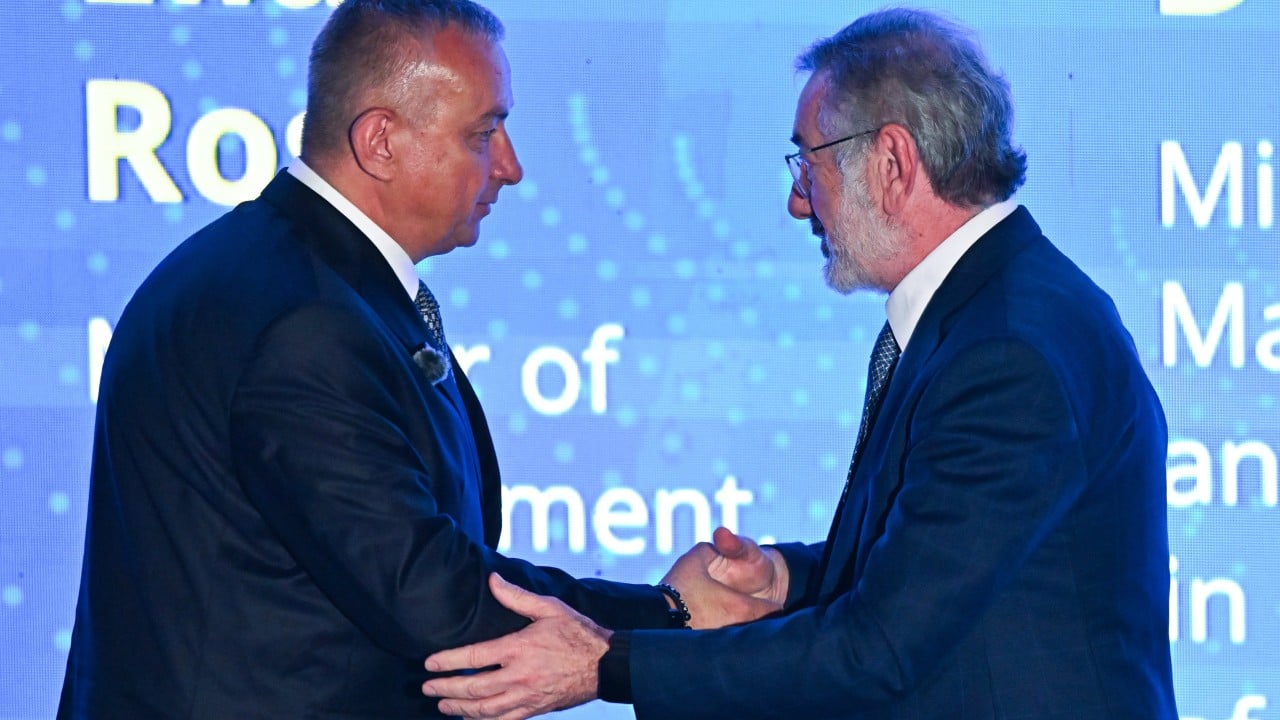
The European Union is actively seeking to secure its supply of critical minerals by offering Brazil a partnership it claims is more advantageous than those proposed by the United States or China. Jozef Sikela, the EU's commissioner for international partnerships, highlighted this during a visit to Brazil, emphasizing Brussels' goal to reduce its reliance on Chinese supply chains.
It is extremely important that Brazil also moves beyond low-margin business, that value is created here in the country.
Sikela visited a rare earth research and processing center in Pocos de Caldas, Minas Gerais, one of four projects selected for accelerated EU-Brazil cooperation. He argued that the EU's approach prioritizes sustainable business practices and the local processing of rare earths. This aligns with the Brazilian government's objective to move beyond exporting low-margin raw ore and instead create value through domestic refining and advanced processing.
The European approach was an advantage, he argued, because it prioritised business sustainability and the local processing of rare earths, aligning with a Brazilian government push to export processed minerals rather than raw ore.
Brazil possesses the world's second-largest reserves of rare earth elements. President Luiz Inacio Lula da Silva has made domestic processing a prerequisite for foreign companies seeking to access these deposits. He previously stated that Brazil's reserves are open to any nation willing to mine, separate, and process the minerals on Brazilian soil, framing this policy as a matter of national sovereignty. The EU's offer includes potential offtake agreements while supporting Brazil's development of its own refining capacity, aiming for higher value creation within the country.
The bloc could cover its needs through offtake agreements, while Brazil built its own refining capacity and moved up the supply chain towards higher margins.
DistantNews Editorial
Originally published by South China Morning Post. Summarized and contextualized by our editorial team with added local perspective. Read our editorial standards.
More Stories

From Our Blog

Countries Without a Free Press: What You Need to Know

What Press Freedom Means for the News You Read

What Gets Lost (and Found) When News Is Translated

The Critical Role of Diaspora Media in Global News

What Travellers Should Know About Countries with Restricted Press
