

EU Proposes Historic Cuts to Colorado River Water Use; 40 Million Americans and 2 Mexican States Depend on It
Translated from Spanish, summarized and contextualized by DistantNews.
At a glance
News
Sources not specified
New plan
- The U.S. government has proposed historic cuts to the water usage from the Colorado River.
- The plan requires California, Nevada, and Arizona to drastically reduce consumption by up to 3.7 billion cubic meters annually.
- This reduction represents up to 40% of their combined allocations and impacts communities reliant on the river for agriculture and drinking water.
The U.S. government has unveiled a plan mandating significant reductions in water consumption from the Colorado River, a vital resource for 40 million people in the United States and two Mexican states. The proposal targets California, Nevada, and Arizona, requiring them to drastically cut their water usage over the next decade.
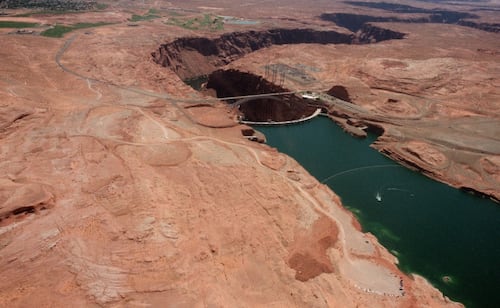
The Bureau of Reclamation, part of the Department of the Interior, presented the final proposal for managing the Glen Canyon and Hoover dams, which feed the river and are at historic low levels. The plan calls for a reduction of up to 3.7 billion cubic meters annually for the three downstream states. This figure amounts to as much as 40% of their combined water allocations, significantly impacting agricultural communities that rely heavily on this supply.
The plan allows in part to settle the dispute and ensure that the Colorado River system remains reliable and resilient for the communities and industries that depend on it.
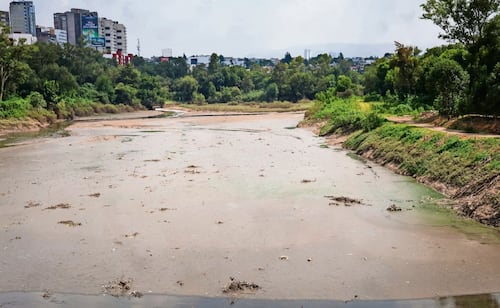
Currently, the upper basin states, Colorado, Utah, New Mexico, and Wyoming, are exempt from these proposed cuts. The Colorado River system provides water and electricity to over 40 million people in the western U.S., but its largest reservoirs, Lake Mead and Lake Powell, have reached critically low levels due to drought intensified by climate change. The proposal aims to resolve years of disputes among the seven states and indigenous tribes over water usage and to ensure the river system remains reliable and resilient.
Interior Secretary Doug Burgum stated the proposal offers flexibility to adapt to changing hydrological conditions while allowing states to continue working toward consensus-based, lasting solutions. The plan acknowledges the difficulty of establishing new rules given the "drought conditions of the last 25 years" and the likelihood of persistent precipitation scarcity. The U.S. government noted that combined water storage in Lake Powell has not been this low since before the dam's filling began in 1963, and water consumption has exceeded inflow in most years since 2000.
The drought conditions of the last 25 years and the probability that precipitation scarcity will persist have made it particularly difficult to develop new rules.
DistantNews Editorial
Originally published by El Universal in Spanish. Translated, summarized, and contextualized by our editorial team with added local perspective. Read our editorial standards.
More Stories

From Our Blog

What Press Freedom Means for the News You Read

What Gets Lost (and Found) When News Is Translated

The Critical Role of Diaspora Media in Global News

What Travellers Should Know About Countries with Restricted Press

A Digital Nomad's Guide to Following Local News
