

EU puts seasonality and forced labor on T-MEC negotiation agenda; part of agricultural talks with Mexico
Translated from Spanish, summarized and contextualized by DistantNews.
At a glance
News
Sources not specified
Context piece
- The EU has introduced seasonality and forced labor into T-MEC trade negotiations with Mexico.
- These issues are part of the agricultural agenda discussions between Mexico and the United States.
- The review agenda also covers sanitary measures, customs facilitation, and grain trade.
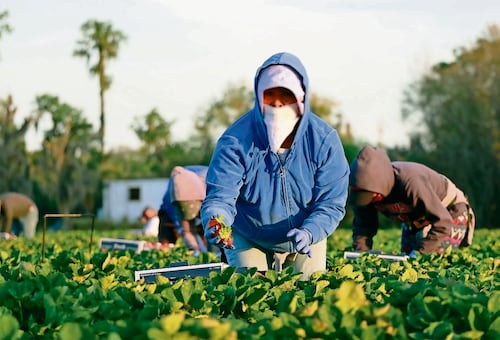
The European Union has brought the contentious issues of seasonality and forced labor to the negotiation table for the T-MEC (USMCA) trade agreement with Mexico. These critical points are now central to the agricultural agenda being discussed between Mexico and the United States. The inclusion of seasonality addresses concerns about how agricultural imports affect domestic producers at different times of the year, potentially impacting market access and pricing for Mexican goods. The focus on forced labor highlights international pressure on Mexico to ensure ethical labor practices throughout its agricultural supply chains. Beyond these key issues, the ongoing review of the T-MEC also encompasses other vital areas. These include sanitary and phytosanitary measures, aimed at ensuring food safety and preventing the spread of pests and diseases. Furthermore, discussions involve customs facilitation to streamline cross-border trade and the trade of grains, a significant commodity in North American commerce. This multi-faceted negotiation reflects a broader effort to modernize and address contemporary challenges within the trade framework.
DistantNews Editorial
Originally published by El Universal in Spanish. Translated, summarized, and contextualized by our editorial team with added local perspective. Read our editorial standards.
More Stories
From Our Blog

What Press Freedom Means for the News You Read

What Gets Lost (and Found) When News Is Translated

The Critical Role of Diaspora Media in Global News

What Travellers Should Know About Countries with Restricted Press

A Digital Nomad's Guide to Following Local News
