

EU sees no jet fuel shortage despite Iran conflict, but prices rise
Translated from Romanian, summarized and contextualized by DistantNews.
At a glance
News
Named sources
Context piece
- The EU is not facing a shortage of jet fuel despite disruptions from the conflict in Iran, according to the European Commissioner for Transport.
- High prices are prompting airlines to reduce unprofitable routes, with potential fare increases later in the year or next.
- The Commissioner stressed the need for the conflict to end and the Strait of Hormuz to reopen, noting the EU has emergency reserves.
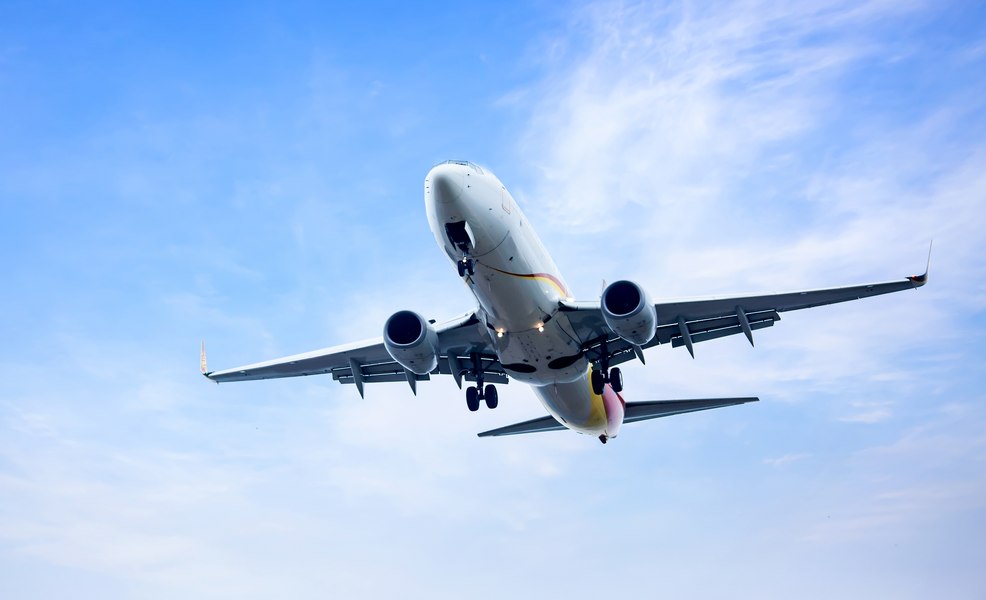
The European Union is not currently experiencing a shortage of jet fuel, and there are no signs of a future deficit, stated the European Commissioner for Transport, Apostolos Tzitzikostas. This assessment comes despite energy market disruptions stemming from the conflict in Iran, which has impacted oil supply through the Strait of Hormuz.
In the current moment, there is no shortage of jet fuel in Europe. There are no signs that we could have a shortage in the coming period.
While the EU has largely managed the supply deficit, with Middle Eastern kerosene accounting for about 20% of its imports and supplies from the U.S. and Nigeria filling the gap, the primary concern remains the escalating price of jet fuel. The International Air Transport Association estimates that jet fuel constitutes 25-30% of airlines' operating costs. Consequently, some airlines are cutting unprofitable routes, a trend Tzitzikostas noted could lead to fare increases for passengers later this year or in 2025 as hedging strategies expire.
Tzitzikostas described the situation as potentially becoming "very difficult" by the end of the year if Middle Eastern supplies remain disrupted. Analysts anticipate oil prices to hover around $90 per barrel this year, a significant increase from February. He emphasized the critical need for the conflict to cease and the Strait of Hormuz to reopen, assuring that the EU is prepared with emergency reserves in member states, which the European executive would coordinate if necessary.
This is why we see some airlines choosing to cancel certain routes that did not make economic sense.
Diplomatic sources suggest that any agreement reached soon would likely be temporary, with Iran retaining control of the Strait of Hormuz. Beyond aviation, a prolonged conflict poses risks to the global economy, with the OECD warning of a potential slowdown in economic growth.
It is essential that the war stops and that the Strait of Hormuz is reopened, and this must happen as soon as possible... We must always keep in mind that Europe is prepared. We have emergency reserves in the member states.
DistantNews Editorial
Originally published by Adevărul in Romanian. Translated, summarized, and contextualized by our editorial team with added local perspective. Read our editorial standards.
More Stories

From Our Blog

What Gets Lost (and Found) When News Is Translated

The Critical Role of Diaspora Media in Global News

What Travellers Should Know About Countries with Restricted Press

A Digital Nomad's Guide to Following Local News

How the Same Story Looks Different in Different Countries
