


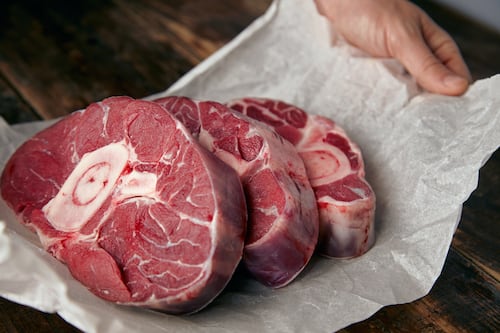
 Image: Freepik
EU suspends Brazilian meat imports, demanding sanitary guarantees
Translated from Spanish and summarized by DistantNews. Read the original for the full story.
At a glance
News
Official statement
Ongoing story
- The European Union will suspend imports of Brazilian beef, poultry, eggs and honey from Thursday, the European Commission said.
- Brussels said Brazil had not provided sufficient guarantees on compliance with EU rules on antibiotic use in livestock production.
- An audit of poultry and honey could allow imports to resume within weeks, while beef may face a longer timetable.
The European Union is suspending imports of Brazilian beef, poultry, eggs and honey after Brussels said Brazil had failed to provide sufficient guarantees on sanitary rules.
The European Commission said Brazil was removed in May from a list of countries considered compliant with EU rules on intensive antibiotic use in livestock production. The decision came amid pressure from the sector following the signing of the EU-Mercosur free-trade agreement.
A Commission spokesperson said, "Brazil is an important partner of the EU and we are working closely, constructively and positively, with the Brazilian authorities to ensure that they meet these requirements. Once compliance has been demonstrated, exports to the EU can resume."
The suspension has no announced end date. An audit covering poultry and honey is due to conclude on Friday. If EU countries consider its results satisfactory, imports in those sectors could be authorized again within the following weeks.
Beef may take longer to return. The Commission said the date when Brazil can certify compliance varies by sector because production cycles differ among animal species. The measures form part of the EU’s effort to combat antimicrobial resistance by limiting unnecessary antibiotic use.
The EU-Mercosur agreement, involving Argentina, Brazil, Paraguay and Uruguay, was signed in January and provisionally entered into force on May 1.
Brazil is an important partner of the EU and we are working closely, constructively and positively, with the Brazilian authorities to ensure that they meet these requirements. Once compliance has been demonstrated, exports to the EU can resume.
About this summary
Originally published by El Universal in Spanish. Translated, summarized, and contextualized automatically by DistantNews, with a note on how the source frames the story. Not individually reviewed before publishing. How this works.
More Stories

From Our Blog

What Press Freedom Means for the News You Read

What Gets Lost (and Found) When News Is Translated

The Critical Role of Diaspora Media in Global News

What Travellers Should Know About Countries with Restricted Press

A Digital Nomad's Guide to Following Local News
