


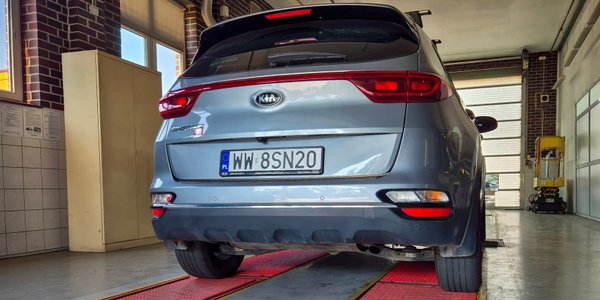
EU Tightens Vehicle Inspections to Catch 'Mines on Wheels'
Translated from Polish, summarized and contextualized by DistantNews.
At a glance
News
Documents & data
New plan
- The EU is introducing stricter vehicle technical inspection rules to combat issues like tampered mileage, faulty brakes, and removed diesel particulate filters.
- A central database will link diagnostic stations across countries to improve mileage control and prevent the registration of previously scrapped vehicles.
- Poland's vehicle inspection system faces scrutiny due to a significantly lower rate of failed inspections compared to Germany, raising questions about its effectiveness.
The European Union is set to overhaul vehicle technical inspection rules, aiming to tighten controls and eliminate fraudulent practices that plague the current system. New regulations will target issues such as cars with removed diesel particulate filters, malfunctioning brakes, and manipulated odometers. The reforms also seek to prevent the re-registration of vehicles previously declared as scrap.
A key component of the new rules is the establishment of a central database for technical inspections. This system will connect diagnostic stations across multiple countries, making it significantly harder to tamper with vehicle odometers. For Poland, a major importer of used cars, this is particularly relevant, as a quarter of imported vehicles, and even half of premium brands, are estimated to have had their mileage rolled back. The system will also leverage On-Board Fuel Consumption Monitoring (OBFCM) data, which records fuel or energy consumption, average speed, and distance traveled.
Concerns are being raised about the effectiveness of Poland's current inspection system. Official data shows an extremely low failure rate for technical inspections, with only 450,000 out of 21.8 million inspections resulting in a negative outcome in 2025. This starkly contrasts with Germany, where a TÜV report indicated that 21.5% of vehicles failed inspections due to serious or dangerous defects.
Further questioning the reliability of Polish inspections is the average age of vehicles. While the average age of cars in Germany was 10.6 years at the end of 2024, Poland's average was 15.2 years. The upcoming EU regulations are expected to be felt more acutely in Poland than in Western European countries, potentially leading to a more rigorous and transparent inspection process.
DistantNews Editorial
Originally published by Rzeczpospolita in Polish. Translated, summarized, and contextualized by our editorial team with added local perspective. Read our editorial standards.
More Stories



From Our Blog

What Gets Lost (and Found) When News Is Translated

The Critical Role of Diaspora Media in Global News

What Travellers Should Know About Countries with Restricted Press

A Digital Nomad's Guide to Following Local News

How the Same Story Looks Different in Different Countries
