


EU Warships Authorized to Detain Russian Oil Tankers in Mediterranean
Translated from Romanian, summarized and contextualized by DistantNews.
At a glance
News
From a news agency
New plan
- EU warships in the Mediterranean are authorized to detain foreign oil tankers suspected of carrying Russian oil.
- The measure is part of the EU's Operation IRINI, which previously focused on preventing arms smuggling to Libya.
- Russia has condemned the actions as "piracy" and a violation of international law, while increasing its own naval escorts for commercial vessels.
European Union warships operating in the Mediterranean have been granted new authority to detain foreign oil tankers suspected of transporting Russian oil, a significant escalation in enforcing sanctions against Moscow. Kaja Kallas, the head of the EU's diplomatic service, announced the change in rules of engagement for the EU naval force's Operation IRINI.
"Our Operation IRINI has modified its rules of engagement and will now start detaining ships," Kallas stated upon arriving at a meeting of EU defense ministers. She explained that the operation would adopt "best practices from different countries in Europe." Launched in 2020, Operation IRINI initially aimed to inspect commercial vessels to prevent illegal arms shipments to Libya.
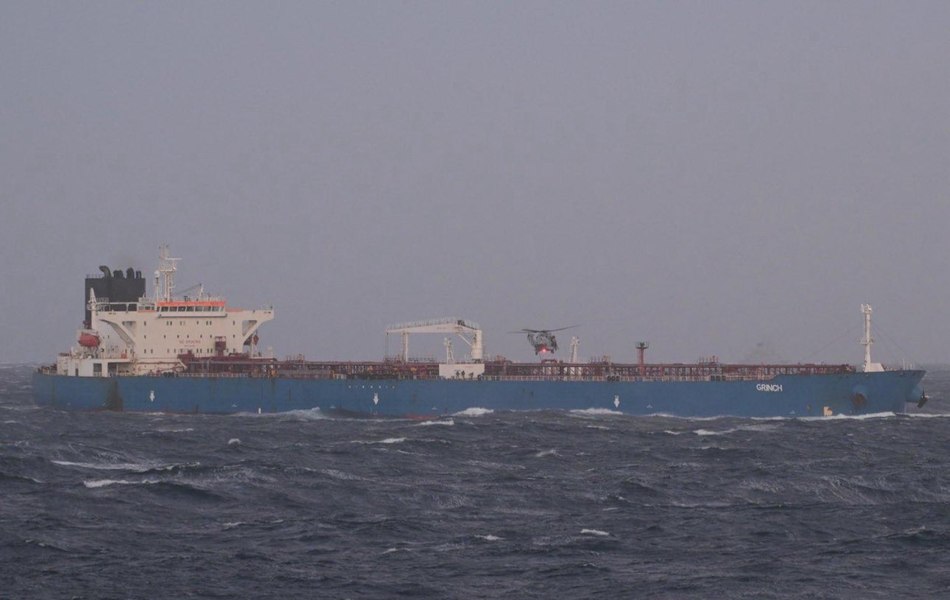
This move comes after EU member states adopted a 20th sanctions package earlier this year, which included a basis for banning maritime transport services for Russian oil products. This prohibition is being implemented in coordination with the G7. EU naval forces, supported by intelligence from Britain, are using elite troops deployed by helicopter to board and seize suspect vessels. The targets are oil tankers sanctioned by the EU, US, or UK, which often use deceptive flags from countries like Comoros or Mozambique and opaque ownership structures to move Russian crude.
Operațiunea noastră IRINI a modificat regulile de angajament și va începe acum să rețină nave. Ideea este de a utiliza cele mai bune practici din diferite țări din Europa.
Recent interceptions include the MT Grinch, an internationally sanctioned tanker, which was intercepted in the western Mediterranean and diverted for investigation. Similarly, the Deyna tanker, suspected of using a false flag while sailing from Murmansk, was detained. These actions reflect a shift by the EU from diplomatic and financial sanctions to more direct physical measures on maritime routes, partly driven by pressure from Ukraine and its Western allies.
Russia has denounced these detentions as "acts of piracy" and a blatant violation of the international law governing freedom of navigation. In response, Moscow has begun occasionally escorting its commercial and oil tankers with its own warships and submarines in European waters to deter confiscations. Concerns have also been raised about the safety of aging, poorly maintained "shadow fleet" tankers, especially after incidents like the Russian tanker Arctic Metagaz drifting in the Mediterranean following explosions, highlighting the potential for environmental catastrophe near Europe's shores.
Moscova a catalogat aceste acțiuni drept „acte de piraterie” și o încălcare flagrantă a dreptului internațional privind libertatea de navigație.
DistantNews Editorial
Originally published by Adevărul in Romanian. Translated, summarized, and contextualized by our editorial team with added local perspective. Read our editorial standards.
More Stories



From Our Blog

What Gets Lost (and Found) When News Is Translated

The Critical Role of Diaspora Media in Global News

What Travellers Should Know About Countries with Restricted Press

A Digital Nomad's Guide to Following Local News

How the Same Story Looks Different in Different Countries
