


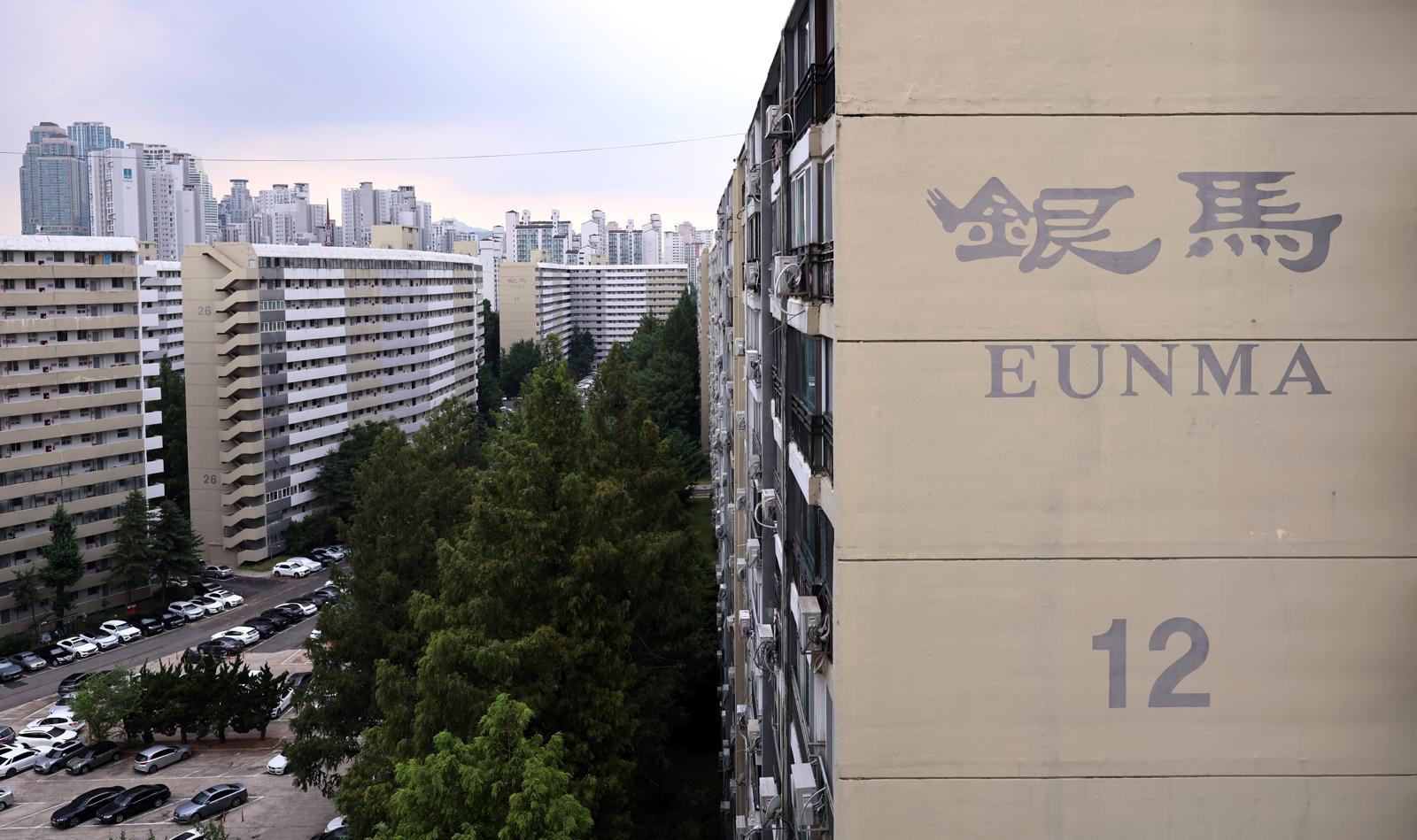
Eumma Apartment Tenants' Relocation Sparks Legal Battles, Housing Concerns
Translated from Korean, summarized and contextualized by DistantNews.
At a glance
News
Sources not specified
Ongoing story
- South Korea's Eumma Apartment in Seoul plans to begin resident relocation in the first half of next year, affecting approximately 3,100 tenant households.
- The redevelopment association intends to file lawsuits against all tenants for eviction, citing potential delays and increased costs due to relocation resistance.
- Tenant advocates express concern over potential conflicts, as current laws do not provide separate compensation for relocation or moving expenses for tenants in redevelopment projects, potentially exacerbating housing market instability.
Residents of Seoul's Eumma Apartment, a 47-year-old complex in the affluent Daechi-dong neighborhood, are preparing for a major relocation in the first half of next year. The redevelopment association anticipates around 3,100 tenant households will move, but faces potential conflict as some residents are reportedly refusing to leave.
The association has notified tenants of the planned relocation, aiming to start in early 2025 and surveying their moving intentions by the end of this month. In parallel, the association plans to initiate eviction lawsuits and freeze orders against all tenants simultaneously with the relocation announcement. They intend to withdraw the suits for households that complete their move, but warn of potential claims for damages and unjust enrichment if relocation delays hinder demolition and construction.
This preemptive legal action aims to prevent delays and rising financial costs associated with tenant resistance. However, including all tenants in lawsuits, even those not actively refusing to move, could ignite further conflict. Tenants may find themselves embroiled in legal battles despite having plans to relocate. Compounding their difficulties, current South Korean law offers no specific financial compensation or moving assistance for tenants involved in redevelopment projects, forcing them to vacate without financial support.
The impending relocation is also expected to intensify the rental market in the area. With tenants comprising about 70% of Eumma Apartment's 4,424 units, many of whom may own other properties and rent in Daechi-dong for its prestigious school district, their move could trigger a chain reaction. If these homeowners return to their own properties, their existing tenants will then need to find new housing, potentially creating a ripple effect of displacement.
This situation mirrors broader trends in Seoul, where an estimated 83,630 households are slated for relocation due to redevelopment and reconstruction projects by 2028. Major complexes in the Gangnam area, including Jamsil Jugong 5 Complex, are also facing upcoming relocations. The city's rental market is already showing signs of strain, with a 14.1% decrease in available apartments in October compared to the previous year and a 1.43% rise in rental prices in June, adding to concerns about housing availability and affordability.
DistantNews Editorial
Originally published by Dong-A Ilbo in Korean. Translated, summarized, and contextualized by our editorial team with added local perspective. Read our editorial standards.
More Stories


From Our Blog

What Gets Lost (and Found) When News Is Translated

The Critical Role of Diaspora Media in Global News

What Travellers Should Know About Countries with Restricted Press

A Digital Nomad's Guide to Following Local News

How the Same Story Looks Different in Different Countries
