

Europe braces for U.S. military drawdown, eyes own defense
Translated from Romanian, summarized and contextualized by DistantNews.
At a glance
News
Sources not specified
Context piece
- NATO leaders will discuss Europe's defense responsibilities as the U.S. potentially reduces its military role on the continent.
- Germany's defense minister acknowledges the need for Europe to transition to greater self-reliance.
- A wargame simulation highlighted challenges Germany would face leading defense efforts without guaranteed U.S. support.
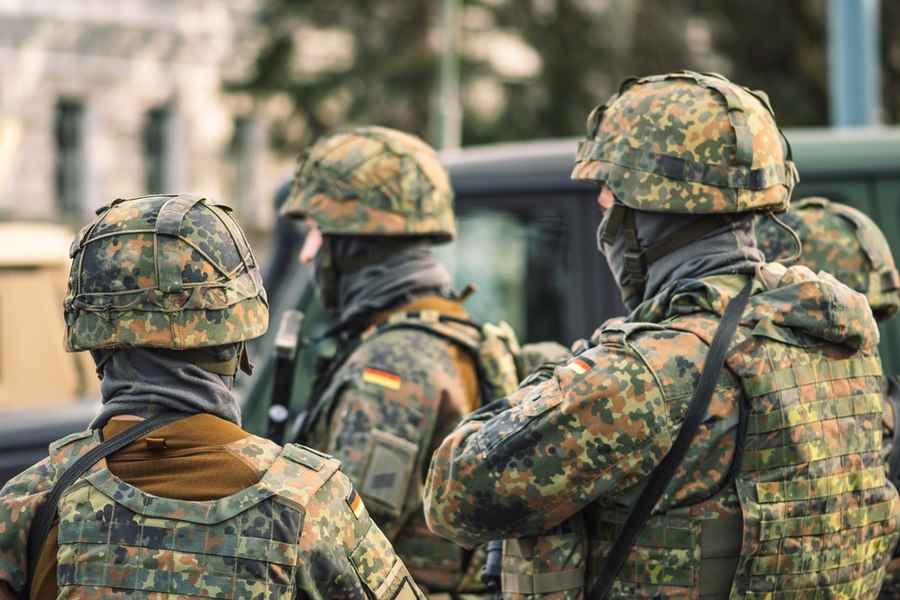
As NATO leaders convene, a pressing question looms: can Europe assume responsibility for its own defense as the United States scales back its military presence on the continent? German Defense Minister Boris Pistorius stated in June that "it is already happening," signaling Germany's readiness to "take responsibility."
Pistorius stressed the need for an "orderly transition," warning that "nobody, including the Americans, should have an interest in a disorderly withdrawal creating dangerous security gaps that cannot be compensated in time." While European nations are increasing defense budgets and military capabilities, many acknowledge that replacing essential U.S. assets will take time. A primary concern is the risk of a major security crisis before this transition is complete.
Earlier this year, a public simulation of an armed conflict explored this exact issue, focusing on Berlin's potential reaction to a Russian attack on Lithuania. As Europe's largest economy and a key NATO logistics hub for the eastern flank, Germany would be expected to play a central role. The wargame, developed by WELT in collaboration with the German Armed Forces University's Center for Wargaming, examined how Berlin would respond under pressure, its capacity to lead if U.S. support became uncertain, and the political or legal constraints guiding its decisions.
The simulation concluded with Russia achieving its immediate military objectives. Germany, meanwhile, appeared more focused on crisis management than altering the conflict's course, suggesting that the speed and nature of political decision-making pose the greatest challenge. A key variable in the simulation was the U.S. role, posited after a hypothetical ceasefire in Ukraine, with an American administration determined to avoid entanglement in a new European war. Washington, represented by former diplomat Jeff Rathke, initially refused to discuss activating NATO's collective defense clause after Russian troops entered Lithuania. The question of the speed and scope of U.S. involvement in a future European crisis has become increasingly urgent as Washington revises its military posture in Europe and plans to withdraw certain capabilities from NATO's force model.
DistantNews Editorial
Originally published by Adevărul in Romanian. Translated, summarized, and contextualized by our editorial team with added local perspective. Read our editorial standards.
More Stories
From Our Blog

What Gets Lost (and Found) When News Is Translated

The Critical Role of Diaspora Media in Global News

What Travellers Should Know About Countries with Restricted Press

A Digital Nomad's Guide to Following Local News

How the Same Story Looks Different in Different Countries
