


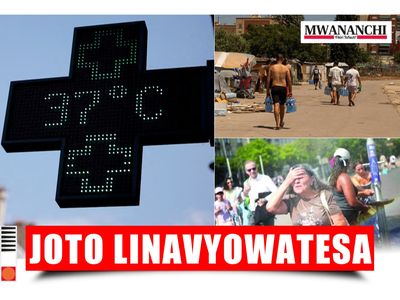
Europe heatwave claims 3,700 lives; Tanzania experiences unusual cold
Translated from Swahili, summarized and contextualized by DistantNews.
At a glance
News
Named sources
Context piece
- Europe is experiencing a severe heatwave, with over 3,700 deaths reported in nine days, primarily affecting individuals aged 65 and older.
- France has recorded over 2,000 heat-related deaths, prompting health authorities to issue increased warnings for vulnerable groups.
- Meanwhile, parts of Tanzania are experiencing unusually cold weather, a phenomenon experts attribute to the broader impacts of climate change on global weather patterns.
Europe is grappling with a deadly heatwave, which has claimed the lives of at least 3,700 people in just nine days, according to preliminary health and climate researcher analyses. The intense heat, with temperatures soaring above 40 degrees Celsius (104 Fahrenheit) in many Western European regions like France, Belgium, and the Netherlands between June 20 and 28, 2026, has disproportionately affected the elderly, with 80% of the fatalities involving individuals aged 65 and above.
France alone has reported over 2,000 deaths linked to the extreme heat. Hospitals and elder care facilities have seen a significant surge in patients suffering from heat-related illnesses. In response, the French government has elevated health alerts for at-risk populations, including the elderly, children, and those with chronic health conditions.
Health authorities acknowledge that these figures are initial estimates and expect the death toll to rise as more comprehensive assessments are completed. "The number of deaths will be higher than these initial figures indicate," stated a French Public Health authority representative.
In stark contrast to Europe's sweltering conditions, some regions in Tanzania are experiencing unseasonably cold weather. The Tanzania Meteorological Authority (TMA) reports that areas like Mbeya, Songwe, Njombe, Iringa, Rukwa, and Katavi, along with parts of Kilimanjaro, Arusha, and Manyara, are facing chilly conditions, particularly in the mornings and evenings. Experts explain that this localized cold snap does not contradict the global warming trend but rather illustrates how climate change is altering weather systems worldwide.
DistantNews Editorial
Originally published by Mwananchi in Swahili. Translated, summarized, and contextualized by our editorial team with added local perspective. Read our editorial standards.
More Stories



From Our Blog

What Gets Lost (and Found) When News Is Translated

The Critical Role of Diaspora Media in Global News

What Travellers Should Know About Countries with Restricted Press

A Digital Nomad's Guide to Following Local News

How the Same Story Looks Different in Different Countries
