


Europe Loses Out as Asia Faces Energy Crisis Fallout
Translated from Hungarian, summarized and contextualized by DistantNews.
At a glance
Analysis
Sources not specified
Context piece
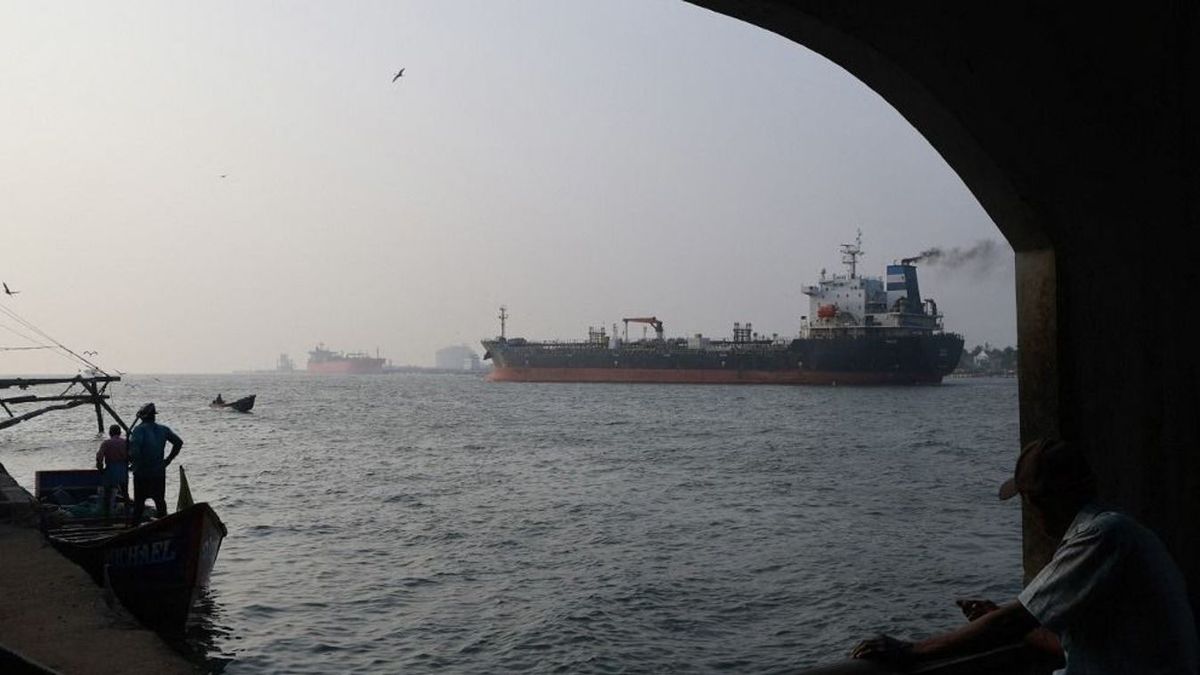
- Asia is the most vulnerable region to the prolonged energy crisis, with economies like Japan, South Korea, and India heavily reliant on imported hydrocarbons.
- High energy bills are straining trade balances, national currencies, and household purchasing power across Asia, while Middle Eastern oil exporters benefit from higher prices but face geopolitical instability.
- The crisis is accelerating a global trend toward energy diversification and regional trade agreements, with Gulf states intensifying efforts to reduce hydrocarbon dependence and invest in alternative trade corridors.
Asia faces the most significant vulnerability to the ongoing energy crisis, as key economies like Japan, South Korea, India, and various Southeast Asian importers remain heavily dependent on imported hydrocarbons. The crisis has amplified transmission mechanisms, including oil, LNG, trade logistics, and financial ripple effects, rather than diminishing them.
These nations are experiencing strained trade balances, pressure on their national currencies, and reduced household purchasing power due to escalating energy bills. India, despite its strong domestic demand and favorable demographics, faces a difficult balancing act. A sustained oil price of ninety dollars per barrel or higher would exacerbate inflation and fiscal pressure, potentially hindering its high growth rate.
Meanwhile, Middle Eastern oil-exporting states are benefiting from elevated prices but are simultaneously grappling with geopolitical instability and disrupted export routes. Monarchies in the Gulf, such as Saudi Arabia, the UAE, and Qatar, possess financial buffers to weather short-term price volatility. However, infrastructure damage, transport disruptions, and investment uncertainty impose significant costs, with full recovery of the region's energy logistics potentially taking years.
Iran stands out as a primary economic casualty, with sanctions, damaged infrastructure, and capital flight expected to burden its growth for years, even if hostilities subside. The broader economic consequence across the Middle East is an accelerated push for economic diversification. Gulf states are intensifying efforts to lessen their reliance on hydrocarbon exports while investing in alternative trade corridors and logistics networks. This strategic shift is a response to the series of unfounded Middle Eastern wars since the fall of 2023 that have impacted the region's modernization initiatives.
Latin America presents a mixed outlook. Commodity producers like Brazil benefit from higher agricultural and raw material prices, but this is partially offset by weaker global demand and tighter financial conditions. Mexico is indirectly exposed to slower U.S. growth and industrial demand, while Argentina exemplifies the vulnerability of heavily indebted economies. Higher energy costs and global financing pressures complicate stabilization efforts. Overall, countries with significant fuel import needs will repeatedly face inflationary pressures.
DistantNews Editorial
Originally published by Magyar Nemzet in Hungarian. Translated, summarized, and contextualized by our editorial team with added local perspective. Read our editorial standards.
More Stories

From Our Blog

Countries Without a Free Press: What You Need to Know

What Press Freedom Means for the News You Read

What Gets Lost (and Found) When News Is Translated

The Critical Role of Diaspora Media in Global News

What Travellers Should Know About Countries with Restricted Press
