


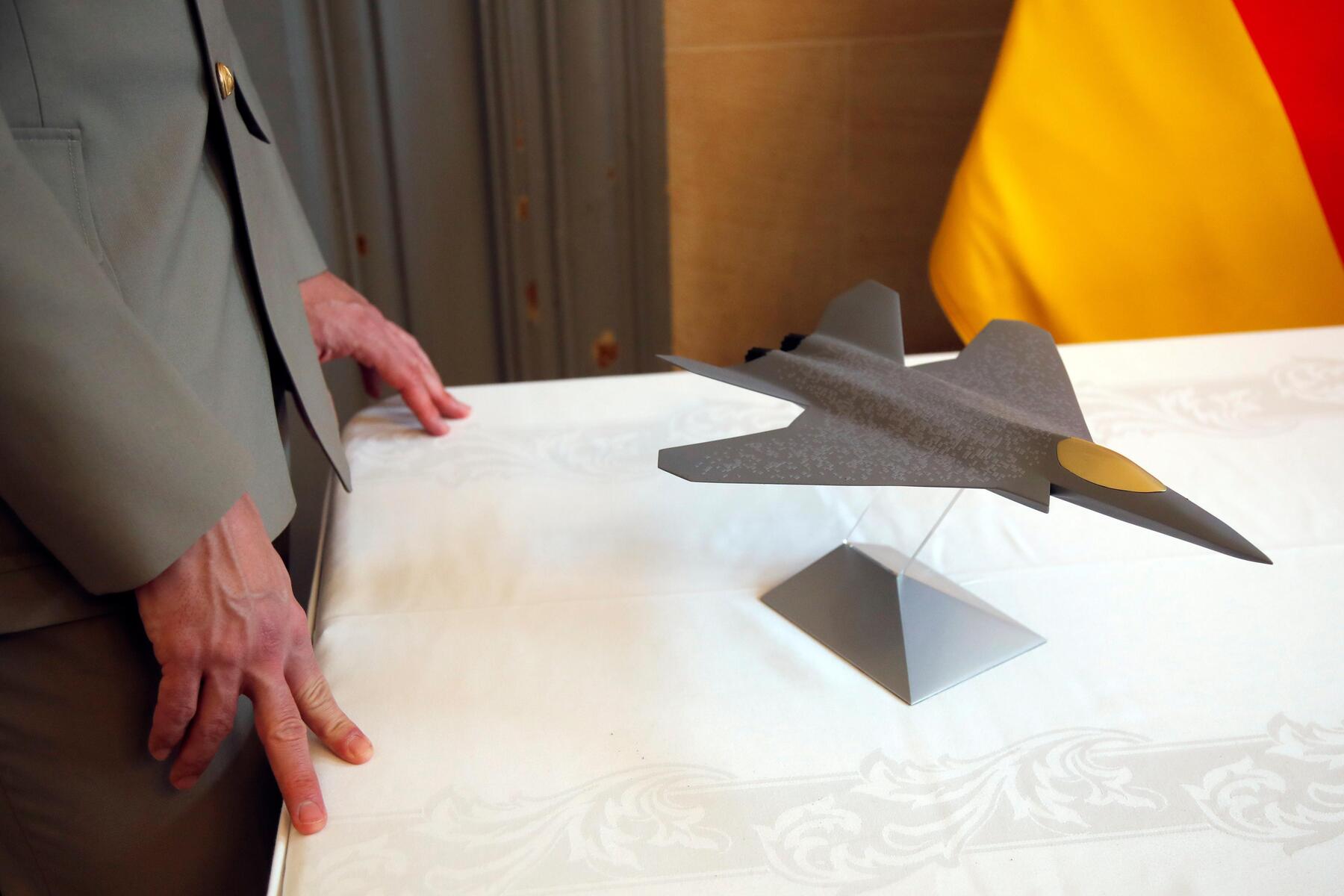
Europe's 100-billion-euro fighter jet project crashes amid Franco-German tensions
Translated from German, summarized and contextualized by DistantNews.
At a glance
News
Sources not specified
Outcome reported
- Europe's largest defense project, the Future Combat Air System (FCAS) involving France, Germany, and Spain, has officially failed after nine years.
- German Defense Minister Boris Pistorius cited tensions between French firm Dassault and German company Airbus Military as the primary reason for the project's collapse.
- The failure of the 100-billion-euro project, intended to reduce European reliance on the U.S., highlights structural issues and conflicting strategic cultures within the participating nations.
Europe's most ambitious defense initiative, the Future Combat Air System (FCAS), has been officially declared dead. The 100-billion-euro project, a joint venture between France, Germany, and Spain, failed to progress beyond its modeling phase after nine years of development.
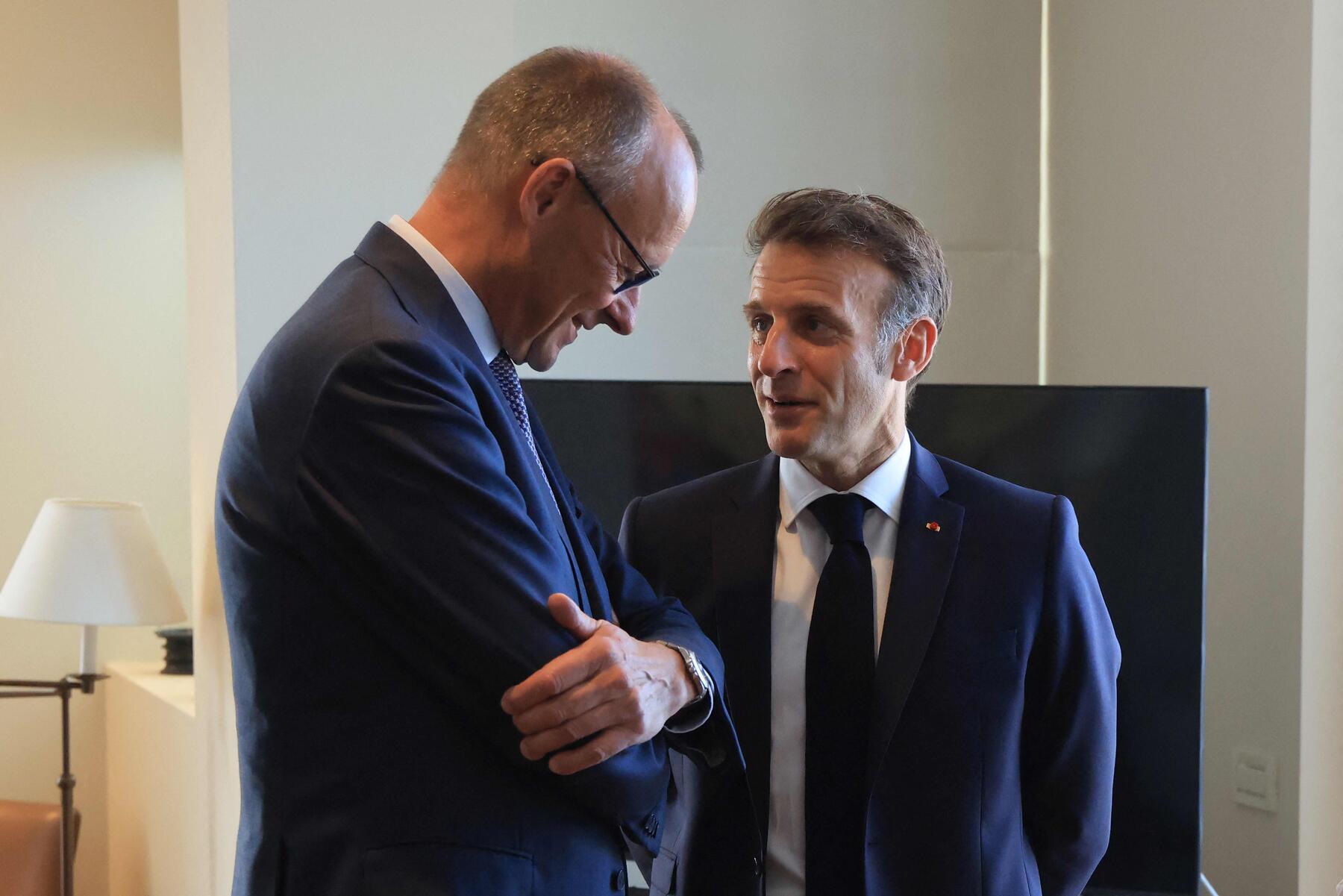
German Defense Minister Boris Pistorius announced the project's demise, attributing the failure to significant tensions between French aerospace giant Dassault and German firm Airbus Military. Despite intensive mediation efforts by political leaders, including German politicians Friedrich Merz and Pistorius himself, and French President Macron, the disputes proved insurmountable. The collapse occurred despite the heightened urgency for European defense cooperation following Russia's invasion of Ukraine and concerns about U.S. commitment to European security.
Mega future project that is doomed to succeed.
The failure of FCAS, once hailed as a "mega future project" by Pistorius, represents a symbolic setback for European defense integration. The project was seen as a crucial test of Europe's ability to collaborate on security matters, develop independent capabilities, and set aside national interests. The outcome, however, has been sobering, revealing deep-seated structural problems and clashing strategic cultures among the partners.
Disagreements extended to technical specifications and industrial ambitions. France pushed for a nuclear-capable fighter jet suitable for aircraft carriers, a capability Germany does not possess. Germany's defense priorities, particularly concerning the U.S. nuclear sharing arrangement, further complicated matters. Dassault, asserting its leadership and France's existing national fighter jet technology, insisted on not sharing proprietary knowledge, leading to German fears of being relegated to a mere supplier role. Financial considerations, industrial value creation, and job preservation also played significant roles in the project's unraveling.
The technologies and know-how that belong to us will not be shared.
DistantNews Editorial
Originally published by Die Presse in German. Translated, summarized, and contextualized by our editorial team with added local perspective. Read our editorial standards.
More Stories


From Our Blog

What Gets Lost (and Found) When News Is Translated

The Critical Role of Diaspora Media in Global News

What Travellers Should Know About Countries with Restricted Press

A Digital Nomad's Guide to Following Local News

How the Same Story Looks Different in Different Countries
