

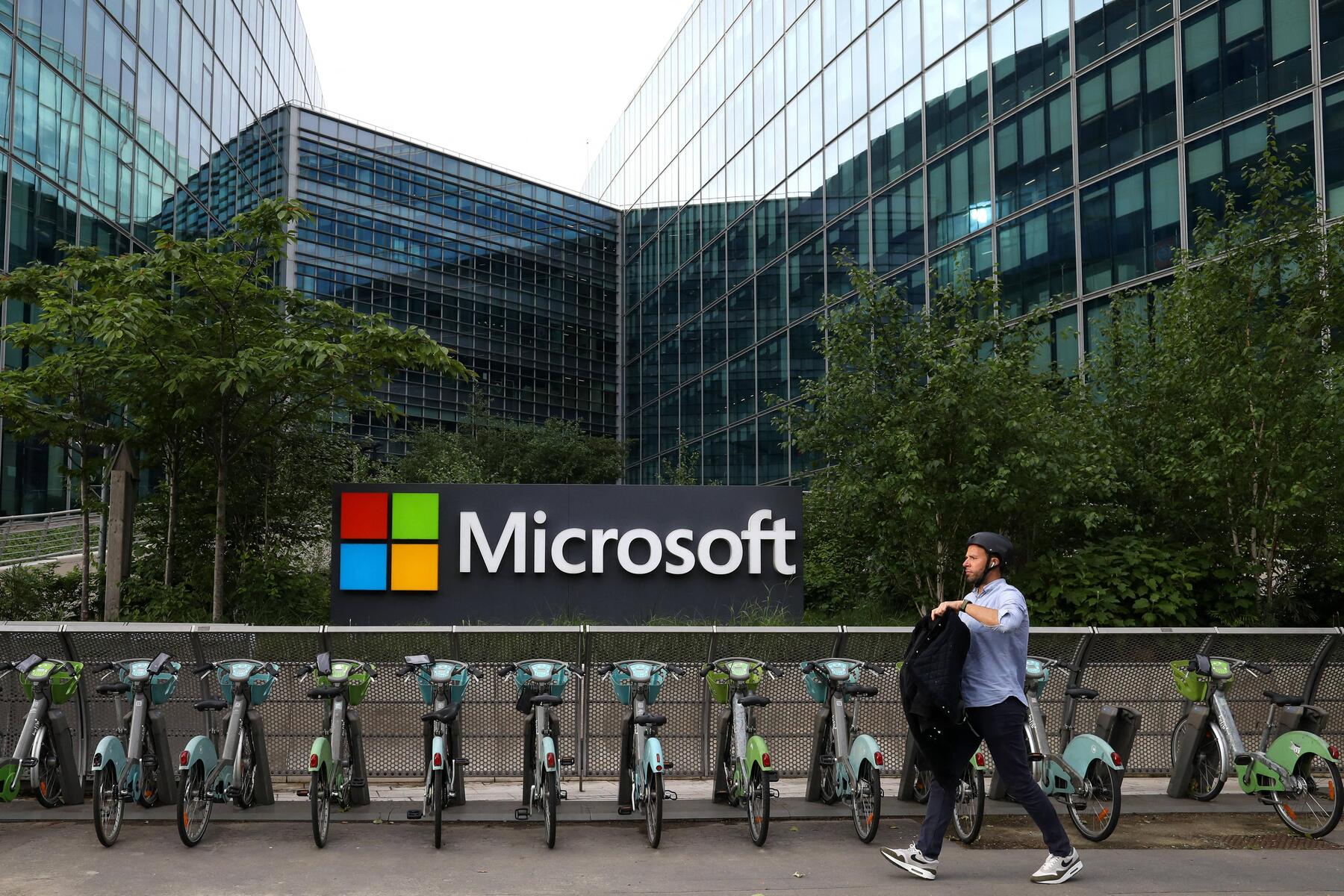

Europe's AI Sovereignty Questioned After U.S. Blocks Access to Advanced Models
Translated from German, summarized and contextualized by DistantNews.
At a glance
News
Sources not specified
Context piece
- The U.S. government temporarily blocked access to Anthropic's new AI models outside the U.S. to protect national security interests.
- The restriction, which lasted three weeks, highlighted Europe's deep reliance on U.S. digital infrastructure and AI systems.
- This incident raises questions about Europe's digital sovereignty as access to advanced AI can be politically controlled.
Europe's digital sovereignty is under scrutiny after the U.S. government temporarily blocked access to Anthropic's advanced AI models, Claude Fable 5 and Claude Mythos 5. The restriction, imposed by the U.S. Department of Commerce for national security reasons, lasted three weeks before being lifted in late June after Anthropic made adjustments and agreed to closer U.S. government cooperation.
The incident served as a stress test for the global AI order, revealing the extent of European states', companies', and research institutions' embeddedness within U.S. digital infrastructure. This reliance stems from decades of optimization for efficiency, scalability, availability, and trust.
The "kill switch" concept, previously associated with fears of China controlling global networks via telecommunications equipment, has now been visibly demonstrated within liberal democracies. The U.S. Cloud Act allows intelligence agencies access to data held by U.S. companies, regardless of storage location, mirroring concerns about China's "National Intelligence" law.
This political tool, the ability of governments to restrict access to critical digital infrastructure, is compared to Europe's dependence on Russian gas. The temporary ban on Anthropic's models underscores how control over the most powerful AI systems increasingly translates to control over knowledge, productivity, and security applications.
The dependence on US software is equivalent to that on Russian gas.
DistantNews Editorial
Originally published by Die Presse in German. Translated, summarized, and contextualized by our editorial team with added local perspective. Read our editorial standards.
More Stories


From Our Blog

What Gets Lost (and Found) When News Is Translated

The Critical Role of Diaspora Media in Global News

What Travellers Should Know About Countries with Restricted Press

A Digital Nomad's Guide to Following Local News

How the Same Story Looks Different in Different Countries
