

Europe's nuclear power plants strained by extreme heat and low water levels
Translated from English, summarized and contextualized by DistantNews.
At a glance
News
Sources not specified
Context piece
- Extreme heat and low water levels are impacting nuclear power plant operations in Europe, threatening electricity supply.
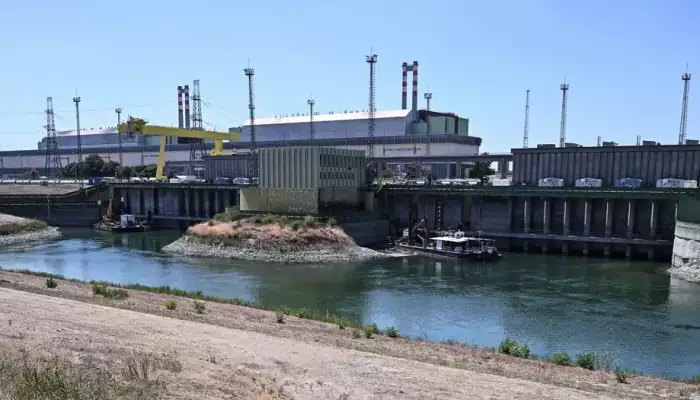
- Hungary's only nuclear plant in Paks is operating at reduced capacity due to low Danube water levels, risking a full shutdown.
- France, heavily reliant on nuclear power, faces significant output reductions during heat waves, affecting its neighbors and the wider European electricity market.
Nuclear power plants across Europe are facing operational challenges due to extreme heat and critically low water levels, raising concerns about electricity supply stability. In Hungary, the Paks nuclear power plant, responsible for about 40% of the country's electricity, has reduced operations to one of its four turbine units. Record-low water levels in the Danube River brought the plant to the brink of a complete shutdown.
France, which relies more heavily on nuclear power than any other European nation, is also feeling the strain. While annual production losses due to high water temperatures and low river levels are typically less than 1%, short-term fluctuations during heat waves can be significant. In the summer of 2003, French plants had to reduce output by over six gigawatts. More recently, heat waves in late June and mid-July 2026 temporarily limited maximum available capacity by eight to nine gigawatts, equivalent to one-fifth of France's usual summer nuclear capacity.
These reductions, even if not resulting in overall shortfalls, are critical for grid operators and traders. Heat waves increase electricity demand for cooling while simultaneously reducing available power from nuclear sources. Furthermore, as heat affects large parts of Europe, reserves from neighboring countries also decline. The core issue lies in the plants' need to discharge significant amounts of waste heat, making them vulnerable to rising river temperatures and falling water levels.
DistantNews Editorial
Originally published by Times of Oman in English. Translated, summarized, and contextualized by our editorial team with added local perspective. Read our editorial standards.
More Stories

From Our Blog

What Gets Lost (and Found) When News Is Translated

The Critical Role of Diaspora Media in Global News

What Travellers Should Know About Countries with Restricted Press

A Digital Nomad's Guide to Following Local News

How the Same Story Looks Different in Different Countries
