

Europe's prisons are full: an 'overcrowding time bomb' that could explode later
Translated from Hungarian, summarized and contextualized by DistantNews.
At a glance
News
Sources not specified
Context piece
- Prisons across Europe are critically overcrowded, with Germany facing significant pressure, though the issue is systemic across the EU.
- Countries like France, Ireland, and Croatia report prison occupancy exceeding 100% of theoretical capacity, leading to humanitarian and security risks.
- Alternative solutions being considered include reduced sentences with electronic monitoring, increased staffing, and faster deportation of foreign offenders, as governments grapple with capacity limits.
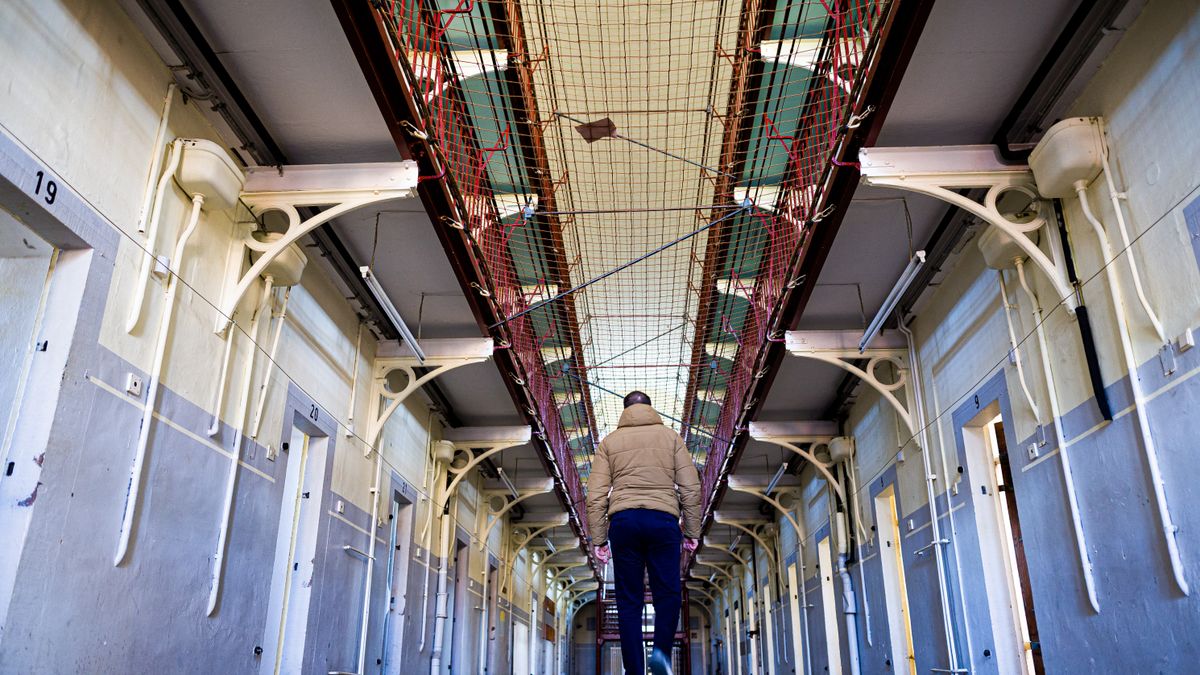
European prisons are facing a severe overcrowding crisis, with many facilities operating beyond their capacity, creating a ticking time bomb that could have future repercussions for the public. While Germany's situation garners attention due to its size, the problem is a systemic issue affecting the entire European Union.
The Council of Europe's SPACE I statistical report highlights that numerous European countries are struggling to manage drastic overcrowding. Prison occupancy rates are critically high across the continent, with a significant number of member states experiencing capacity shortages. France, Ireland, and Croatia are particularly affected, with inmate numbers regularly surpassing 100% of their official capacity.
This overcrowding, coupled with deteriorating hygiene conditions, poses humanitarian and security risks in nearly all member states. Sweden, in particular, faces a dramatic situation due to an unchecked rise in its prison population, fueled by violent conflicts between immigrant-background clans and gangs. The inability to expand physical prison capacity quickly and affordably forces governments to resort to alternative, often controversial, measures.
Justice ministries and correctional services across Europe are implementing crisis management strategies. These include exploring alternatives to incarceration, such as shorter prison terms supplemented by electronic monitoring and intensive probation for less serious offenses. Other approaches involve a radical expansion of prison staff to better control rival ethnic groups within facilities. A key political objective for many governments is the accelerated repatriation of foreign offenders and illegal migrants to their home countries, aiming to alleviate pressure on domestic institutions. Failure to reform criminal justice and migration policies could lead to internal security breakdowns within prisons and pose future dangers to the public from released individuals.
DistantNews Editorial
Originally published by Magyar Nemzet in Hungarian. Translated, summarized, and contextualized by our editorial team with added local perspective. Read our editorial standards.
More Stories


From Our Blog

Countries Without a Free Press: What You Need to Know

What Press Freedom Means for the News You Read

What Gets Lost (and Found) When News Is Translated

The Critical Role of Diaspora Media in Global News

What Travellers Should Know About Countries with Restricted Press
