

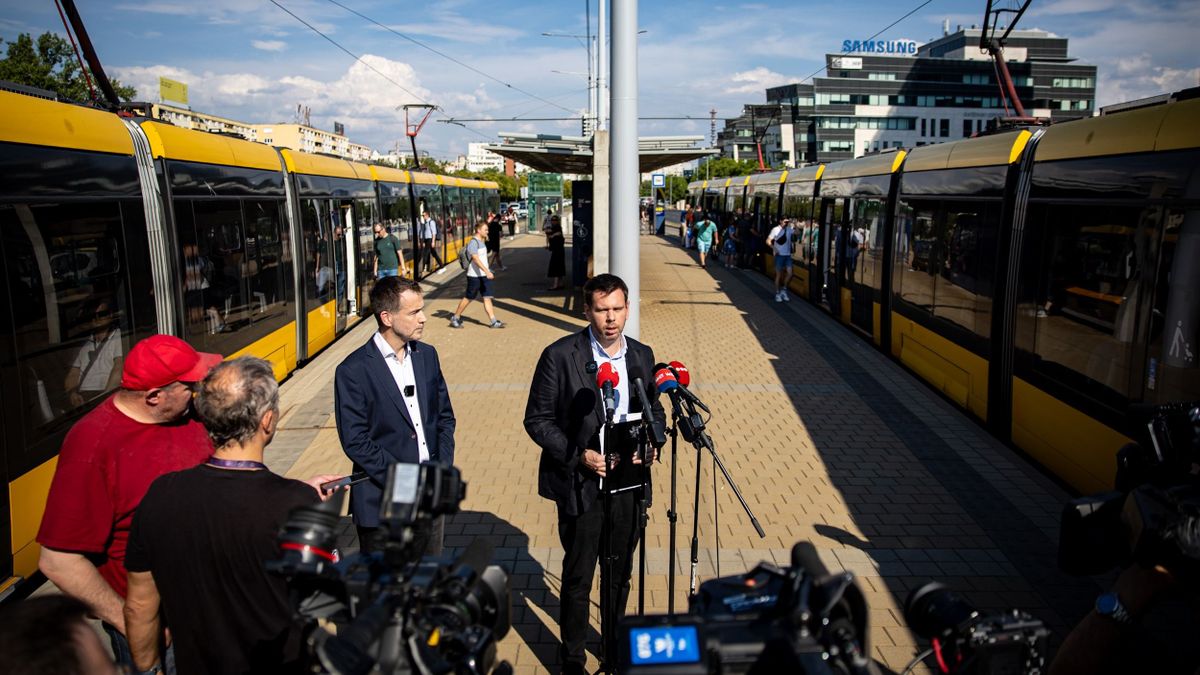

Traffic Expert Highlights Key Aspect of Proposed Crackdowns
Translated from Hungarian, summarized and contextualized by DistantNews.
At a glance
Analysis
Named sources
Context piece
- A traffic expert suggests stricter penalties for speeding in residential areas, but emphasizes the need for driver identification.
- The expert supports vehicle confiscation for severe, intentional violations like reckless speeding or drunk driving.
- He calls for precise, differentiated rules and consistent enforcement, not just increased fines.
A Hungarian traffic lawyer has proposed stricter penalties for speeding within residential areas, emphasizing that the effectiveness of such measures hinges on accurately identifying the driver, not just the vehicle.
Miklós Herpy argues that current regulations, which often rely on automatic speed cameras that only capture license plates, are insufficient. He advocates for obligating vehicle owners to identify the driver at the time of the offense when a administrative fine is issued. This, he believes, is essential for tracking repeat offenders and ensuring accountability, as a license plate alone does not reveal a driver's history.
Herpy also expressed support for the principle of vehicle confiscation in cases of the most severe traffic violations, such as extreme speeding, driving under the influence, or disregarding signals at railway crossings. However, he cautioned that such measures must be applied judiciously, exclusively for genuinely dangerous and deliberate offenses.
Today, a significant portion of speeding offenses are recorded by automatic speedometers, which only provide the vehicle's license plate. Therefore, I consider it justified that when imposing an administrative fine, the owner must indicate who was driving the vehicle. Only in this way can it be tracked whether someone is a notorious repeat speeder. The license plate alone is not enough for this.
He illustrated the complexity with the example of railway crossings, where signals can change rapidly. A driver might pass a red light not out of intent, but because they were too close to stop safely after the signal changed. Herpy stressed that vehicle confiscation should only be considered for intentional disregard of a red signal that has been active for a significant duration, distinguishing it from unavoidable situations.
In conclusion, Herpy stated that while stricter penalties can serve as a deterrent, simply increasing fines is not enough. He called for precise, differentiated regulations, reliable identification of offenders, and consistent legal application to ensure that the proposed measures have a genuine impact on road safety.
Overall, the tightening of regulations will have a real deterrent effect, but increasing the penalty amounts alone is not enough. Precise, differentiated rules, identification of offenders, and consistent legal application will also be needed.
DistantNews Editorial
Originally published by Magyar Nemzet in Hungarian. Translated, summarized, and contextualized by our editorial team with added local perspective. Read our editorial standards.
More Stories



From Our Blog

Countries Without a Free Press: What You Need to Know

What Press Freedom Means for the News You Read

What Gets Lost (and Found) When News Is Translated

The Critical Role of Diaspora Media in Global News

What Travellers Should Know About Countries with Restricted Press
