

Europe's Wildfires Intensify Amid Climate Change-Fueled Drought
Translated from Finnish, summarized and contextualized by DistantNews.
At a glance
News
Sources not specified
Ongoing story
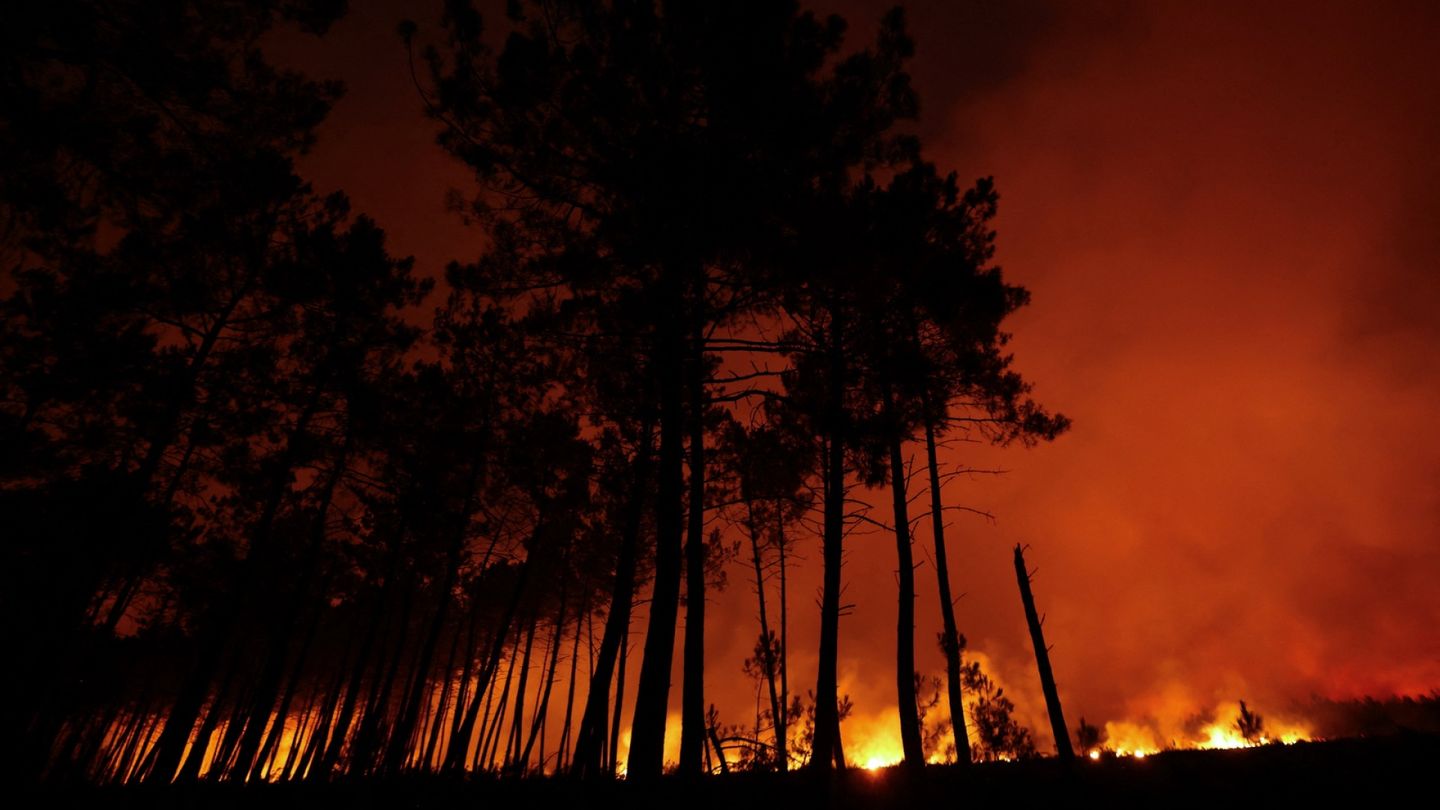
- Europe is experiencing severe wildfires, exacerbated by an exceptional heatwave in June that broke temperature records.
- Over 280,000 people have been evacuated or ordered to stay indoors in France and Spain due to the blazes.
- Climate change is identified as a strong factor, contributing to Europe's increasing dryness and creating ideal conditions for fires, with more land burned in France this year than in the record year of 2022.
Europe is grappling with intense wildfires, fueled by an exceptional heatwave in June that shattered temperature records and led to an estimated 20,000 deaths. The continent's increasing dryness, linked to climate change, has created ideal conditions for fires to erupt, particularly in France and Spain. In France, more land has burned this year than in the entirety of the record year 2022, according to satellite data. The situation is particularly dire in southwestern France and the Madrid region of Spain, where over 280,000 people have been evacuated or instructed to remain indoors. Rising temperatures in these areas have averaged over seven degrees Celsius higher than the 1961-1990 average for July. The European Centre for Medium-Range Weather Forecasts (ECMWF) highlights the strong connection between human-caused climate change and Europe's increasingly arid summers. Scientists note that Europe dried out two months earlier this year compared to 2022. The consequences extend beyond immediate destruction, with concerns about significant crop losses and reduced river levels impacting electricity production and potentially raising energy prices across Europe.
The connection between human-caused climate change and increasingly dry European summers is strong.
DistantNews Editorial
Originally published by Helsingin Sanomat in Finnish. Translated, summarized, and contextualized by our editorial team with added local perspective. Read our editorial standards.
More Stories

From Our Blog

What Gets Lost (and Found) When News Is Translated

The Critical Role of Diaspora Media in Global News

What Travellers Should Know About Countries with Restricted Press

A Digital Nomad's Guide to Following Local News

How the Same Story Looks Different in Different Countries
