

Europe Swelters in Record Heat, Climate Change Fuels Crisis
Translated from Turkish, summarized and contextualized by DistantNews.
At a glance
News
Sources not specified
Context piece
- Europe is experiencing its hottest summer on record, with temperatures exceeding 40 degrees Celsius and rising twice as fast as the global average.
- Over 62,000 people have died from extreme heat in Europe in 2024 alone, with a single week in June 2026 recording over 1,300 deaths.
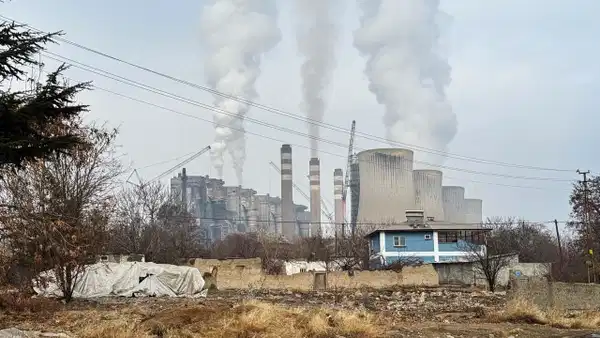
- Climate change, driven by greenhouse gas emissions and human actions, is intensifying extreme weather events like heatwaves, droughts, floods, and wildfires, posing a significant threat to natural, economic, and social life.
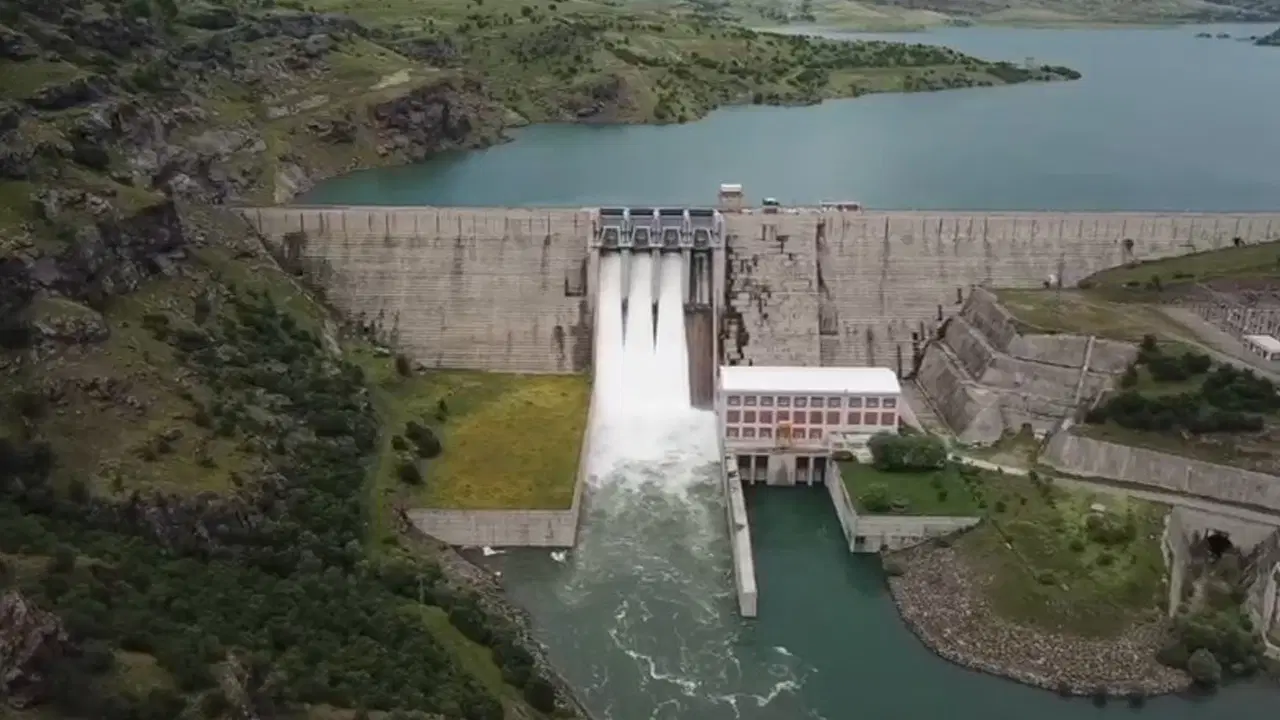
Europe is grappling with an unprecedented heatwave, enduring its hottest summer on record with temperatures soaring past 40 degrees Celsius. This alarming trend is unfolding at twice the global average rate, signaling a "new normal" for the continent. The extreme heat has pushed electricity grids to their limits, overwhelmed hospitals, and placed immense strain on healthcare systems. Official data reveals a grim toll, with over 62,000 lives lost to extreme heat across Europe in 2024 alone. A more recent snapshot from June 2026 shows a staggering 1,300-plus deaths in Europe within a single week, with France bearing the brunt, recording over a thousand fatalities in just three days during the peak of a record-breaking heatwave. The majority of these victims are elderly individuals succumbing to the heat in their homes, nursing facilities, and hospitals.
Turkey is facing a similar crisis. More than 30 provinces have recorded temperatures above 40 degrees Celsius, with Şırnak reaching a scorching 50.5 degrees, setting an all-time record. Newspapers are filled with headlines describing "dragon heat" and "desert heat," as the extreme temperatures make daily life unbearable, forcing people indoors and disrupting school schedules.
Professor Dr. Murat Türkeş from Boğaziçi University's Climate Change and Policies Application and Research Center highlights that accumulating greenhouse gases in the atmosphere are intensifying extreme weather events. These include heatwaves, severe droughts, floods, flash floods, tropical storms, and wildfires. He emphasizes that these events not only impact natural life but also directly affect economic and social activities. "Irresponsible and careless human actions continue to damage the Earth's fundamental components, from the biosphere to the atmosphere, and all living spaces, endangering the lives of present and future generations," Türkeş stated.
Türkeş further noted that Turkey is among the countries most affected by global climate change. Rising temperatures, erratic rainfall, droughts, floods, and wildfires are becoming more frequent and destructive each year. Major wildfires in Australia, the US, Portugal, Greece, and Turkey in recent years are stark examples of the climate crisis. Turkey's 2025 wildfire season marked the second-largest forest loss in its history, with millions of hectares burning across over 6,800 fires. In 2026, 3,224 fires raged, destroying 40,032 hectares of forest. Over the past 24 years, a total of 328,000 hectares of forest have been lost in Turkey. The situation is mirrored across Europe and the world, with devastating fires in Cyprus, Greece, Italy, France, Spain, and Portugal.
Irresponsible and careless human actions continue to damage the Earth's fundamental components, from the biosphere to the atmosphere, and all living spaces, endangering the lives of present and future generations.
DistantNews Editorial
Originally published by Cumhuriyet in Turkish. Translated, summarized, and contextualized by our editorial team with added local perspective. Read our editorial standards.
More Stories


From Our Blog

What Gets Lost (and Found) When News Is Translated

The Critical Role of Diaspora Media in Global News

What Travellers Should Know About Countries with Restricted Press

A Digital Nomad's Guide to Following Local News

How the Same Story Looks Different in Different Countries
