


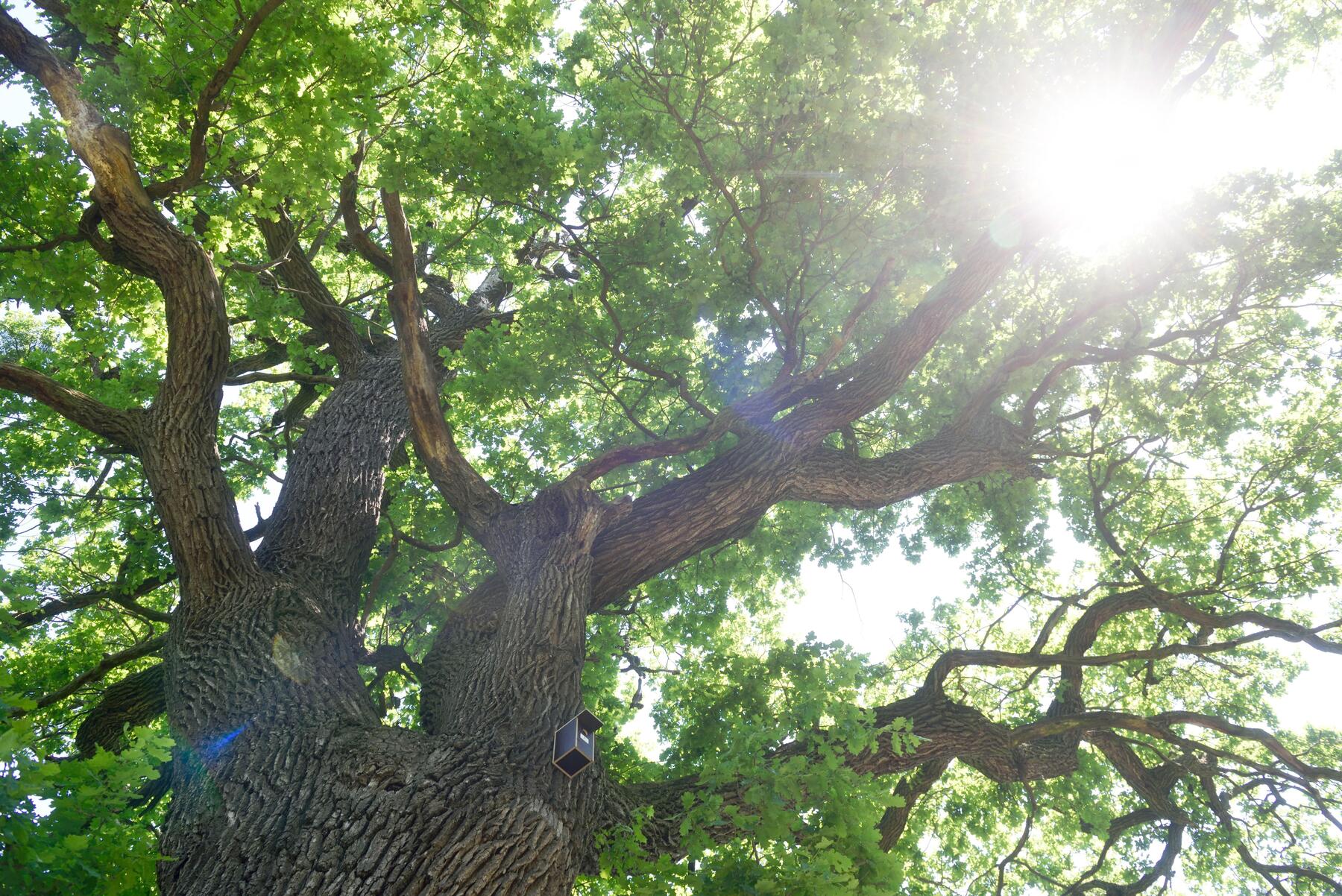
European Cities Fall Short on Green Space, EU Study Finds
Translated from German, summarized and contextualized by DistantNews.
TLDR
- A new EU study reveals that most European cities offer insufficient green spaces, impacting resident well-being.
- The study analyzed 862 cities against the
In an era where urban living is the norm for a growing majority, the findings of this EU investigation into urban green spaces strike a concerning chord. Die Presse, as a publication deeply rooted in Austrian and European discourse, views this as a critical call to action. The research, which highlights that a significant portion of Europeans lack adequate access to trees and green areas, directly impacts the quality of life and health of our citizens.
The "3-30-300" rule, which aims for visible trees from every building, 30% tree canopy cover in neighborhoods, and proximity to green spaces, appears to be more of an aspiration than a reality for many. Only 13.5% of urban Europeans meet all three criteria, a statistic that should prompt immediate reevaluation of urban planning policies across the continent. While Vienna shows some promise, the overarching trend is one of deficiency, particularly in achieving adequate tree canopy cover.
In unzähligen Studien wurde bereits nachgewiesen, dass sich ein regelmäßiger Aufenthalt in der Natur positiv auf Wohlbefinden, Lebenszufriedenheit, Stressbelastung und Glück auswirkt.
This isn't merely an aesthetic issue; it's a public health imperative. Numerous studies, including those referenced in our reporting, demonstrate the profound positive effects of nature on mental and physical well-being, stress reduction, and even recovery from illness. The correlation between green spaces and lower antidepressant prescriptions is particularly telling. As a society, we must prioritize the integration of nature into our urban fabric, not as a luxury, but as a fundamental component of healthy, sustainable cities. The findings underscore the need for greater investment and political will to ensure that our cities are not just concrete jungles, but thriving ecosystems that support human flourishing.
Nur für 13,5 Prozent der städtischen Bevölkerung in Europa sind alle drei Prinzipien erfüllt; 20,9 Prozent leben hingegen in Gegenden, die keinem einzigen der drei Kriterien genügen
DistantNews Editorial
Originally published by Die Presse in German. Translated, summarized, and contextualized by our editorial team with added local perspective. Read our editorial standards.
More Stories


From Our Blog

What Gets Lost (and Found) When News Is Translated

The Critical Role of Diaspora Media in Global News

What Travellers Should Know About Countries with Restricted Press

A Digital Nomad's Guide to Following Local News

How the Same Story Looks Different in Different Countries
