

European Healthcare Crisis: Patients Face Years-Long Waits for Treatment
Translated from Romanian, summarized and contextualized by DistantNews.
At a glance
News
From a news agency
Context piece
- European healthcare systems face significant waiting times, with patients in some countries waiting years for treatments and consultations, according to an OECD report.
- The UK and Nordic countries, along with Slovenia, report some of the longest waiting lists, with patients in Slovenia potentially waiting up to two years for a hip replacement.
- The OECD report highlights that delayed treatment can prolong patient suffering and potentially worsen medical outcomes.
Patients across Europe are facing increasingly long waiting times for essential medical services, with some enduring waits of up to two years for procedures like hip replacements, according to a report by the Organisation for Economic Co-operation and Development (OECD).
The "Health at a Glance 2025" report reveals stark disparities in healthcare access, with countries like the United Kingdom, Slovenia, and Nordic nations experiencing some of the most significant delays. In Slovenia, the median wait time for a hip replacement reached 667 days in 2024, nearly two years. Poland also exceeded a year, with a median wait of 343 days.
Amânarea beneficiilor așteptate ale tratamentului înseamnă că pacienții continuă să trăiască mai mult timp cu durere și dizabilitate decât ar fi necesar, ceea ce poate agrava rezultatele medicale după intervenție.
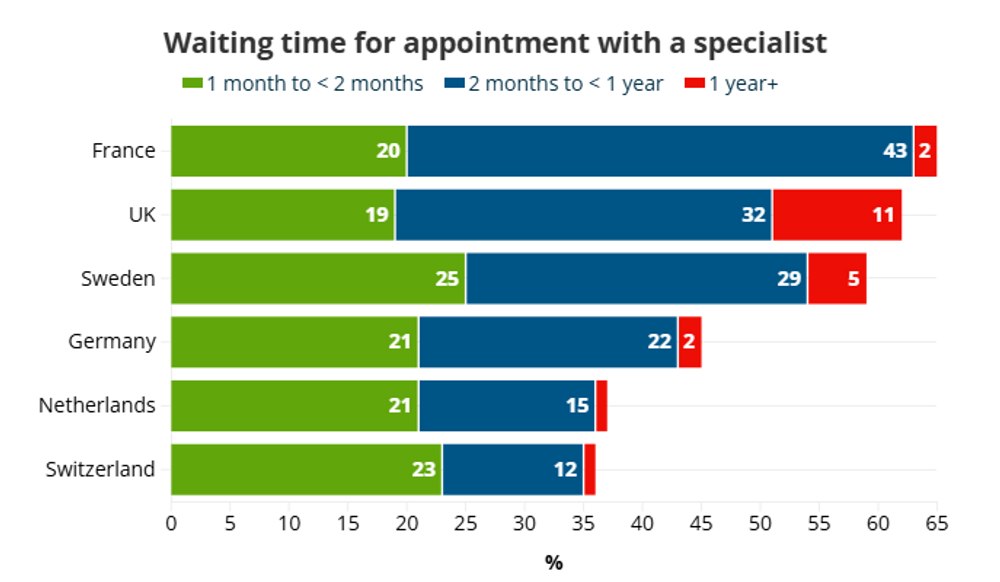
Even basic consultations are affected. In several European countries, securing an appointment with a general practitioner or nurse can take at least a week. In Germany and France, approximately 20% of patients wait weeks for a GP appointment. In Sweden, 23% wait over a week, a figure mirrored in France and Germany at 20%, and the UK at 18%.
The OECD report emphasizes that these delays are not merely inconvenient; they have serious consequences. "Postponing the expected benefits of treatment means that patients continue to live longer with pain and disability than they would need to, which can worsen medical outcomes after intervention," the report states. The issue of waiting times for non-urgent care remains a pressing public policy concern across the continent.
Timpii de așteptare pentru îngrijiri medicale non-urgente reprezintă o preocupare importantă de politică publică în multe sisteme de sănătate, unde pacienții trebuie să aștepte săptămâni sau luni pentru a avea acces la servicii me
DistantNews Editorial
Originally published by Adevărul in Romanian. Translated, summarized, and contextualized by our editorial team with added local perspective. Read our editorial standards.
More Stories



From Our Blog

What Gets Lost (and Found) When News Is Translated

The Critical Role of Diaspora Media in Global News

What Travellers Should Know About Countries with Restricted Press

A Digital Nomad's Guide to Following Local News

How the Same Story Looks Different in Different Countries
