


European Parliament ready to negotiate digital euro
Translated from Greek, summarized and contextualized by DistantNews.
At a glance
News
Sources not specified
New plan
- The European Parliament has approved its negotiating mandate for a digital euro.
- The digital euro aims to provide a secure payment method and reduce reliance on non-EU providers.
- Key provisions include privacy safeguards, mandatory acceptance by most businesses, and free basic services.
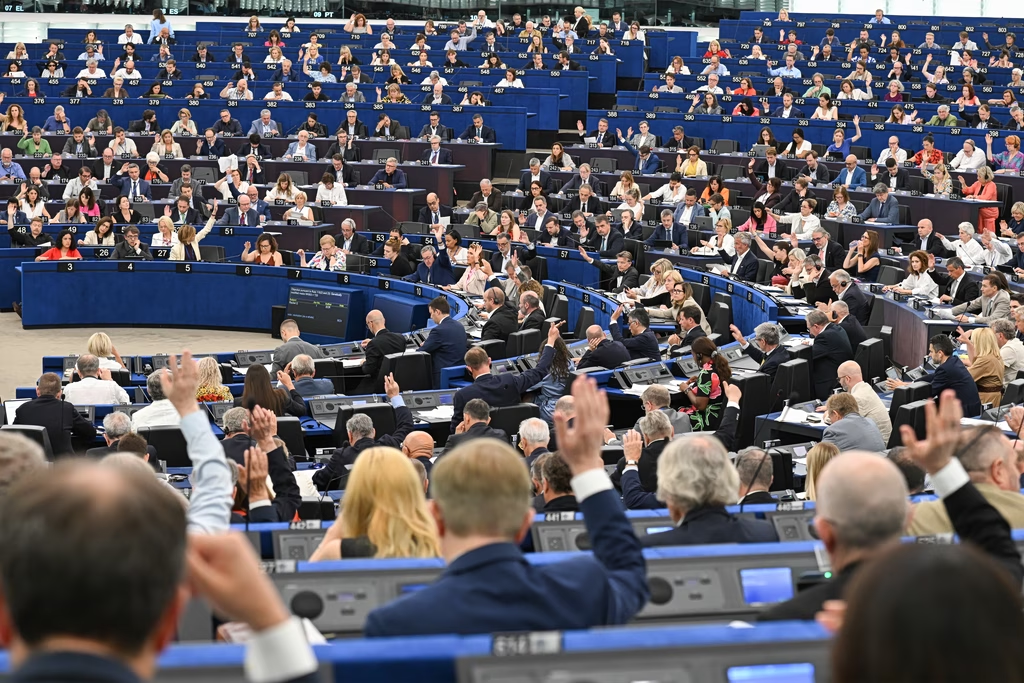
The European Parliament has signaled its readiness to negotiate the creation of a digital euro, a move aimed at establishing a secure digital payment system for citizens and lessening dependence on external providers.
With a vote of 416 in favor, 169 against, and 22 abstentions, lawmakers advanced the legislative process for the digital currency. This decision also encompasses rules for payment service providers outside the euro area. While some political groups had questioned earlier committee decisions, the Parliament has now authorized its negotiating team to proceed.
The digital euro is envisioned as a new electronic form of money issued by the European Central Bank, usable both online and offline. The Parliament's position emphasizes strong privacy protections, ensuring transactions are verified without revealing personal data unless absolutely necessary. Most businesses will be required to accept the digital euro, with exemptions for small businesses that do not handle other digital payments. Basic services, such as account opening and payment access, are to be provided free of charge.
To safeguard the financial system, a limit will be placed on the amount of digital euros individuals can hold. Banks and payment providers from EU countries outside the euro zone will be able to distribute the digital currency. Meanwhile, euro zone countries must ensure continued access to cash, with businesses unable to refuse its use and member states monitoring its availability, particularly for vulnerable populations.
Fernando Navarrro Rojas of the EPP group in Spain will lead the Parliament's negotiating team. The first round of talks with the Council, representing member states, is expected soon. A separate measure concerning the legal tender status of euro banknotes and coins will also proceed to negotiations.
DistantNews Editorial
Originally published by Ta Nea in Greek. Translated, summarized, and contextualized by our editorial team with added local perspective. Read our editorial standards.
More Stories


From Our Blog

What Gets Lost (and Found) When News Is Translated

The Critical Role of Diaspora Media in Global News

What Travellers Should Know About Countries with Restricted Press

A Digital Nomad's Guide to Following Local News

How the Same Story Looks Different in Different Countries
