


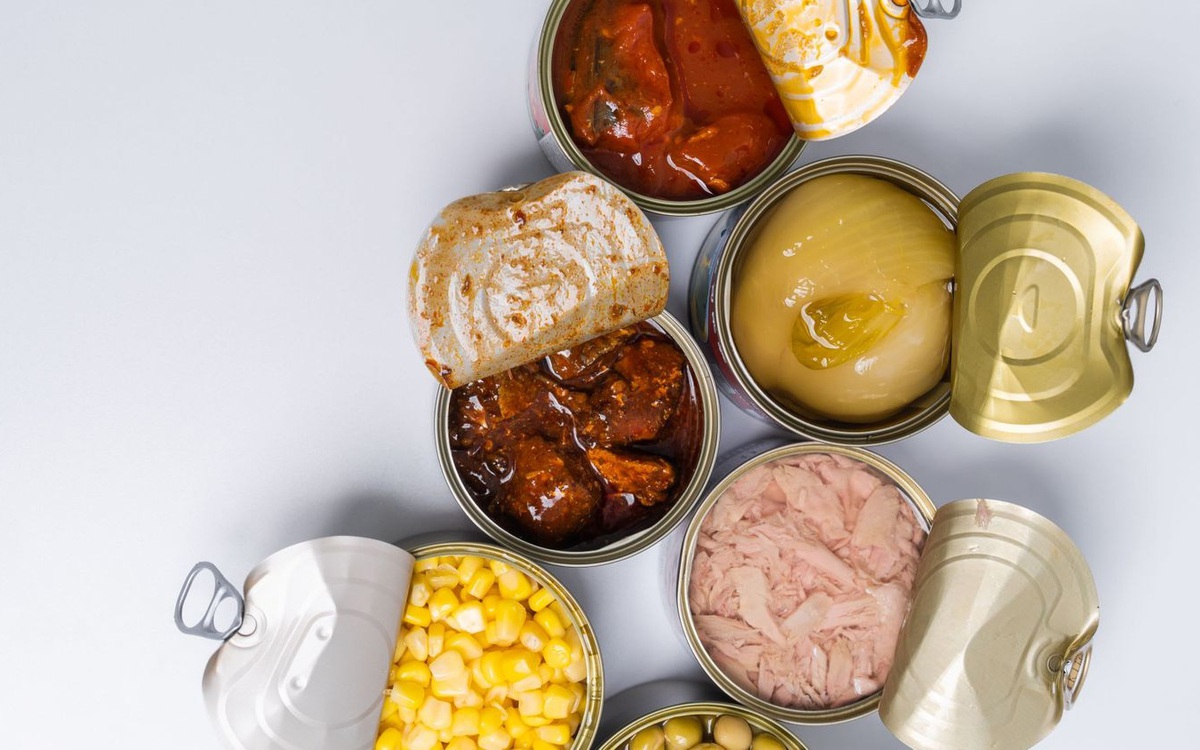
Everyday Chemicals Linked to Rising Obesity Risk, Experts Warn
Translated from Vietnamese, summarized and contextualized by DistantNews.
At a glance
News
Sources not specified
Context piece
- Israeli health experts warn that "obesogens," chemicals found in everyday items like canned food and plastic containers, may increase obesity risk.
- These chemicals can disrupt the endocrine system, affecting hormones that regulate metabolism and fat storage.
- Experts recommend reducing exposure by avoiding microwaving food in plastic, choosing fresh foods, and using glass or ceramic containers.
Israeli health experts are raising concerns about "obesogens," a class of chemicals prevalent in common household items that may contribute to the rising rates of obesity. These substances, found in materials like canned food packaging and plastic containers, can interfere with the body's endocrine system. By impacting crucial hormones such as insulin, leptin, and thyroid hormones, obesogens can alter how the body stores and utilizes fat, potentially leading to weight gain over time.
The chemicals, which include compounds like bisphenol (BPA) and similar substances, can leach into food and beverages, especially when heated. Other sources of exposure include thermal paper receipts, cosmetics, vinyl flooring, and even household dust. While the short-term effects may not be apparent, prolonged exposure is believed to have cumulative health impacts.
To mitigate the risks, experts advise against heating food in plastic containers, recommending glass or ceramic alternatives instead. They also encourage a diet rich in fresh produce, limiting processed foods, and maintaining a clean living environment. Simple measures like using reusable water bottles and being mindful of products containing phthalates and parabens can further reduce exposure to these endocrine-disrupting chemicals.
DistantNews Editorial
Originally published by Tuổi Trẻ in Vietnamese. Translated, summarized, and contextualized by our editorial team with added local perspective. Read our editorial standards.
More Stories

From Our Blog

What Gets Lost (and Found) When News Is Translated

The Critical Role of Diaspora Media in Global News

What Travellers Should Know About Countries with Restricted Press

A Digital Nomad's Guide to Following Local News

How the Same Story Looks Different in Different Countries
