


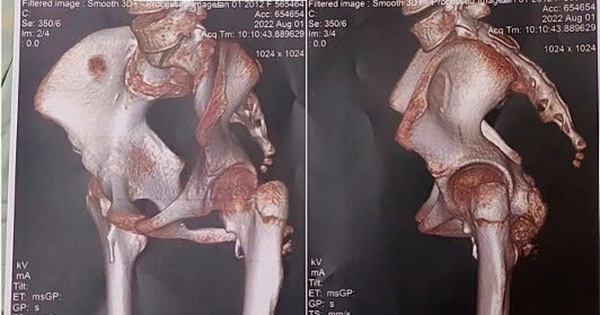
Vietnamese Girl Diagnosed with Ultra-Rare 'Stone Man Syndrome' After Gene Test
Translated from Vietnamese, summarized and contextualized by DistantNews.
At a glance
News
Sources not specified
Outcome reported
- A 12-year-old girl in Ho Chi Minh City, Vietnam, was diagnosed with Fibrodysplasia Ossificans Progressiva (FOP), an extremely rare genetic disorder, thanks to gene sequencing.
- The patient lacked the classic sign of toe malformation seen in over 90% of FOP cases, complicating the diagnosis and nearly leading to unnecessary surgery.
- Doctors opted against surgery due to the risk of worsening the condition, focusing instead on managing flare-ups and preventing triggers for bone formation.
Doctors in Ho Chi Minh City have diagnosed a 12-year-old girl with Fibrodysplasia Ossificans Progressiva (FOP), a rare genetic disorder affecting approximately one in 500,000 people. The diagnosis came after nearly two years of treatment and planning for surgery.
The case presented a diagnostic challenge because the patient did not exhibit the characteristic malformation of the big toe, a hallmark present in over 90% of FOP cases. She had been experiencing progressive joint stiffness, initially in her left hip after a minor fall, which later spread to her spine, neck, and shoulders, severely limiting her daily activities.
Initially, doctors considered surgery to address the hip stiffness. However, further clinical, imaging, and genetic data suggested this intervention might worsen the condition. Gene sequencing revealed a mutation in the ACVR1 gene, confirming the FOP diagnosis. Consequently, the planned surgery was canceled.
Treatment now focuses on managing flare-ups with corticosteroids or non-steroidal anti-inflammatory drugs and monitoring for potential hearing loss. FOP has no complete cure, and management centers on early detection, controlling symptoms, maintaining mobility, and avoiding triggers that accelerate bone formation. Doctors emphasize the need to consider FOP even in the absence of typical signs.
DistantNews Editorial
Originally published by Thanh Niên in Vietnamese. Translated, summarized, and contextualized by our editorial team with added local perspective. Read our editorial standards.
More Stories



From Our Blog

What Gets Lost (and Found) When News Is Translated

The Critical Role of Diaspora Media in Global News

What Travellers Should Know About Countries with Restricted Press

A Digital Nomad's Guide to Following Local News

How the Same Story Looks Different in Different Countries
