


Ex-Malaysian PM charged with concealing assets
Translated from English and summarized by DistantNews. Read the original for the full story.
At a glance
News
From a news agency
In the courts
- Former Malaysian Prime Minister Ismail Sabri Yaakob faces charges for allegedly concealing assets, including currency and gold bars.
- He pleaded not guilty and was released on bail; conviction could lead to jail time and fines.
- This prosecution marks the third case against a former Malaysian premier in recent years related to alleged corruption.
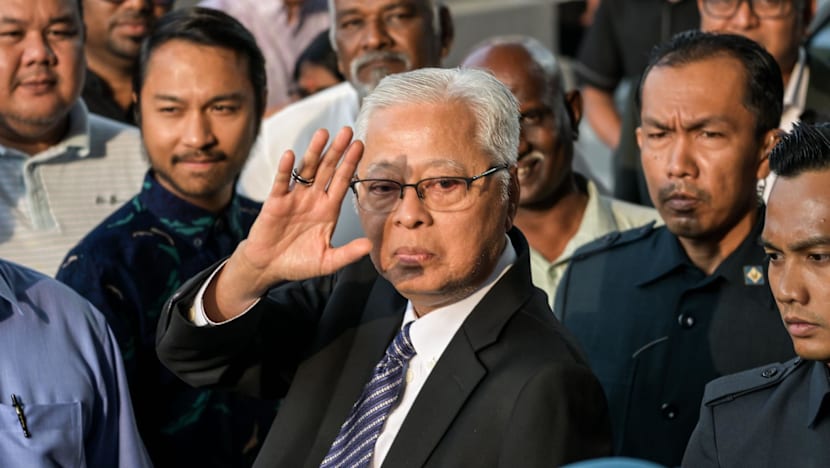
Kuala Lumpur – Former Malaysian Prime Minister Ismail Sabri Yaakob has been formally charged with failing to declare assets, marking the latest high-profile prosecution in a series of graft-related investigations targeting former leaders.
Ismail Sabri, who served as prime minister for just over 15 months between 2021 and 2022 during a period of political instability, appeared in a Kuala Lumpur lower court on Thursday. He pleaded not guilty to charges of concealing assets that reportedly included local and foreign currencies, as well as gold bars and silver. He was subsequently released on 300,000 ringgit ($74,534) bail.
If convicted, Ismail Sabri faces a potential prison sentence of up to five years and a fine of up to 100,000 ringgit. The charges stem from an investigation by the country's anti-graft agency. Last March, the agency had stated that Ismail Sabri had submitted an asset declaration following an order related to its probe into alleged graft and money laundering. This investigation followed the seizure of nearly $40 million in assets reportedly linked to him, including 170 million ringgit in cash and 16 kg of gold bars.
A trained lawyer, Ismail Sabri has had a long career in politics, holding various positions including lawmaker and cabinet minister under three different prime ministers. His previous portfolios included rural and regional development, agriculture, and domestic trade, showcasing a diverse background before his premiership.
About this summary
Originally published by The Straits Times in English. Translated, summarized, and contextualized automatically by DistantNews, with a note on how the source frames the story. Not individually reviewed before publishing. How this works.
More Stories


From Our Blog

What Gets Lost (and Found) When News Is Translated

The Critical Role of Diaspora Media in Global News

What Travellers Should Know About Countries with Restricted Press

A Digital Nomad's Guide to Following Local News

How the Same Story Looks Different in Different Countries
