


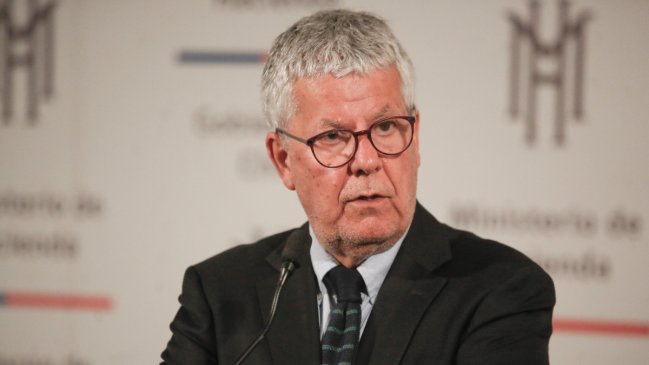
Ex-Minister Eyzaguirre Reveals Personal Trauma, Slams 'Fanatical' Fetal Heartbeat Bill
Translated from Spanish, summarized and contextualized by DistantNews.
At a glance
News
Sources not specified
Context piece
- Former minister Nicolás Eyzaguirre revealed he experienced a fetal non-viability situation and criticized a proposed "heartbeat" bill.
- The bill requires women to listen to a fetus's heartbeat before an abortion, with denial of the procedure if they refuse.
- Eyzaguirre called the bill "fanatical" and described his personal experience as "atrocious."
Former minister Nicolás Eyzaguirre has publicly disclosed a deeply personal and traumatic experience with fetal non-viability, vehemently criticizing a proposed bill that would require women to listen to a fetus's heartbeat before undergoing an abortion.
Eyzaguirre revealed that he and his partner went through a situation where a pregnancy was deemed non-viable. He described the experience as "atrocious," recounting that the pregnancy continued to term, the child was born, and subsequently died. He expressed profound disbelief and horror that any legislation would mandate a mother to listen to the heartbeat of a fetus destined to die, stating, "I have no words to say the horror that this creates for me, I have no words."
I went through one of these circumstances of non-viability of life, which was atrocious. It went to term, of course, and was born, and died, and frankly I don't know in what mind it can be conceived that the mother has to listen to the heartbeat of a child that is going to die. I have no words to say the horror that this creates for me, I have no words.
The bill, known as "Escucha su corazón" (Listen to its heart), has faced widespread opposition. It is being promoted by right-wing and libertarian lawmakers and seeks to compel women to hear the fetal heartbeat before proceeding with an abortion under any of the three legal circumstances. Eyzaguirre, a member of the center-left PPD party, labeled the initiative as the "work of fanatics."
He urged those in centrist political positions to speak out clearly against such measures. Eyzaguirre believes that without a unified voice from the center, the country's future is uncertain. His personal testimony adds a powerful emotional and ethical dimension to the debate surrounding abortion rights and legislative proposals in Chile.
I believe that this country has no destiny unless those of us who are in positions more convergent toward the center, whether from the left or the right, are capable of clearly stating things when they need to be said, when questions arise.
DistantNews Editorial
Originally published by Cooperativa in Spanish. Translated, summarized, and contextualized by our editorial team with added local perspective. Read our editorial standards.
More Stories



From Our Blog

What Gets Lost (and Found) When News Is Translated

The Critical Role of Diaspora Media in Global News

What Travellers Should Know About Countries with Restricted Press

A Digital Nomad's Guide to Following Local News

How the Same Story Looks Different in Different Countries
