

Exclusive National Dialogue in Sudan: A Bandage on a Wooden Leg
Translated from French and summarized by DistantNews. Read the original for the full story.
At a glance
Opinion
Named sources
Ongoing story
- Sudanese army chief Abdel Fattah al-Burhan has proposed a national dialogue after more than three years of war, with consultations under way in Khartoum.
- The initiative excludes his main rival, Rapid Support Forces commander Mohamed Hamdan Dagalo, a decision criticized because the group controls a large part of Sudanese territory.
- Political and civil society actors meeting in Addis Ababa said the dialogue could be intended to legitimize al-Burhan’s authority, while the country remains devastated by war.
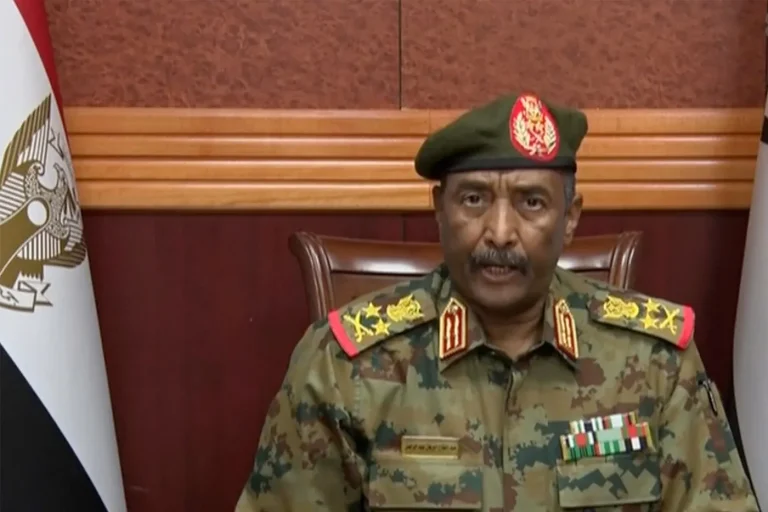
After more than three years of war, Sudan is preparing for a national dialogue intended to pull the country out of crisis. The initiative comes from General Abdel Fattah al-Burhan, who leads the national armed forces and called in mid-August for talks aimed at establishing lasting peace. Consultations have begun and are continuing in Khartoum.
But the proposal immediately raises a central question: how can a national dialogue work if it excludes the commander of the Rapid Support Forces, General Mohamed Hamdan Dagalo, widely known as Hemetti? Al-Burhan has clearly chosen not to include his principal adversary. That decision makes the initiative difficult to understand, because peace is made with opponents, not with friends.
The Rapid Support Forces are not only a military force. They control a substantial part of Sudanese territory. Any dialogue without their participation therefore appears unlikely to produce tangible results. Al-Burhan, the article argues, should have extended his hand to his main rival, even if Hemetti later rejected the offer. By excluding him, the army chief risks making his opponent appear more sympathetic to many of his critics.
Other influential groups have also rejected the proposed process. Political and civil society actors who met in Addis Ababa, Ethiopia, said they oppose the war but believe al-Burhan’s call for national dialogue seeks to legitimize power he acquired under disputed circumstances.
The initiative could still change course, but the article warns that Sudan may be heading toward a monologue rather than a national dialogue. The country has become a field of ruins after years of fighting, and the proposed talks will not help the suffering Sudanese people if they leave major social, political and military forces outside the room.
About this summary
Originally published by Le Pays in French. Translated, summarized, and contextualized automatically by DistantNews, with a note on how the source frames the story. Not individually reviewed before publishing. How this works.
More Stories
From Our Blog

What Gets Lost (and Found) When News Is Translated

The Critical Role of Diaspora Media in Global News

What Travellers Should Know About Countries with Restricted Press

A Digital Nomad's Guide to Following Local News

How the Same Story Looks Different in Different Countries
