


Exhibition at Seodaemun Prison Documents Korean Independence Movement Records
Translated from Korean, summarized and contextualized by DistantNews.
At a glance
In-depth
Sources not specified
Context piece
- An exhibition titled 'Red Brick House, Seodaemun Prison' opens at the Seodaemun Prison History Hall, commemorating the Korean independence movement during the Japanese colonial era.
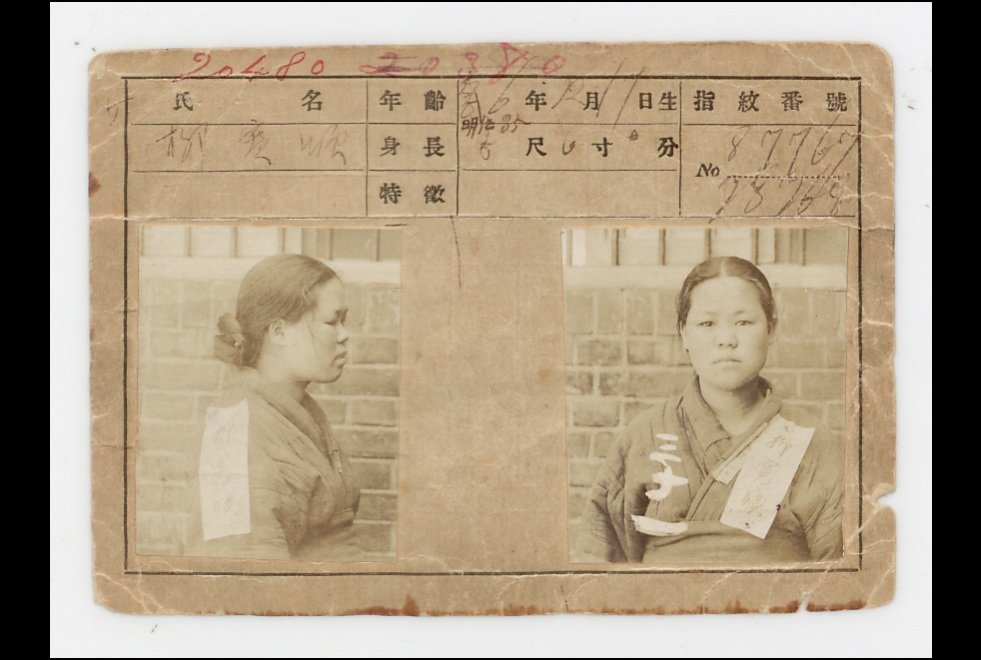
- The exhibition showcases over 60 artifacts, including prisoner record cards and forced labor coupons, detailing 161 charges related to independence activities.
- It highlights the resistance within the prison walls and the support from families and individuals outside, illustrating the lives of those who yearned for independence.
An exhibition titled 'Red Brick House, Seodaemun Prison' has opened at the Seodaemun Prison History Hall, offering a poignant look at the lives of individuals who fought for Korean independence during the Japanese colonial period. The joint exhibition by the National Folk Museum of Korea and the Seodaemun Prison History Hall runs until December 31 and focuses on the resistance and resilience displayed within the prison, known colloquially as the 'red brick house' by Koreans in the 1920s and 1930s.
The exhibition delves into the harsh realities faced by independence activists, detailing 161 distinct charges leveled against them by the colonial authorities. Visitors can view prisoner record cards, including one belonging to Yoo Gwan-sun, a prominent figure in the March 1st Movement, and items like the 'Yongsu,' a restraint device used to transport prisoners. The display also includes artifacts such as forced labor coupons and recreations of prison cells, illustrating the daily struggles and the graded system of rations based on prisoner classification.
Resistance within the prison was multifaceted, with inmates using methods like 'tapping communication' to exchange messages. The exhibition features testimonies and contemporary newspaper articles detailing acts of defiance, including hunger strikes and organized demonstrations within the prison walls. These elements underscore the solidarity and persistent spirit of the prisoners despite severe repression.
The red brick house was a name Koreans in the 1920s-1930s used to call Seodaemun Prison. The red bricks, built by the forced labor of inmates, are a symbol of colonial oppression and hold the memories of those who lived for independence.
Beyond the prison confines, the exhibition also sheds light on the crucial support network provided by families and sympathizers. Personal letters, such as one from Ahn Chang-ho to his wife in 1933 expressing regret for causing her worry, offer intimate glimpses into the emotional toll on both prisoners and their loved ones. The concept of 'Okbaraji,' or caring for incarcerated family members by providing necessities like cotton for warmth and food, is also explored, with a map showing the 'Okbaraji Alley' where families lived near the prison.
Furthermore, the exhibition recognizes individuals outside who aided the independence movement, including nurses, lawyers like Kim Byeong-ro and his Japanese counterpart Hose Tatsuji, and figures like Min Kang, who used proceeds from selling the popular Korean medicine 'Hwal Myung Su' to fund independence activities. A display of 'Hwal Myung Su' bottles serves as a tangible reminder of this support.
Independence movement charges reached 161. Even writing 'Long Live Joseon' on the wall or sending a letter demanding independence from the Japanese Emperor were subject to punishment.
DistantNews Editorial
Originally published by Dong-A Ilbo in Korean. Translated, summarized, and contextualized by our editorial team with added local perspective. Read our editorial standards.
More Stories



From Our Blog

What Gets Lost (and Found) When News Is Translated

The Critical Role of Diaspora Media in Global News

What Travellers Should Know About Countries with Restricted Press

A Digital Nomad's Guide to Following Local News

How the Same Story Looks Different in Different Countries
