

Expanded World Cup; same old story as Europe dominates quarter-finals
Summarized and contextualized by DistantNews.
At a glance
Analysis
Sources not specified
Context piece
- Despite the World Cup expanding to 48 teams, European dominance persists in the quarter-finals, with six of the eight remaining teams from Europe.
- Morocco is the only non-European team, building its success on a mix of domestic talent development and players trained in European academies.
- While Europe's share of World Cup spots has decreased, its concentration of wealth and top talent continues to fuel its teams' success.
The expanded 48-team World Cup was intended to offer greater opportunities to underrepresented continents, but the quarter-final lineup tells a familiar story of European dominance. Six of the eight remaining teams hail from Europe: France, Spain, Belgium, England, Norway, and Switzerland. This concentration of European power mirrors the 2018 tournament and suggests a potential for an all-European semi-final.
While Europe's proportion of World Cup berths has decreased over the decades, the continent remains the epicenter of global football wealth and talent. Western European academies are renowned for developing top young players, and many nations worldwide have benefited from this system. Morocco, the sole African representative and the continent's first-ever World Cup semi-finalist in 2022, exemplifies this trend.
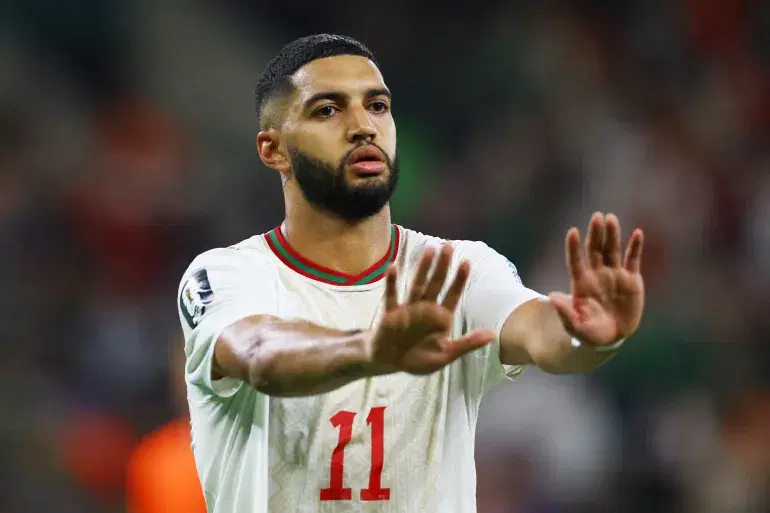
Morocco's success is a blend of homegrown talent, nurtured at facilities like the Mohammed VI Academy, and players developed within European club systems. Key figures such as captain Achraf Hakimi and Brahim Diaz were born in Europe and honed their skills there. This dual approach has allowed Morocco to field competitive teams, even fielding an entirely foreign-born starting eleven in one match.
Argentina, the reigning champions, stand as another exception, with most of their players originating from the country. However, many, like Lionel Messi, were scouted and developed by European clubs from a young age. Brazil, despite having most of its players based in Europe, has faltered in this World Cup, marking a departure from their usual performance.
Morocco are evolving all the time, as are France. These two teams are even better than they were four years ago and that was to be expected given the great work being done by both federations.
DistantNews Editorial
Originally published by Vanguard. Summarized and contextualized by our editorial team with added local perspective. Read our editorial standards.
More Stories


From Our Blog

How the Same Story Looks Different in Different Countries

What Gets Lost (and Found) When News Is Translated

The Critical Role of Diaspora Media in Global News

What Travellers Should Know About Countries with Restricted Press

A Digital Nomad's Guide to Following Local News
