


Expert Explains Possible Causes for Collapses in Patients with Implanted Defibrillators
Translated from Danish, summarized and contextualized by DistantNews.
At a glance
News
Sources not specified
Context piece
- A medical expert suggests multiple reasons why a person with an implanted defibrillator (ICD) might collapse.
- The ICD can deliver electrical impulses or shocks to correct rapid heart rhythms, which can be a jarring experience.
- Symptoms before collapse can include discomfort, shortness of breath, and loss of strength, followed by the ICD activating to restore a normal rhythm.
Professor and chief physician Gunnar Gislason of the Heart Association outlined several potential explanations for why an individual with an implanted cardioverter-defibrillator, or ICD, might collapse. These devices are designed to manage dangerous heart rhythms.
It can be quite jarring for the person, because it's like getting shocked with a regular defibrillator.
Gislason explained that an ICD can attempt to correct a fast heart rhythm using electrical impulses. If that fails, it may deliver a shock, similar to a standard defibrillator. He described this shock as potentially quite jarring, with some patients likening the sensation to being kicked forcefully in the chest.
You will become unwell and have a kind of malaise. You will be able to feel that.
Before such an event, individuals might experience warning signs. Gislason noted that a person could feel unwell, short of breath, and lose strength. These symptoms precede the ICD's activation, which aims to restore a normal heart rhythm. He also mentioned other possible causes for collapse, such as dehydration, blood pressure drops, or illness.
You get short of breath, have difficulty breathing, and feel unwell. You lose your strength. So that will be the prelude.
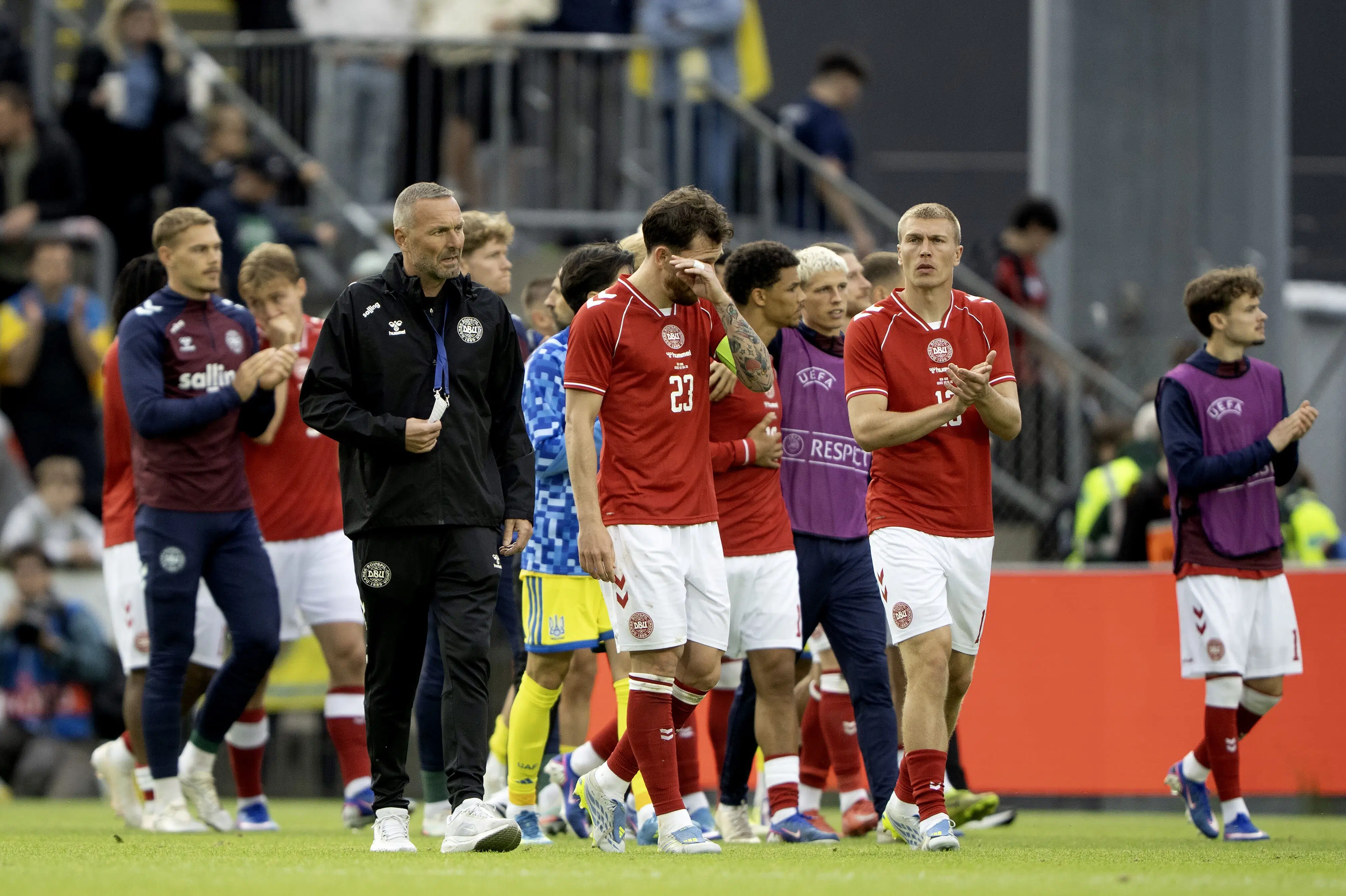
This discussion follows the collapse of Danish footballer Christian Eriksen during a match. Eriksen has an ICD implanted following a previous on-field incident in 2021. While Gislason spoke generally about ICDs and did not comment on Eriksen's specific case, he noted that high heart rates during physical exertion can sometimes trigger an ICD response. The devices are typically checked one to two times annually and can be read after episodes.
As he sees it, the pacemaker is pacing as it should.
DistantNews Editorial
Originally published by Berlingske in Danish. Translated, summarized, and contextualized by our editorial team with added local perspective. Read our editorial standards.
More Stories



From Our Blog

What Gets Lost (and Found) When News Is Translated

The Critical Role of Diaspora Media in Global News

What Travellers Should Know About Countries with Restricted Press

A Digital Nomad's Guide to Following Local News

How the Same Story Looks Different in Different Countries
