


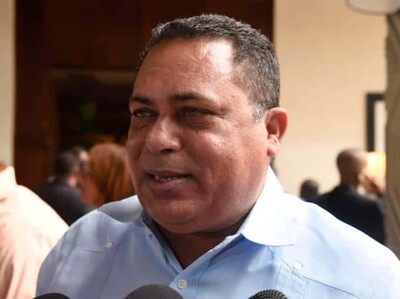
Expert questions new provinces, citing increased state costs
Translated from Spanish, summarized and contextualized by DistantNews.
At a glance
News
Sources not specified
Context piece
- An expert questioned the creation of two new provinces in the Dominican Republic, citing potential increases in public spending and bureaucracy.
- The proposed provinces, Santa Lucía and Matías Ramón Mella, would add new political positions and administrative structures without improving citizen services, according to municipal affairs expert Waldys Taveras.
- Taveras also criticized the current role of provincial governors, deeming their functions outdated and lacking practical purpose in modern governance.
The potential creation of two new provinces in the Dominican Republic faces strong criticism from municipal affairs expert Waldys Taveras, who argues it would unnecessarily inflate public spending and bureaucracy.
Taveras specifically questioned the legislative proposals for Santa Lucía and Matías Ramón Mella provinces. He believes these new demarcations would lead to more government positions and administrative layers, ultimately failing to enhance the quality of services provided to citizens. "They don't have a reason to exist... they will generate greater budgetary spending for the citizenry. I believe this country cannot withstand more large, bad, and expensive state bureaucracy," Taveras stated.
They don't have a reason to exist... they will generate greater budgetary spending for the citizenry. I believe this country cannot withstand more large, bad, and expensive state bureaucracy.
He further elaborated that the establishment of these provinces would necessitate new authorities and political roles, such as senators, deputies, or governors. Taveras contends that the argument for better service management through these new provinces is flawed. The state's primary function is to deliver essential services like water, electricity, health, education, and security, which are managed by the central government. He asserted that regardless of provincial boundaries, citizens needing services will still approach the relevant ministries or regional offices.
Adding to his critique, Taveras also questioned the relevance and function of provincial governors. He described the law establishing governors as "trujillista," a relic from the Trujillo era, whose primary function was to report dissent against the government. He argued that these roles lack any meaningful purpose in the current state structure, as their attributed powers do not directly contribute to public service delivery.
The law that creates governors doesn't make any sense, because it is a trujillista law, which only says that the governor must report to the Secretary of Interior and Police any information about anyone who attacks security, who speaks ill of the Government or officials. After that, it doesn't make any sense.
DistantNews Editorial
Originally published by Diario Libre in Spanish. Translated, summarized, and contextualized by our editorial team with added local perspective. Read our editorial standards.
More Stories
From Our Blog

What Gets Lost (and Found) When News Is Translated

The Critical Role of Diaspora Media in Global News

What Travellers Should Know About Countries with Restricted Press

A Digital Nomad's Guide to Following Local News

How the Same Story Looks Different in Different Countries
