

Expert questions police entry into customs zones in Chile
Translated from Spanish, summarized and contextualized by DistantNews.
At a glance
News
Sources not specified
Context piece
- An expert has called for justification regarding the potential entry of police into customs control areas, as proposed by the government's agenda against organized crime and terrorism.
- The former deputy director of customs inspection highlighted that customs has the authority to inspect goods entering and leaving the country, questioning the legal basis and purpose for police entry.
- He warned that police entry could create institutional tension and duplicated efforts, potentially making the state appear inefficient, and recommended dialogue over imposing the idea.
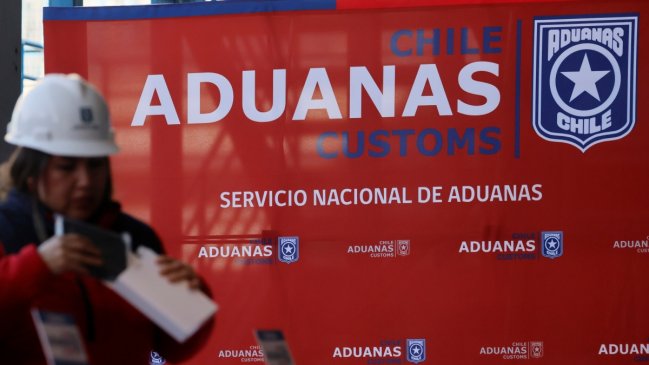
A former high-ranking official in Chile's customs service is questioning the government's proposal to allow police forces into customs-controlled areas. Javier Uribe, ex-deputy director of inspection at the National Customs Service, stated that the rationale behind allowing Carabineros and the PDI into these zones, as part of the government's Organized Crime and Terrorism (ACOT) agenda, needs clear justification.
The Customs is empowered to operate in primary zones, as its Organic Law and the respective ordinance allow it to review and control all merchandise entering and leaving the country.
Uribe emphasized that customs officers are already empowered by law to inspect all goods entering and leaving the country. He pointed out that the specific legal provisions enabling police entry would need to be examined, along with the underlying purpose. "The customs inspection work is very technical, very precise, and requires thorough knowledge, as most of the officials have," he explained in a radio interview.
the customs inspection work is very technical, very precise, and requires thorough knowledge, as most of the officials have.
While acknowledging that customs and police agencies collaborate on criminal investigations, Uribe expressed concern about potential institutional friction and inefficiency. He warned that allowing police into primary customs zones without clear purpose could lead to overlapping actions and institutional tension. "For institutional zeal, I insist that it is very important to know well the scope, the intention, and the purpose of the police entering the primary zones," he said.
For institutional zeal, I insist that it is very important to know well the scope, the intention, and the purpose of the police entering the primary zones.
Uribe recommended a collaborative approach, suggesting that authorities should "sit down to talk and work, and not simply impose an idea, which besides, I don't know if it has a legal basis." The proposal is part of a broader government agenda aimed at combating organized crime and terrorism.
sit down to talk and work, and not simply impose an idea, which besides, I don't know if it has a legal basis.
DistantNews Editorial
Originally published by Cooperativa in Spanish. Translated, summarized, and contextualized by our editorial team with added local perspective. Read our editorial standards.
More Stories

From Our Blog

What Gets Lost (and Found) When News Is Translated

The Critical Role of Diaspora Media in Global News

What Travellers Should Know About Countries with Restricted Press

A Digital Nomad's Guide to Following Local News

How the Same Story Looks Different in Different Countries
