


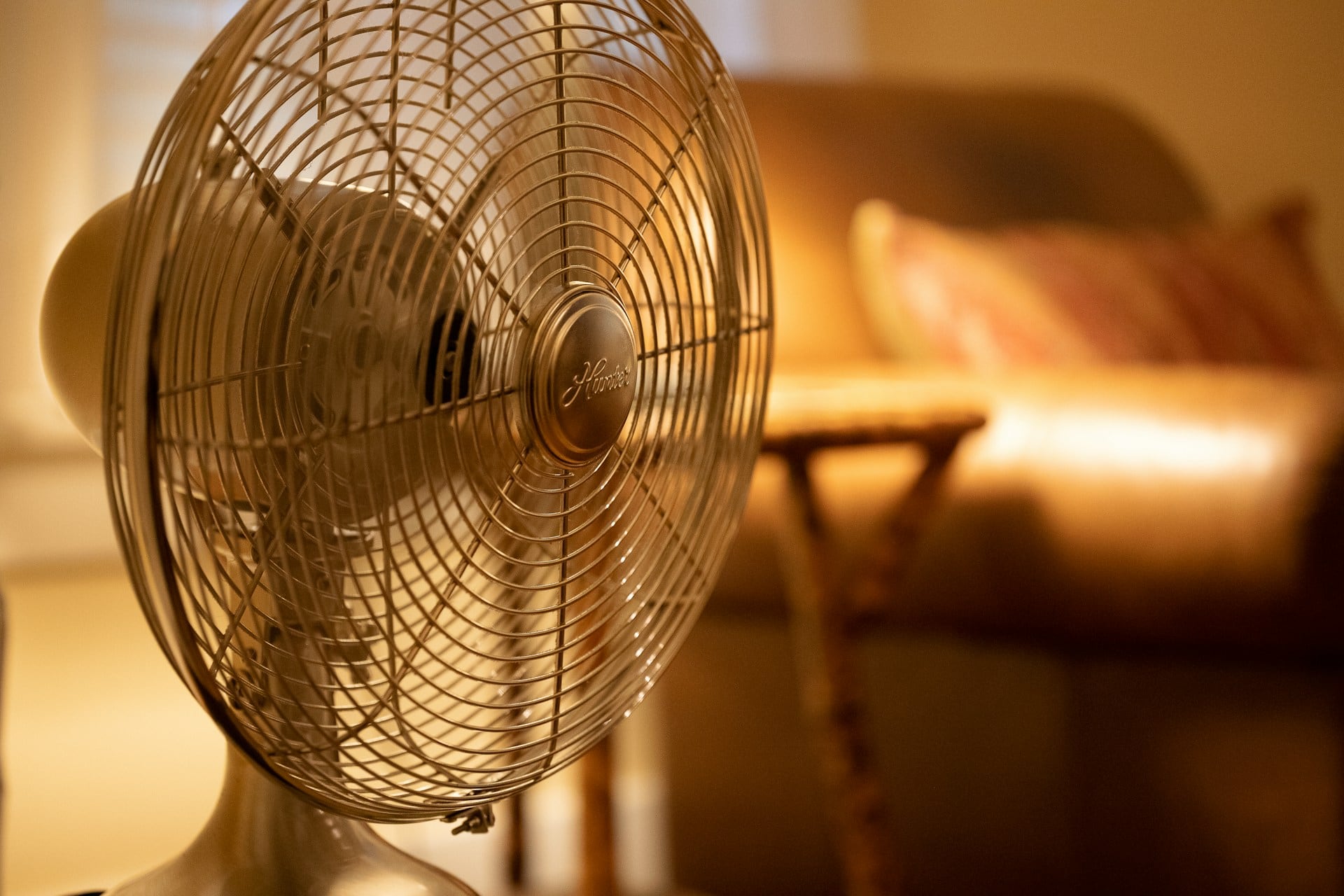
Expert Warning: Fans Can Worsen Heat Overload If Used Incorrectly
Translated from Spanish, summarized and contextualized by DistantNews.
At a glance
News
Official statement
Context piece
- Experts warn that using fans incorrectly during a heatwave can worsen body overheating.
- Fans are only effective when indoor temperatures are below 90°F (32°C) as they circulate existing air.
- The CDC advises monitoring for heat-related illness symptoms and provides a tool to check local heat risk and air quality.
While fans are a common and inexpensive way to cool down at home, experts caution that improper use during hot weather can actually increase body temperature. The Centers for Disease Control and Prevention (CDC) highlights that fans are only effective at cooling when indoor temperatures are below 90 degrees Fahrenheit (32 degrees Celsius).
The CDC explains that fans do not cool the air itself; they merely move it. If the ambient temperature exceeds 90°F, a fan can recirculate hot air, potentially raising body temperature and posing a significant health risk. This is particularly concerning during current heatwaves affecting regions like California, Nevada, and Florida, with Miami experiencing heat index values as high as 108°F (42°C).
Fans are only useful if the temperature inside a house is below 90 degrees Fahrenheit, that is, 32 degrees Celsius.
To mitigate risks, the CDC urges people to recognize symptoms of heat-related illnesses, such as dizziness, nausea, and rapid pulse, which require immediate medical attention. They also recommend avoiding fan use when temperatures are extremely high. Additionally, consumer organizations advise against common mistakes, such as placing fans in ways that don't create effective airflow.
While placing ice or cold water in front of a fan can enhance cooling by absorbing heat from the air, the CDC notes this is not a long-term solution. For those needing to manage heat exposure, the CDC offers a HeatRisk tool on its website. By entering a ZIP code, individuals can access forecasts for temperature and air quality, enabling them to take necessary precautions. The agency emphasizes that vulnerable populations, including those with chronic illnesses, the elderly, infants, and outdoor workers, are at higher risk and should take extra care.
If the ambient temperature exceeds the mentioned figure, a fan could promote the recirculation of hot air in the room and end up increasing body temperature, which represents a significant risk.
DistantNews Editorial
Originally published by La Nación in Spanish. Translated, summarized, and contextualized by our editorial team with added local perspective. Read our editorial standards.
More Stories



From Our Blog

What Gets Lost (and Found) When News Is Translated

The Critical Role of Diaspora Media in Global News

What Travellers Should Know About Countries with Restricted Press

A Digital Nomad's Guide to Following Local News

How the Same Story Looks Different in Different Countries
