

Experts: Social media use, not just screen time, harms sleep before bed
Translated from English, summarized and contextualized by DistantNews.
At a glance
News
Sources not specified
Context piece
- Experts suggest that the way social media is used at night, rather than just screen time, significantly impacts sleep quality.
- Poor sleep is a widespread public health issue, particularly affecting adolescents and young adults, and is linked to various negative health and cognitive outcomes.
- While screen time has been the focus, emerging research indicates that the frequency of social media checks and emotional engagement are more critical factors for sleep disruption.
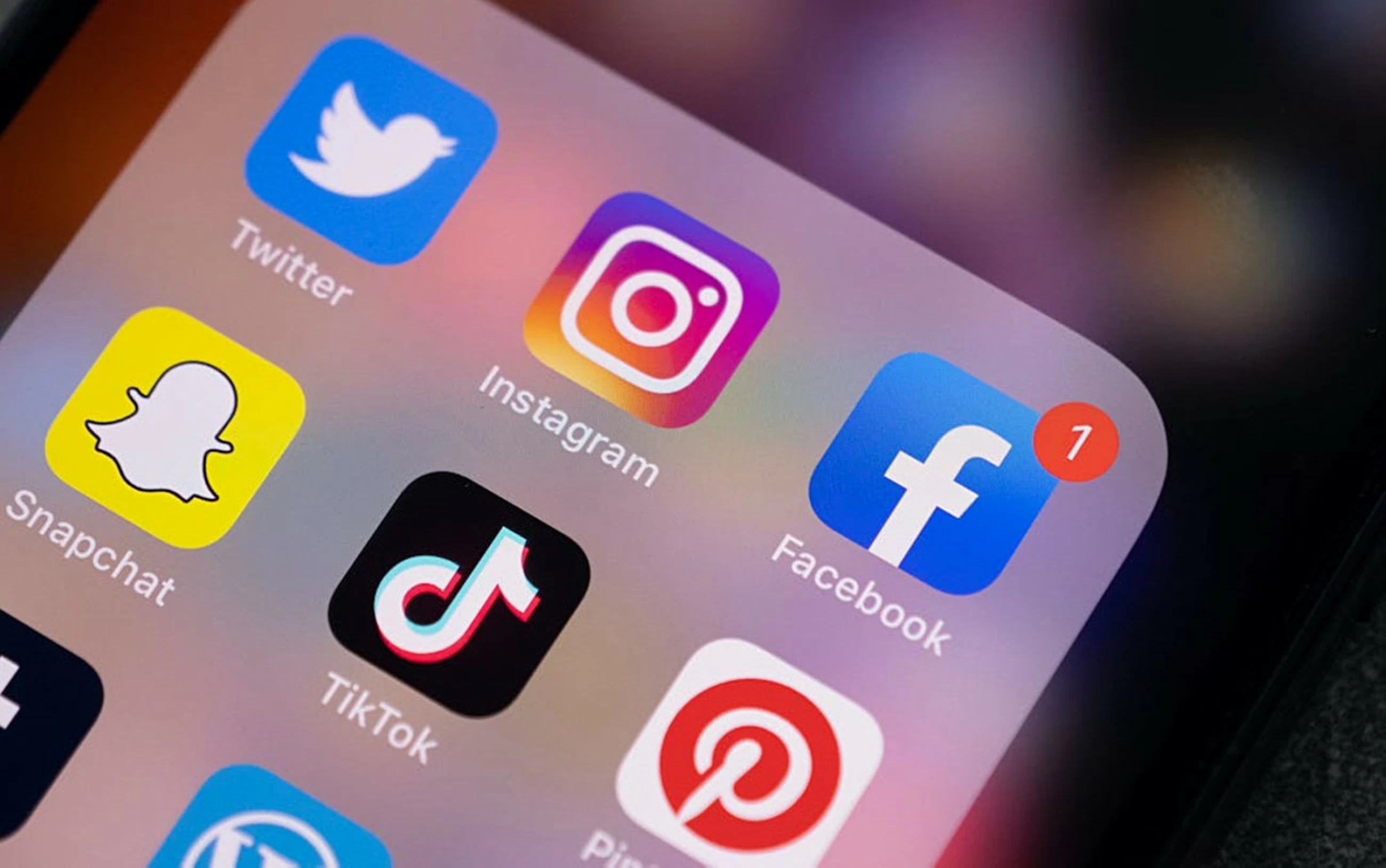
Scrolling through your phone before bed may disrupt your sleep more than you realize, according to experts. The common advice to avoid screens at night might miss the mark. The real issue could be how social media is used, not just the screen time itself.
Sleep deprivation is a major public health concern, especially for young adults and teenagers. Most adolescents fail to get the recommended 8 to 10 hours of sleep, and nearly two-thirds of young adults get less than the required seven to nine hours. This lack of sleep affects more than just tiredness; it's linked to poorer mental health, difficulty regulating emotions, impaired memory, lower academic performance, and an increased risk of chronic illness and early death.
Social media is a daily habit for most young adults, with 84% using at least one platform. Previous research focused on screen time as the primary cause of sleep problems. However, new evidence suggests that the frequency of checking social media and the level of emotional involvement are more significant factors in sleep disruption than the total duration of use.
DistantNews Editorial
Originally published by Gulf Today in English. Translated, summarized, and contextualized by our editorial team with added local perspective. Read our editorial standards.
More Stories


From Our Blog

What Gets Lost (and Found) When News Is Translated

The Critical Role of Diaspora Media in Global News

What Travellers Should Know About Countries with Restricted Press

A Digital Nomad's Guide to Following Local News

How the Same Story Looks Different in Different Countries
