


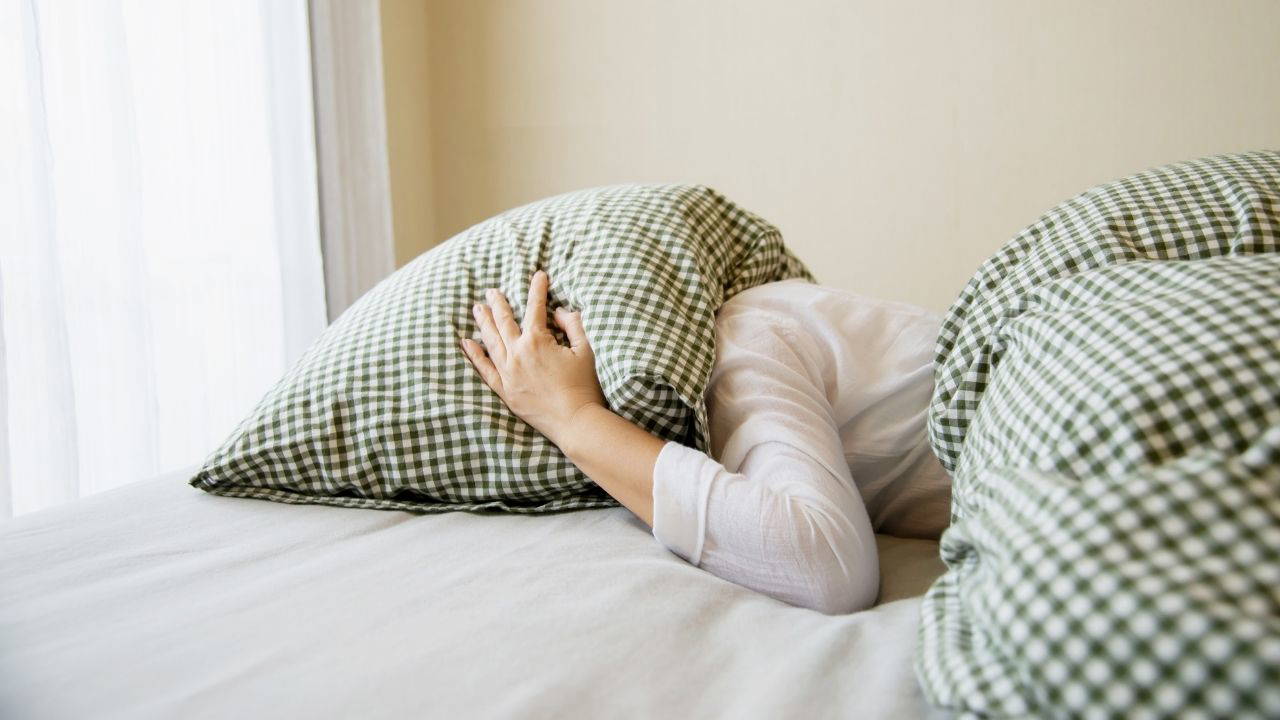
Experts warn against 'sleepcation' trend, citing risks for chronic insomnia sufferers
Translated from Turkish, summarized and contextualized by DistantNews.
At a glance
News
Sources not specified
Context piece
- A trend called 'sleepcation' involves isolating oneself in a hotel room to sleep excessively, aiming to recover from sleep deprivation.
- While beneficial for short-term recovery for those with temporary sleep debt, experts warn it poses significant risks for individuals with chronic insomnia.
- Experts advise sustainable daily habits over extreme methods to combat sleep issues, emphasizing the importance of maintaining natural biological rhythms.
A growing trend known as 'sleepcation' or 'sleep tourism' is gaining traction, particularly among white-collar professionals. This practice involves booking a hotel room and dedicating the entire stay to sleeping, aiming to recover from accumulated sleep deprivation. However, the medical community is divided, with many experts cautioning against its widespread adoption, especially for those suffering from chronic sleep disorders.
The concept of 'sleepcation' emerged around 2014 as a therapeutic tool to enhance professional performance. It typically involves checking into a hotel, blocking out external stimuli, and sleeping for extended periods until feeling rested. This method appeals to individuals feeling mentally and physically drained by their demanding work and personal lives.
Sleep therapist Tracy Hannigan acknowledges that for individuals without persistent sleep issues but who have accumulated a 'sleep debt' due to intense periods, such short breaks can offer temporary relief and rejuvenation. The appeal lies in escaping daily pressures and focusing solely on rest.
However, a significant number of medical professionals, including therapists and neurologists, warn that this trend can be a dangerous trap for individuals with chronic insomnia. They argue that habitually sleeping in comfortable hotel environments outside of one's home can lead to a psychological association of the home bed with sleeplessness. This can worsen the existing clinical condition, as the underlying biological or psychological causes of insomnia remain unaddressed.
Clinical experts advocate for sustainable, integrated daily habits rather than radical or expensive solutions like sleepcations. They emphasize that forcing sleep early or attempting to catch up through extreme measures can disrupt the body's natural circadian rhythm. Instead, they recommend adopting consistent sleep schedules and healthy lifestyle practices to manage sleep issues effectively.
Individuals with chronic insomnia who get used to sleeping in comfortable hotel environments outside their homes run the risk of mentally coding their own beds as 'sleepless areas'.
DistantNews Editorial
Originally published by Cumhuriyet in Turkish. Translated, summarized, and contextualized by our editorial team with added local perspective. Read our editorial standards.
More Stories



From Our Blog

What Gets Lost (and Found) When News Is Translated

The Critical Role of Diaspora Media in Global News

What Travellers Should Know About Countries with Restricted Press

A Digital Nomad's Guide to Following Local News

How the Same Story Looks Different in Different Countries
