


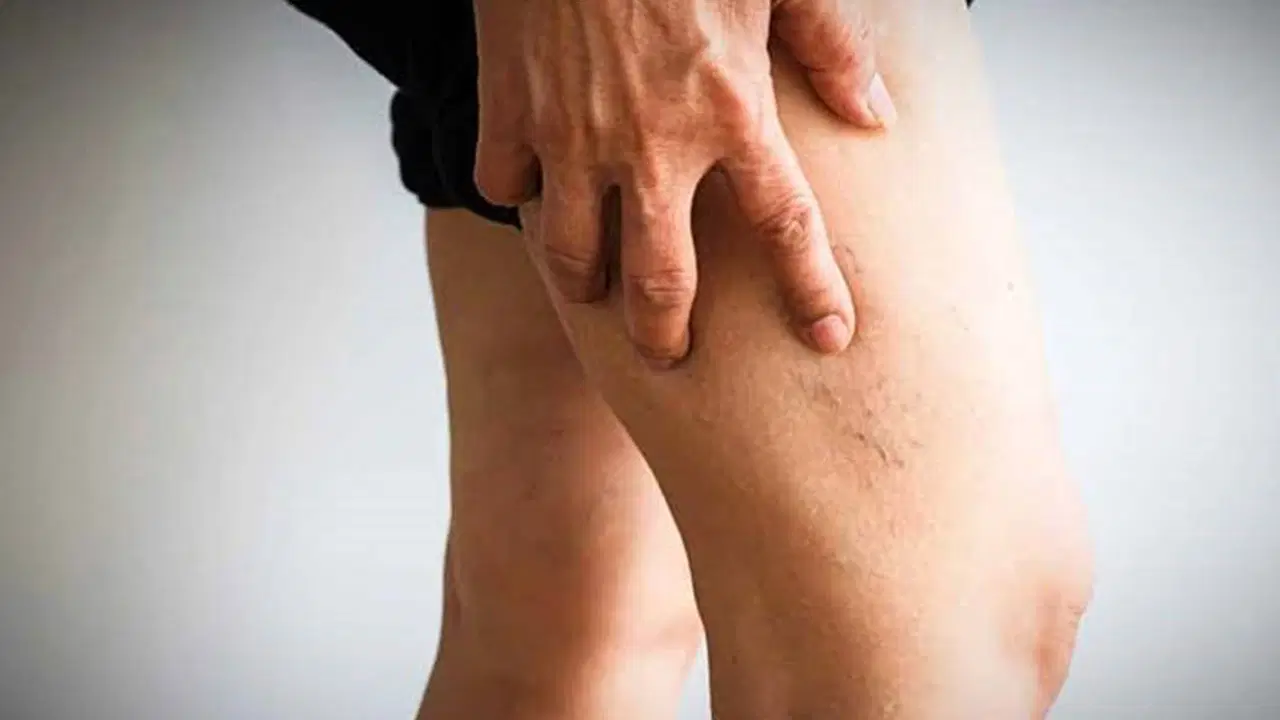
Experts Warn of Blood Clot Risks During Long Journeys; Advise Precautions
Translated from Turkish, summarized and contextualized by DistantNews.
At a glance
News
Named sources
Context piece
- Experts warn of increased risk of deep vein thrombosis and pulmonary embolism during long travel, especially for those with venous insufficiency.
- Simple precautions like staying hydrated, walking every 1-2 hours, and performing leg exercises can mitigate these risks.
- Individuals experiencing leg swelling, redness, or pain after travel should seek medical attention immediately.
As travel increases during the summer months, experts are highlighting the health risks associated with prolonged immobility, particularly concerning vascular health. Dr. Murat İlkar Gelişen, a Cardiovascular Surgeon at Medical Park Ankara Hospital, warns that long journeys exceeding four to five hours on planes, buses, or cars can lead to blood clots in the leg veins, a condition known as deep vein thrombosis (DVT).
While the risk is lower for healthy individuals, those with existing venous insufficiency face a significantly higher danger. Gelişen states that individuals with venous insufficiency are approximately 5.3 times more likely to develop blood clots compared to the general population. He further explains that clots forming in the main deep veins of the legs are termed DVT, while clots in superficial veins are called thrombophlebitis.
For individuals with venous insufficiency, wearing compression stockings during travel is also an effective method.
Certain groups are at a higher risk, including individuals recovering from orthopedic, brain, or abdominal surgeries, cancer patients, women in the postpartum period, and those using hormone therapy or birth control pills. Gelişen advises that if redness, pain, or swelling occurs in the legs during or after a long journey, medical attention should be sought promptly. A dislodged clot can travel to the lungs, causing a pulmonary embolism, a life-threatening condition requiring immediate intervention.
To reduce these risks, Gelişen recommends simple yet effective measures. Travelers should consume plenty of fluids, take short walks for 3-5 minutes every one to two hours, and perform ankle and leg exercises while seated. For individuals with venous insufficiency, wearing compression stockings during travel is also a beneficial practice. He also urges people experiencing leg swelling with prolonged sitting or standing, or those with visible varicose veins, to consult a cardiovascular surgeon, even in the absence of pain or edema.
If redness, pain, and swelling occur in the leg during or after a long journey, one should not wait and should apply to a health institution.
DistantNews Editorial
Originally published by Cumhuriyet in Turkish. Translated, summarized, and contextualized by our editorial team with added local perspective. Read our editorial standards.
More Stories



From Our Blog

What Gets Lost (and Found) When News Is Translated

The Critical Role of Diaspora Media in Global News

What Travellers Should Know About Countries with Restricted Press

A Digital Nomad's Guide to Following Local News

How the Same Story Looks Different in Different Countries
