


Exploring the History of the Kurultai in Steppe Civilization
Translated from English, summarized and contextualized by DistantNews.
At a glance
In-depth
Sources not specified
Context piece
- The Kurultai, an assembly of tribal leaders, has been a defining institution in Eurasian steppe civilizations for centuries.
- It served to settle disputes, legitimize rulers, declare war, and shape political courses in nomadic states.
- The institution evolved from early Saka and Hun assemblies into the highest political body of Turkic and Mongol states, influencing governance through consultation and collective decision-making.
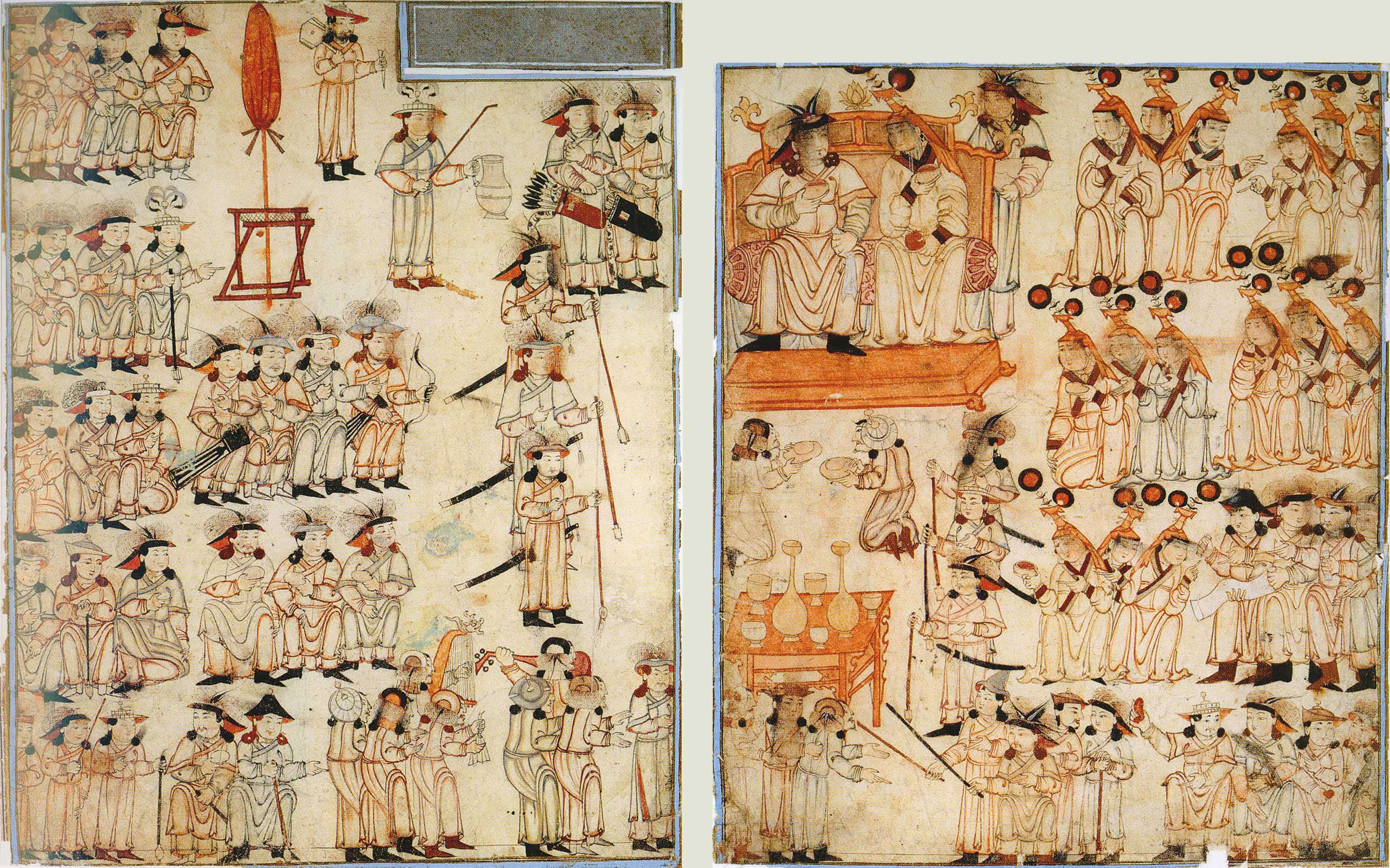
The Kurultai, an assembly of tribal leaders, has historically been a cornerstone of governance across the Eurasian steppe, predating even the Kazakh Khanate. These gatherings were crucial for settling disputes, legitimizing rulers, declaring war, and charting the political direction of nomadic states.
Originating in early nomadic societies like the Saka, Huns, and Wusun, assemblies resembling the Kurultai addressed critical issues such as war and peace, tribal boundaries, resource allocation, and irrigation. The Saka had a "military-democratic" assembly, while the Huns used the Kurultai to integrate diverse tribal interests into a unified political entity.
By the 6th to 8th centuries, during the Turkic Khaganates, the Kurultai solidified its position as the supreme political institution. Its decisions, alongside decrees from the khagan and customary law, formed the basis of law. The assembly held exclusive authority over major decisions, including electing rulers, declaring war, and ratifying international agreements, without which such actions lacked legal validity.
The institution's influence continued to grow under the Mongol Empire in the 13th-14th centuries. The Kurultai played a pivotal role in shaping the traditions of the Kazakh Khanate. A notable example is the 1206 Kurultai near the Onon River, where Temujin was proclaimed Genghis Khan, formally announcing the establishment of the Great Mongol State and confirming his legal code, the Great Yassa.
DistantNews Editorial
Originally published by The Astana Times in English. Translated, summarized, and contextualized by our editorial team with added local perspective. Read our editorial standards.
More Stories



From Our Blog

What Gets Lost (and Found) When News Is Translated

The Critical Role of Diaspora Media in Global News

What Travellers Should Know About Countries with Restricted Press

A Digital Nomad's Guide to Following Local News

How the Same Story Looks Different in Different Countries
