


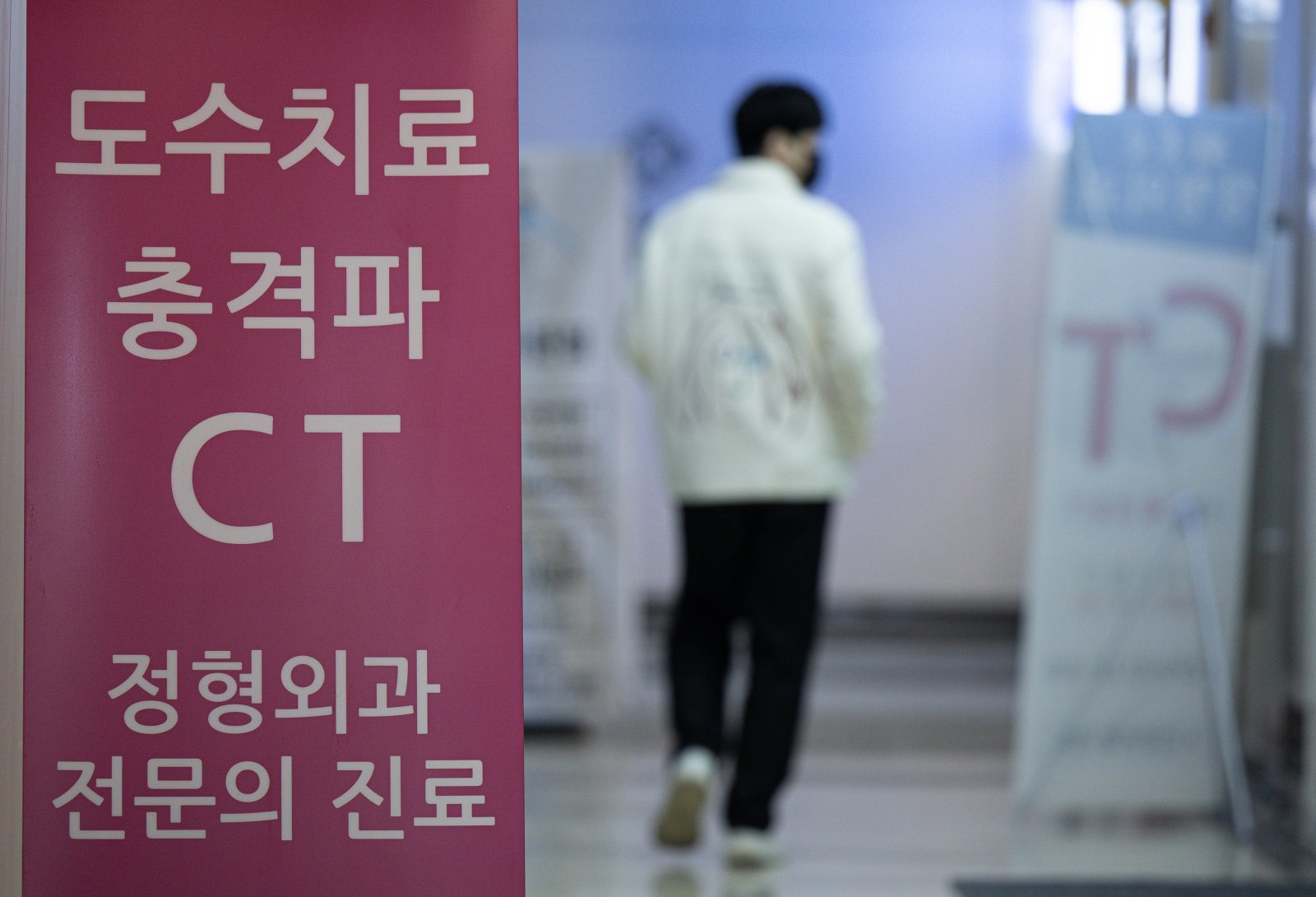
Extracorporeal Shockwave Therapy Limited to '6 Sessions Per Area, 12 Per Year'; Out-of-Pocket Costs Will Apply Beyond Limits
Translated from Korean, summarized and contextualized by DistantNews.
At a glance
News
Named sources
New plan
- Starting July, out-of-pocket payments for extracorporeal shockwave therapy (ESWT) will increase as insurance coverage becomes limited to 6 sessions per area, per year.
- The Ministry of Health and Welfare established guidelines limiting ESWT to once a week, with specific approved treatment areas and contraindications for high-risk patients.
- This move, initiated by the medical community, aims to standardize the use of high-frequency non-covered treatments and guide patients toward appropriate care.
Starting in July, patients undergoing extracorporeal shockwave therapy (ESWT) in South Korea will face stricter limits on insurance coverage, potentially increasing out-of-pocket expenses.
Starting July, the number of times patients can claim private health insurance after receiving non-covered extracorporeal shockwave therapy will be limited to six times per area and 12 times per year.
The Ministry of Health and Welfare announced new guidelines that cap ESWT treatments at six sessions per affected area per year. Any sessions exceeding this limit will not be covered by private health insurance, requiring patients to bear the full cost. The therapy is generally recommended to be administered once a week.
The guidelines also specify seven approved areas for ESWT treatment, including the shoulder, elbow, hip joint, and ankle, for musculoskeletal conditions. While doctors can still prescribe ESWT for other conditions at their discretion, patients must be informed that such treatments will not be eligible for insurance reimbursement.
The principle is to administer extracorporeal shockwave therapy once a week.
Certain conditions are explicitly prohibited for ESWT, such as those with a high risk of bleeding, pregnant individuals, patients with tumors in the treatment area, acute fractures, ruptures, or individuals under 18 with lesions near growth plates.
The treatment areas for extracorporeal shockwave therapy are limited to seven areas for diseases of the shoulder, elbow, hip joint, and ankle.
This initiative marks the first time the medical community has proposed self-regulation for non-covered medical treatments. The Financial Supervisory Service plans to inform policyholders about these guidelines to encourage informed choices regarding treatment methods. A health ministry official stated that the plan is to standardize guidelines for frequently used non-covered items like ESWT.
The extracorporeal shockwave therapy will be prohibited for those with a high risk of bleeding, pregnant women, patients with tumors in the treatment area, acute fractures, ruptures, and those under 18 with lesions near growth plates.
DistantNews Editorial
Originally published by Dong-A Ilbo in Korean. Translated, summarized, and contextualized by our editorial team with added local perspective. Read our editorial standards.
More Stories


From Our Blog

What Gets Lost (and Found) When News Is Translated

The Critical Role of Diaspora Media in Global News

What Travellers Should Know About Countries with Restricted Press

A Digital Nomad's Guide to Following Local News

How the Same Story Looks Different in Different Countries
