


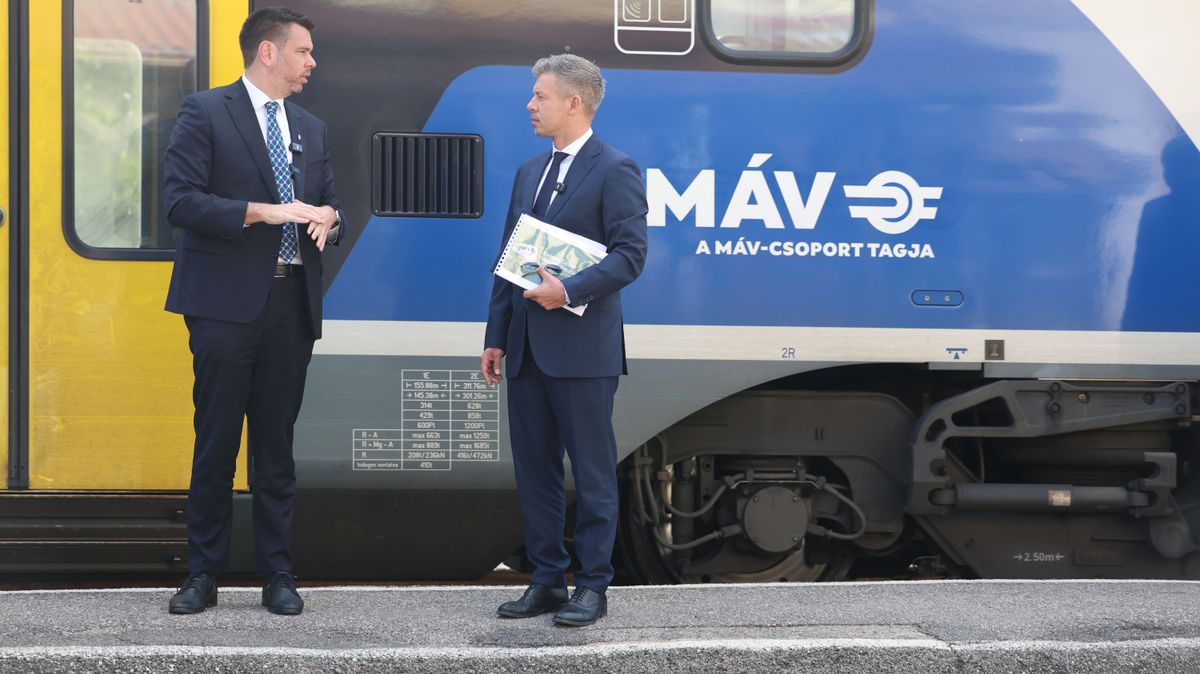
Facebook Governance: Vitézy Dávid Promised What Lázár János Already Handled
Translated from Hungarian, summarized and contextualized by DistantNews.
At a glance
News
Named sources
Context piece
- Hungarian Minister of Transport Vitézy Dávid is accused of promising developments already initiated by the previous government.
- Promises include new buses and the restart of main inspections for IC and sleeping cars at the Dunakeszi vehicle repair plant.
- Employees and sources suggest these activities were ongoing, with changes mainly in capacity and organization rather than a true 'restart'.
Hungarian Minister of Transport Vitézy Dávid faces accusations of making development promises that were already set in motion by the previous government. Critics point to his recent announcements regarding new buses and the supposed restart of main inspections for InterCity and sleeping cars at the MÁV vehicle repair plant in Dunakeszi.
According to the report, a significant portion of the promised new buses had already been ordered. Similarly, regarding the Dunakeszi repair plant, Vitézy Dávid posted that the main inspections for IC and sleeping cars had restarted, framing it as a revival of the facility after the previous government allegedly led it to bankruptcy. However, employees at the plant and other sources suggest that these activities never actually stopped. Instead, the work continued, albeit potentially with different pacing and organizational structures.
This situation echoes a previous announcement by the minister about the restart of these inspections. An analysis by Economix highlighted that the minister's post sparked debate, with a plant worker stating that the main inspections had been continuously ongoing. An index source corroborated that production and main inspections had not ceased, though supply chain and parts procurement became more challenging due to the Russia-Ukraine war and EU sanctions. The context also involves the restructuring of a large international contractual project after the exclusion of Russian Transmashholding.
The core of the discrepancy lies in the definition of a 'restart.' While political communication frames these as new beginnings, those working in the plant maintain that the operations were continuous, with adjustments in capacity and conditions. This communication strategy is also seen in the recent presentation of the Baross Gábor Railway Development Plan, which critics argue relies heavily on self-promotion and the appropriation of others' work.
DistantNews Editorial
Originally published by Magyar Nemzet in Hungarian. Translated, summarized, and contextualized by our editorial team with added local perspective. Read our editorial standards.
More Stories

From Our Blog

Countries Without a Free Press: What You Need to Know

What Press Freedom Means for the News You Read

What Gets Lost (and Found) When News Is Translated

The Critical Role of Diaspora Media in Global News

What Travellers Should Know About Countries with Restricted Press
