

Facing Economic Pressure, Iran Boasts Shift from Defensive to Offensive Military Posture
Summarized and contextualized by DistantNews.
At a glance
News
Named sources
New plan
- Iran condemned new U.S. sanctions as violations of international sovereignty and economic warfare.
- The Iranian army announced a shift in military doctrine from defensive to offensive postures.
- The army also proposed financial rewards for capturing or killing U.S. troops during a potential ground incursion.
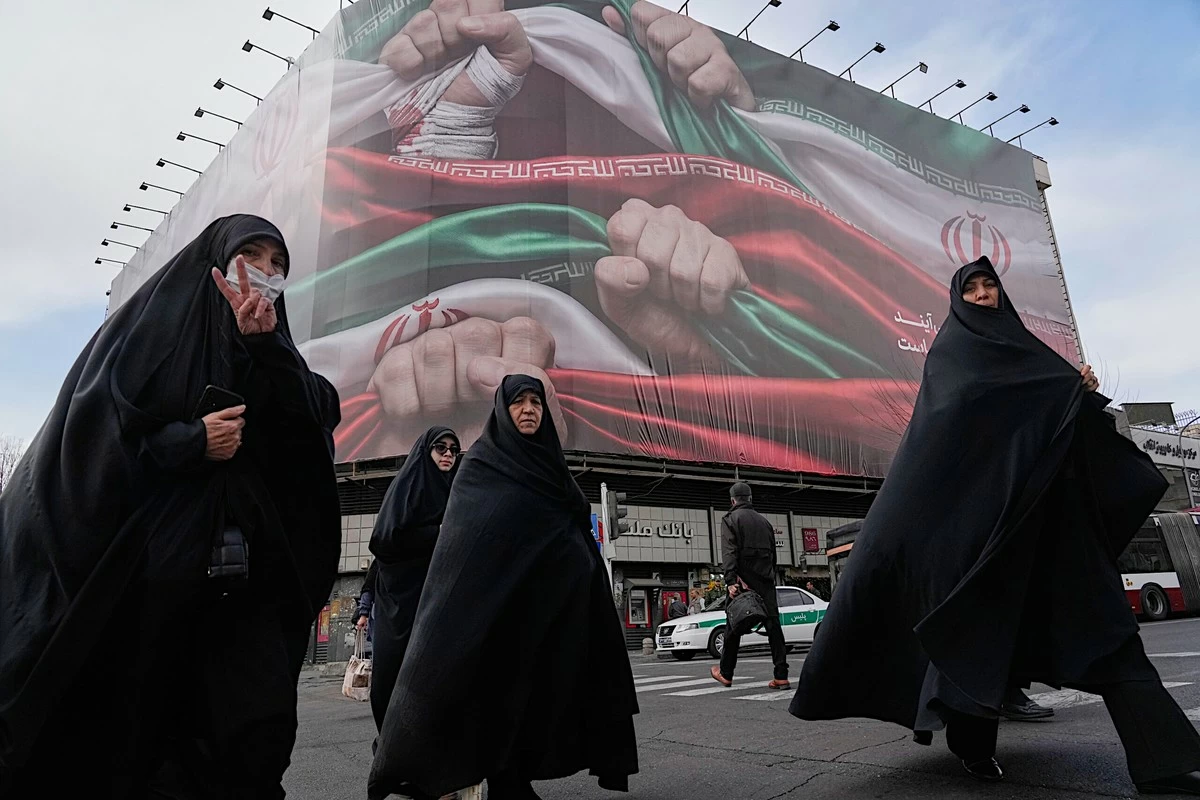
Iran has sharply condemned the latest U.S. sanctions, labeling them as exceeding economic pressure and violating international sovereignty. Foreign Ministry spokesman Esmail Baghaei stated on X that the measures attempt to impose Washington's authority over other nations and that secondary sanctions infringe upon the principle of sovereign equality among states. He cautioned that widespread compliance could erode the sovereignty of UN member states, leading to a return to "classic colonialism."
Our country’s military doctrine was defensive in the past, but gradually during these two wars, we witnessed the military doctrine moving from a defensive posture toward an offensive one.
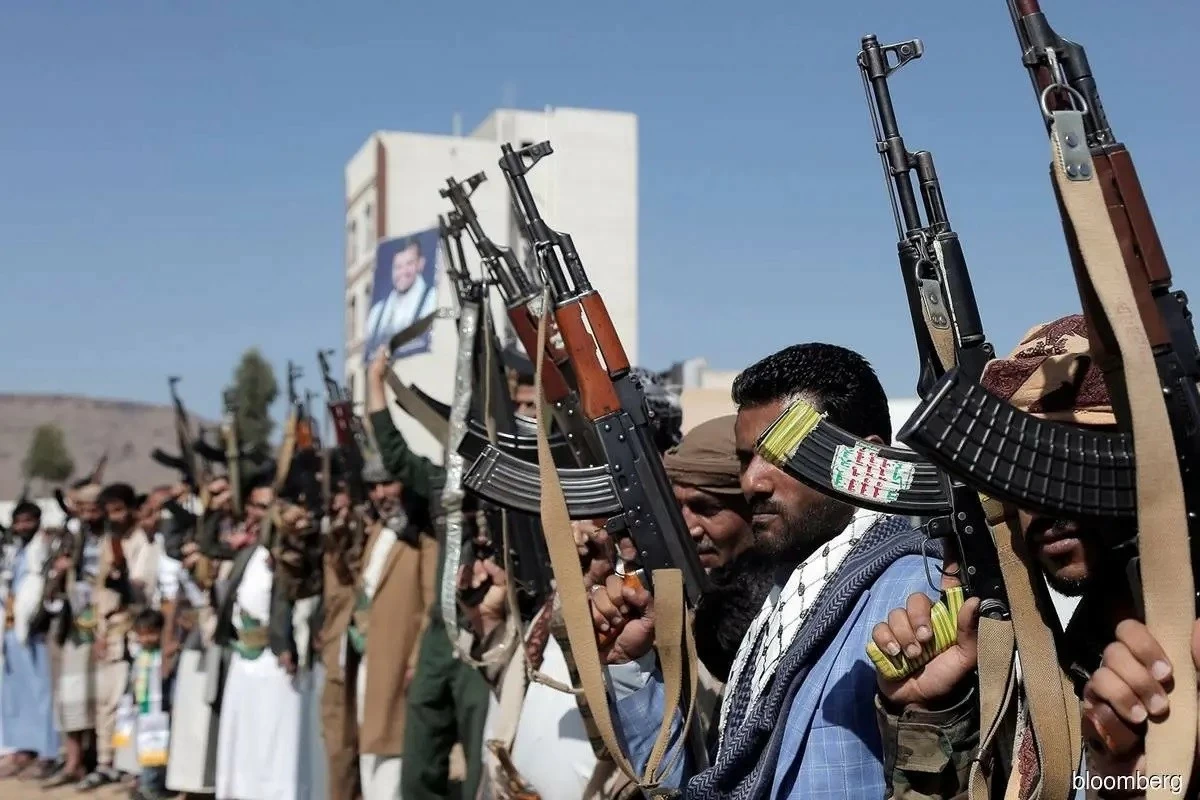
In a separate development, the Iranian army announced a significant shift in its military doctrine, moving from a defensive to an offensive posture. Brigadier General Mohammad Akraminia, army spokesman, told IRNA that this change occurred gradually during recent conflicts, resulting in more rapid and broader responses to attacks, including preemptive operations.
Furthermore, the army has devised a plan offering financial rewards for the capture or killing of U.S. troops in the event of a ground incursion. Rewards of 5 billion tomans (approximately $26,000) are offered for killing or capturing U.S. troops, with the amount doubling to 10 billion tomans (approximately $53,000) if carried out by a woman. The army also plans to purchase the weapon used for twice its value, preserve it in a museum, and provide the individual with a replacement weapon.
Our country’s military doctrine was defensive in the past, but gradually during these two wars, we witnessed the military doctrine moving from a defensive posture toward an offensive one.
Akraminia also claimed a sharp decline in U.S. influence in the region, citing a new defense and security mechanism established by Saudi Arabia, Türkiye, and Pakistan independently of Washington. He described this as the first regional defense and security mechanism without U.S. participation, indicating a shift in regional power dynamics.
Our country’s military doctrine was defensive in the past, but gradually during these two wars, we witnessed the military doctrine moving from a defensive posture toward an offensive one.
DistantNews Editorial
Originally published by Arab Times. Summarized and contextualized by our editorial team with added local perspective. Read our editorial standards.
More Stories



From Our Blog

What Gets Lost (and Found) When News Is Translated

The Critical Role of Diaspora Media in Global News

What Travellers Should Know About Countries with Restricted Press

A Digital Nomad's Guide to Following Local News

How the Same Story Looks Different in Different Countries
