

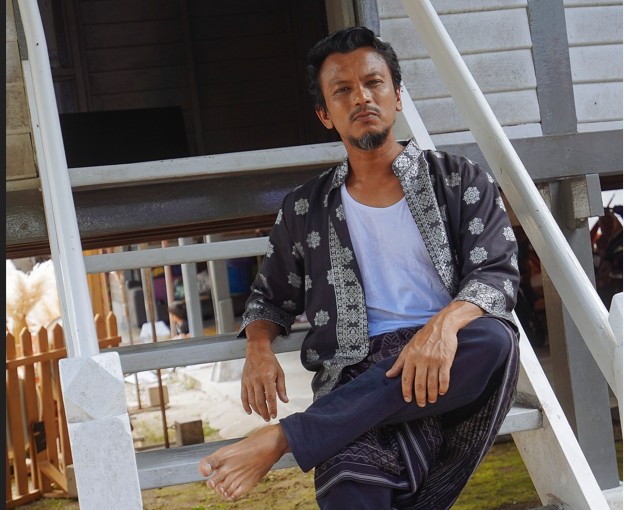
Faizal Tahir finds peace in gardening and horseback riding
Translated from Malay, summarized and contextualized by DistantNews.
At a glance
In-depth
Sources not specified
Context piece
- Malaysian singer-songwriter Faizal Tahir finds solace and perspective through gardening and horseback riding.
- He believes connecting with nature fosters humility and a deeper understanding of life and humanity's origins from the earth.
- Tahir views these activities as essential needs, not mere hobbies, helping him balance his busy entertainment career.
For two decades, Faizal Tahir has navigated the bustling entertainment industry, but the renowned singer and composer now finds his greatest peace in the tranquility of nature. Far from just an escape from his artistic endeavors, Tahir sees gardening and horseback riding as vital components of his life.
I truly believe in the concept of being kind to the soil. As Muslims, we believe humans are made from earth, and this is mentioned in the Quran. So, I feel there's a very strong connection between humans and the earth.
As a father of seven, Tahir explains that immersing himself in nature provides a space for introspection, humility, and a profound understanding of the human condition. He firmly believes in the deep connection between people and the earth, citing Islamic teachings that humans are created from soil and will eventually return to it. "I truly believe in the concept of being kind to the soil," Tahir stated. "As Muslims, we believe humans are made from earth, and this is mentioned in the Quran. So, I feel there's a very strong connection between humans and the earth."
This connection, he says, is a way to practice humility and avoid arrogance. "One day we will die, our bodies will decompose and become part of the earth. From that earth, trees will grow, producing fruits for humans and animals to eat," he reflected. "Thinking about this makes me more aware of the relationship between humans and nature. The first man, Prophet Adam, also farmed after descending to earth. The Quran also frequently mentions the earth as a source of sustenance for humanity."
One day we will die, our bodies will decompose and become part of the earth. From that earth, trees will grow, producing fruits for humans and animals to eat. Thinking about this makes me more aware of the relationship between humans and nature.
While Tahir hasn't undertaken large-scale farming, he seizes every opportunity to plant, whether at home or on friends' land. He openly admits that many of his plants have died, viewing these failures as crucial learning experiences. "Interest alone is not enough without knowledge and dedication," he noted.
The first man, Prophet Adam, also farmed after descending to earth. The Quran also frequently mentions the earth as a source of sustenance for humanity.
Horseback riding is equally significant for Tahir. He prefers to call his engagement with nature and animals a "necessity" rather than a "hobby." "I prefer to use the word necessity over hobby," he said. "Gardening and being with animals are a necessity for me. I believe every human actually needs a connection with nature. That's why I can find balance in life because I don't consider these things just a hobby. If something is just a hobby, we can leave it when we get busy with work. But when I consider it a necessity, I know I need it and can't find excuses to leave it."
Interest alone is not enough without knowledge and dedication.
DistantNews Editorial
Originally published by Utusan Malaysia in Malay. Translated, summarized, and contextualized by our editorial team with added local perspective. Read our editorial standards.
More Stories
From Our Blog

What Gets Lost (and Found) When News Is Translated

The Critical Role of Diaspora Media in Global News

What Travellers Should Know About Countries with Restricted Press

A Digital Nomad's Guide to Following Local News

How the Same Story Looks Different in Different Countries
