


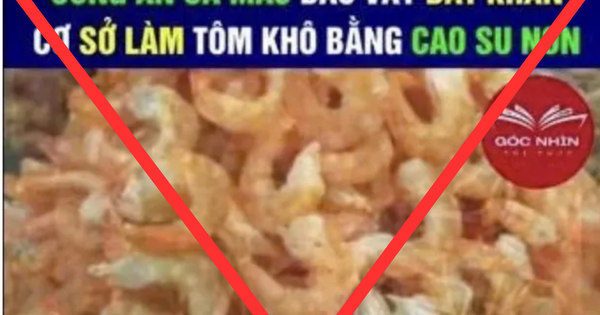
Fake News About Cà Mau Dried Shrimp Causes Lingering Damage
Translated from Vietnamese, summarized and contextualized by DistantNews.
At a glance
News
Named sources
Outcome reported
- Authorities in Vietnam's Cà Mau province summoned an individual for spreading fake news about dried shrimp being made from rubber.
- The fabricated video, which claimed the local specialty was made from non-vulcanized rubber, has been removed, but significant damage to trust and livelihoods remains.
- Readers expressed concern that such food-related misinformation is particularly damaging, eroding consumer confidence and harming local economies.
An individual in Vietnam's Cà Mau province has been summoned by authorities for disseminating false information online, specifically a fabricated video claiming the region's famous dried shrimp is made from non-vulcanized rubber. Although the video has since been removed, the spread of this misinformation has inflicted considerable damage on consumer trust and the livelihoods of local producers.
The buyer can explain, the authorities can verify, but the consumer's mind already has a "blemish." Fake news about food is therefore much more dangerous than other fake news; it not only makes people misunderstand, but makes people afraid. Once buyers are afraid, they will avoid the entire product group.
Readers of Thanh Niên newspaper voiced strong concerns about the destructive impact of fake news, particularly in the food sector. They noted that terms like "rubber," "chemicals," or "toxic" can trigger immediate consumer avoidance, even if the claims are later debunked. The initial fear and doubt planted in consumers' minds are difficult to erase, leading them to shun entire product categories.
Commenters highlighted that such misinformation is more dangerous than other types of fake news because it instills fear, not just misunderstanding. This fear directly impacts sales, damages the reputation of local products, and erodes the fragile trust essential for food consumption. The distinction between responsible warnings and sensationalized, baseless claims was emphasized, with a call for accountability for those who spread damaging falsehoods.
In a house with small children, I am very sensitive to news about food. If I see any information saying that a dish is fake, contains chemicals or strange substances, the first reaction is to avoid it immediately. I think many consumers are the same, no one wants to risk their family's health. Therefore, the person posting false information about food causes more harm than they think.
The sophistication of the fake news creators was also noted, with one reader pointing out that cleverly edited videos, combining partial truths with false narratives, are particularly convincing. Even after the content is removed and apologies are made, the lingering suspicion among customers can take a long time to dissipate. The article underscores that local specialties often depend on trust, and sensationalized falsehoods can severely undermine this foundation.
A false clip that is cleverly staged is much more dangerous than a status that speaks nonsense. Viewers see illustrative images, see editing, see the product being squeezed and stretched, and then hear explanations that are half true and half false, and they believe it immediately.
DistantNews Editorial
Originally published by Thanh Niên in Vietnamese. Translated, summarized, and contextualized by our editorial team with added local perspective. Read our editorial standards.
More Stories

From Our Blog

What Gets Lost (and Found) When News Is Translated

The Critical Role of Diaspora Media in Global News

What Travellers Should Know About Countries with Restricted Press

A Digital Nomad's Guide to Following Local News

How the Same Story Looks Different in Different Countries
