


Fake News Fuels Insecurity in Nigeria, Information Minister Warns
Translated from English, summarized and contextualized by DistantNews.
At a glance
News
Named sources
Context piece
- Nigeria's Information Minister, Mohammed Idris, warned that fake news and hate speech are exploited by criminals to fuel insecurity and undermine national unity.
- He stressed that security requires a whole-of-society approach, involving citizens, communities, and institutions working together.
- Idris highlighted the government's comprehensive strategy to restore peace in the South-East, including military operations, policing, economic development, and combating misinformation.
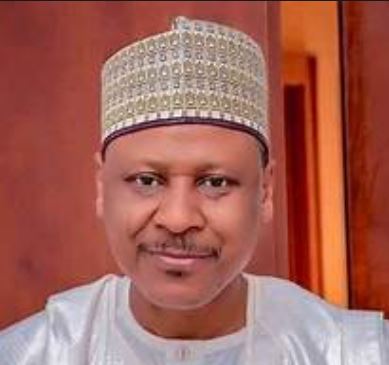
Nigeria's Minister of Information and National Orientation, Mohammed Idris, has issued a stark warning that fake news, misinformation, and hate speech are increasingly weaponized by criminal elements to exacerbate insecurity and fracture national unity. He emphasized that these challenges are no longer confined to physical battlefields but are actively waged in the information space.
Security cannot be delivered by government alone. It requires a whole-of-government and whole-of-society approach where institutions, communities and citizens work together with a shared sense of purpose.
Speaking at the South-East Regional Security Summit in Umuahia, Abia State, Idris underscored the necessity of a comprehensive "whole-of-society" approach to security. He stated that effective security cannot be solely the domain of the government and its agencies but requires a collaborative effort from citizens, communities, traditional institutions, and the media, all united by a shared purpose.
Modern security challenges were no longer fought only on the battlefield but also in the information space.
Idris reiterated the Federal Government's commitment to restoring peace and security in the South-East, a region he described as known for its enterprise and resilience. He outlined President Bola Tinubu's administration's multi-faceted security strategy, which integrates military operations, intelligence-led policing, judicial reforms, economic development initiatives, and strategic partnerships. The minister noted ongoing investments in infrastructure and programs like the Nigerian Education Loan Fund (NELFUND) as crucial components aimed at stimulating economic growth and reducing vulnerability to crime and extremism.
Criminal groups are increasingly exploiting misinformation, disinformation and hate speech to spread fear, divide communities and weaken national cohesion.
The minister specifically addressed the role of misinformation, warning that false narratives spread on social media can incite panic, erode public trust, and inadvertently strengthen criminal networks. He urged stakeholders to recognize that security and development are intrinsically linked, with economic opportunities and access to education playing vital roles in preventing crime and extremism.
Security and development were interconnected, arguing that communities with access to infrastructure, education, employment and economic opportunities were less vulnerable to crime and extremism.
DistantNews Editorial
Originally published by Vanguard in English. Translated, summarized, and contextualized by our editorial team with added local perspective. Read our editorial standards.
More Stories


From Our Blog

How the Same Story Looks Different in Different Countries

What Gets Lost (and Found) When News Is Translated

The Critical Role of Diaspora Media in Global News

What Travellers Should Know About Countries with Restricted Press

A Digital Nomad's Guide to Following Local News
