


Fall in oil price may show at the pump - but normality is far off
Translated from Danish, summarized and contextualized by DistantNews.
At a glance
News
Sources not specified
New plan
- Oil prices dropped significantly following reports of a framework agreement to end the conflict in Iran, with Brent crude falling about 5.3% to $82.7 per barrel.
- While falling oil prices lead to lower gasoline and diesel costs, taxes constitute about half of the fuel price, meaning consumer prices do not decrease proportionally.
- Experts predict a lengthy normalization period for energy markets, as oil prices remain higher than pre-conflict levels, global supply is affected by the Hormuz Strait's status, and Middle Eastern infrastructure needs rebuilding.
Oil prices saw a notable decline on Monday, reacting to news of a framework agreement aimed at concluding the war in Iran. Brent crude futures fell approximately 5.3%, settling around $82.7 per barrel. This drop follows a period of volatility where prices had surged, peaking near $120 per barrel after the conflict began, compared to pre-conflict levels of around $70.
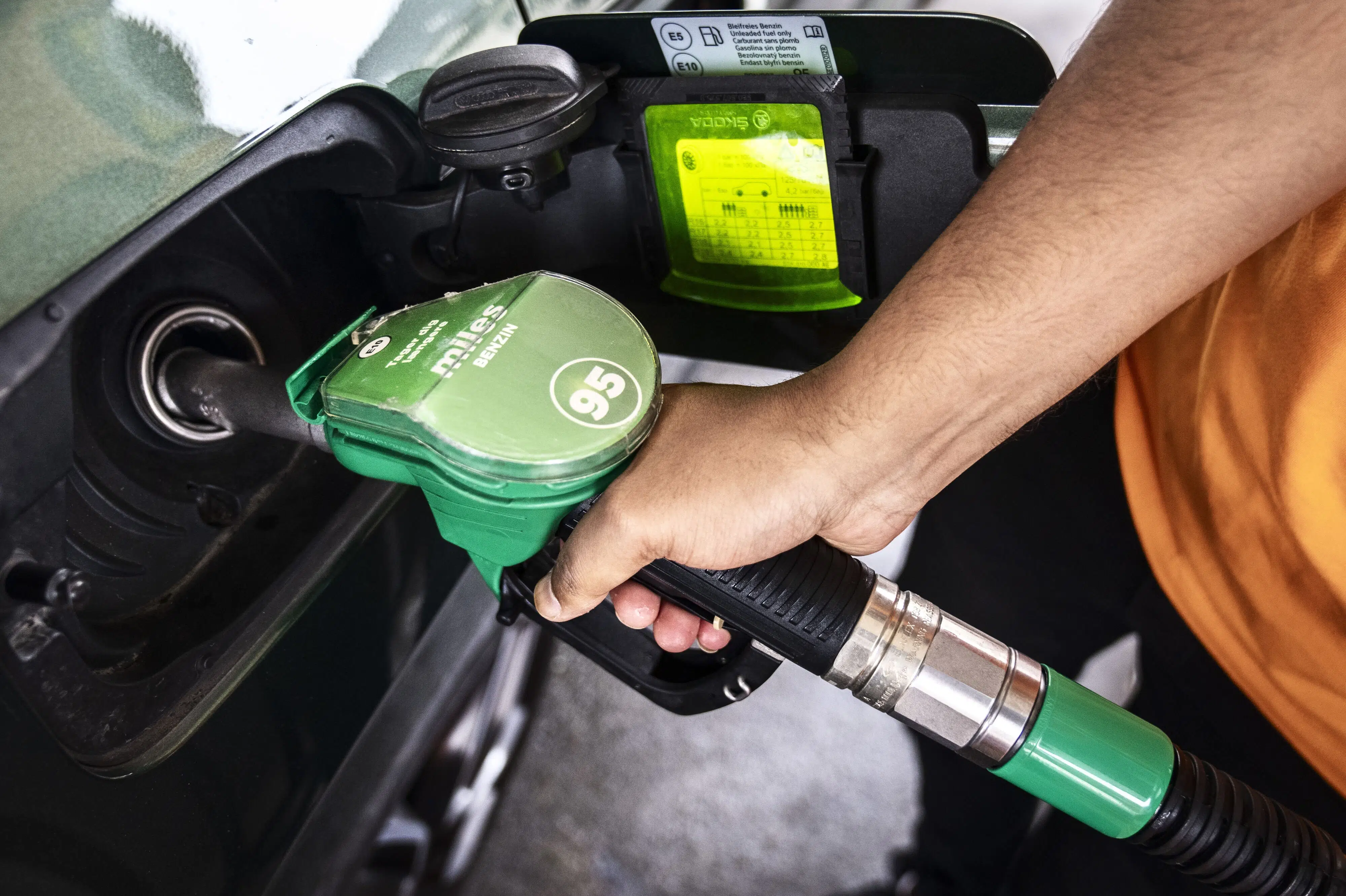
Consumers may see lower prices at the pump, but the reduction in gasoline and diesel costs will not mirror the oil price drop. Ilyas Dogru, a consumer economist at the FDM automobile association, explained that taxes account for roughly half of the price at the pump. Therefore, a 10% decrease in oil prices does not translate to a 10% decrease in fuel costs.
When the oil price falls by, for example, ten percent, it does not mean that fuel prices also fall by ten percent.
Dogru noted that while gasoline and diesel prices fell by 20 øre on Monday, this was due to oil price reductions from the previous week. The impact of the weekend's agreement is expected to be reflected at gas stations on Tuesday. The conflict, which began on February 28th with a U.S. and Israeli attack on Iran, led Iran to restrict shipping through the vital Hormuz Strait, impacting approximately 20% of global oil transit.
In today, Monday, gasoline and diesel fell by 20 øre, but it was not because of the agreement. It was a fall in the oil price that came last week. So the fall in the oil price we saw over the weekend will probably be reflected at the gas station tomorrow, Tuesday.
Despite the positive news, Dogru cautioned that a full return to pre-war price levels will take time. He cited three main reasons: oil prices remain higher than before the conflict, global oil supply is still constrained due to issues with the Hormuz Strait, and significant infrastructure in the Middle East has been damaged and requires extensive rebuilding. Furthermore, the specifics of the agreement remain unclear, and any potential fees for passage through the strait could ultimately be borne by consumers.
Jan Bylov, an energy strategist at Jyske Bank, echoed these sentiments in an analysis, emphasizing that an open Hormuz Strait is paramount for energy markets. However, uncertainty persists regarding the precise definition of "open" and whether Iran retains specific rights. Consequently, Bylov anticipates a prolonged normalization process, with the bank maintaining a third-quarter forecast of $93 per barrel.
The most important thing for the energy markets is an open Hormuz Strait.
DistantNews Editorial
Originally published by Berlingske in Danish. Translated, summarized, and contextualized by our editorial team with added local perspective. Read our editorial standards.
More Stories



From Our Blog

What Gets Lost (and Found) When News Is Translated

The Critical Role of Diaspora Media in Global News

What Travellers Should Know About Countries with Restricted Press

A Digital Nomad's Guide to Following Local News

How the Same Story Looks Different in Different Countries
