


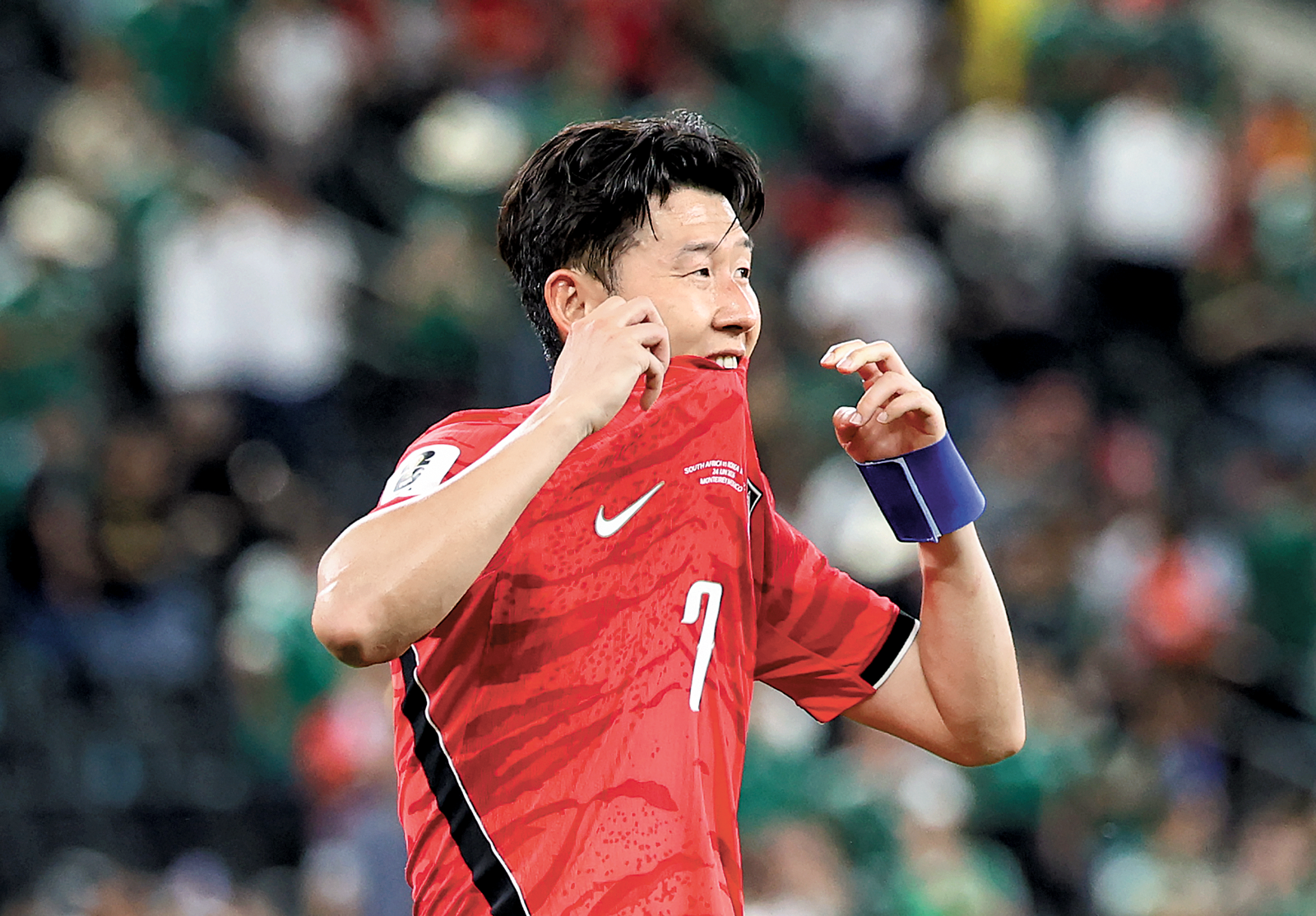
Fallen World Cup Heroes: South Korea's Shattered Self-Portrait
Translated from Korean, summarized and contextualized by DistantNews.
At a glance
Analysis
Sources not specified
Outcome reported
- The South Korean men's national football team failed to qualify for the 2026 World Cup, a shocking result given the expanded tournament format.
- Despite having star players like Son Heung-min, Lee Kang-in, and Kim Min-jae, the team underperformed significantly.
- The failure is seen as a reflection of broader societal issues beyond just football.
The era of footballing heroes is falling, leaving a somber reflection of society itself. The South Korean men's national football team's failure to qualify for the 2026 World Cup, despite an expanded 48-team format, marks a significant setback. This outcome is particularly shocking as it represents a decline from the previous tournament's Round of 16, effectively equaling the impact of failing to reach the main stage in prior formats.
The team boasted an unprecedented lineup of talent, including global stars like Son Heung-min of LA FC, playmaker Lee Kang-in of Paris Saint-Germain, and stalwart defender Kim Min-jae of Bayern Munich. Yet, under the guidance of coach Hong Myung-bo, this seemingly formidable squad lost its way, ultimately crashing and burning.
The disappointment extends beyond the pitch, with the article suggesting the team's struggles mirror a broader societal malaise. The inability to achieve success, despite exceptional individual capabilities and the fervent hopes of the nation, is presented as a tragic self-portrait of Korean society. The narrative implies that the team's downfall was not solely due to external pressures but also internal issues that led to its fragmentation.
DistantNews Editorial
Originally published by Dong-A Ilbo in Korean. Translated, summarized, and contextualized by our editorial team with added local perspective. Read our editorial standards.
More Stories


From Our Blog

What Gets Lost (and Found) When News Is Translated

The Critical Role of Diaspora Media in Global News

What Travellers Should Know About Countries with Restricted Press

A Digital Nomad's Guide to Following Local News

How the Same Story Looks Different in Different Countries
