


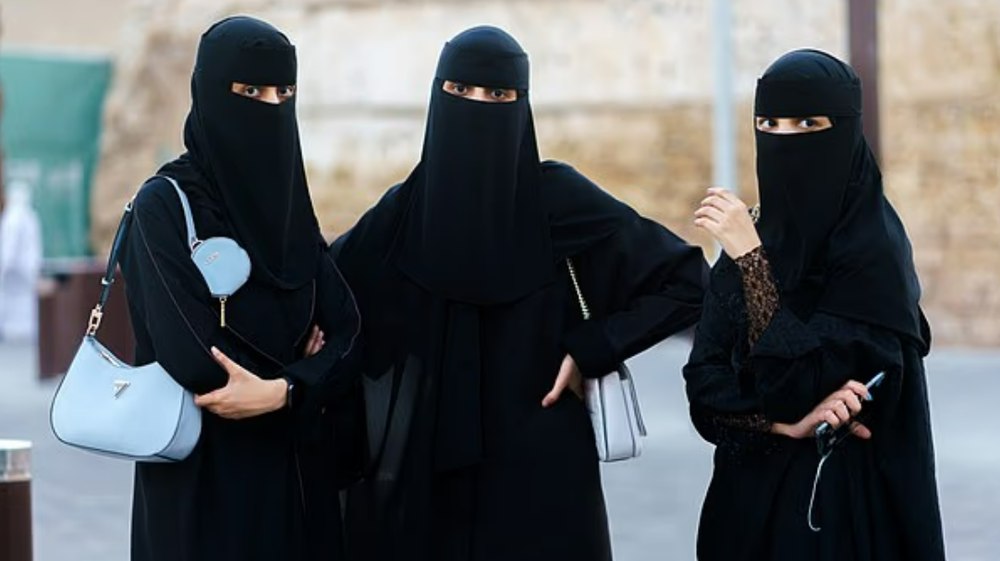
Famous tourist destination wants to ban burqa and niqab in public spaces. Fines up to tens of thousands of euros and jail time
Translated from Romanian, summarized and contextualized by DistantNews.
At a glance
News
Named sources
Under investigation
- The Balearic Islands parliament is debating a bill that could ban the burqa and niqab in public spaces.
- The proposal, supported by right-wing parties Vox and PP, includes fines up to 25,000 pounds and prison sentences for forcing women to wear the garments.
- Opponents criticize the bill as racist and politically motivated, while proponents argue it defends women's dignity and public security.
The Parliament of the Balearic Islands is considering a bill that could lead to a complete ban on wearing burqas and niqabs in public spaces. The initiative, backed by the right-wing Vox party and the People's Party (PP), proposes fines of up to 25,000 pounds for repeat offenders and severe penalties, including prison sentences, for those who compel women to wear these garments.
The legislative proposal has sparked significant controversy. Vox and PP argue the measure is necessary to protect women's dignity and public security. They contend that allowing these garments represents a "medieval regression" and that Islamic practices "denigrating women" have no place in Spanish society. Vox deputy Manuela Cañadas stated that the veil is an instrument for erasing personality and civil existence, symbolizing "submission and subjugation."
Conversely, left-wing parties have denounced the bill as racist and politically motivated. They argue that it infringes upon religious freedom and unfairly targets Muslim women. Cañadas criticized these opposing parties as "hypocritical and false feminists," asserting that the ban is not discriminatory but a strict measure for public order and national security.
People's Party deputy Cristina Gil echoed similar arguments, stating her party has long argued that burqas and niqabs violate women's dignity. She claimed the law does not affect religious freedom but restricts a practice that makes women invisible. Gil also cited security concerns, arguing that these garments hinder facial identification and that European jurisprudence permits restrictions on full-face veils under certain circumstances.
If passed, the law could also lead to the expulsion of foreign citizens who repeatedly violate the ban. The debate highlights a clash between conservative calls for preserving Spanish identity and secular traditions, and concerns about discrimination and the rights of religious minorities.
DistantNews Editorial
Originally published by Adevărul in Romanian. Translated, summarized, and contextualized by our editorial team with added local perspective. Read our editorial standards.
More Stories



From Our Blog

What Gets Lost (and Found) When News Is Translated

The Critical Role of Diaspora Media in Global News

What Travellers Should Know About Countries with Restricted Press

A Digital Nomad's Guide to Following Local News

How the Same Story Looks Different in Different Countries
