

Far-Right Military Plan Divides Colombia Ahead of Runoff
Translated from Spanish, summarized and contextualized by DistantNews.
At a glance
News
Named sources
Context piece
- Far-right candidate Abelardo de la Espriella's military-focused plan is dividing Colombia ahead of a presidential runoff.
- His platform includes an aggressive military offensive against guerrillas and drug traffickers, with U.S. and Israeli backing.
- De la Espriella proposes rapid decrees, civilian gun ownership, and mega-prisons, contrasting with President Petro's "total peace" strategy.
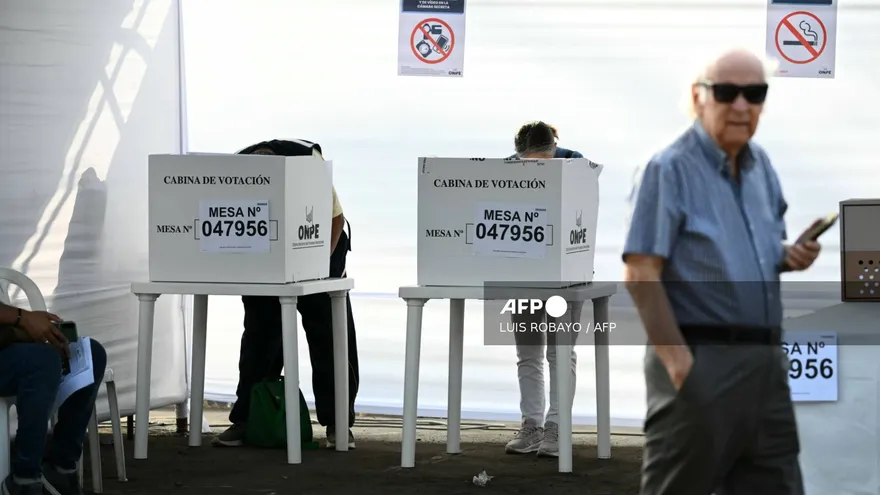
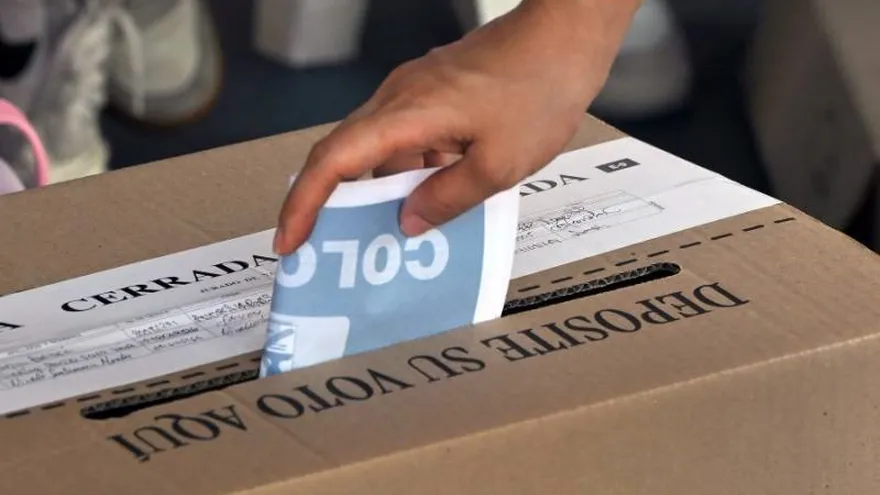
Colombia stands divided on the eve of its presidential runoff election, with the rise of the far-right generating unease in regions scarred by decades of armed conflict. Candidate Abelardo de la Espriella champions a campaign promise of an unprecedented military offensive against guerrilla groups and drug trafficking organizations, seeking support from the United States and Israel.
De la Espriella, an attorney inspired by the policies of Donald Trump and Nayib Bukele, proposes intensifying bombings against criminal organizations through presidential decrees, even vowing to sign 90 decrees within his first 16 hours in office. He also advocates for measures such as allowing civilians to carry arms and constructing mega-prisons. These proposals resonate with citizens weary of insecurity and disillusioned with the current administration's "total peace" strategy.
President Gustavo Petro's approach over the past four years focused on negotiations with armed groups to achieve demobilization. However, this process has yielded limited results, with analysts suggesting some organizations exploited the dialogues to strengthen their positions. De la Espriella rejects any future negotiations, stating that illegal groups will face only two options: "jail" or ending up "in a plastic bag."
the jail or end up in a plastic bag
His opponent in the second round is leftist senator Iván Cepeda, who supports continuing dialogue processes. Polls indicate a closely contested election. The candidate's security plan has drawn reactions from key figures in Colombia's peace process. Former President Juan Manuel Santos, a Nobel Peace Prize laureate for the 2016 FARC agreement, expressed support for those defending the peace process, even while criticizing Petro's strategy. Retired military officials acknowledge the deteriorating security situation but caution that an exclusively military response may not solve the underlying issues. Ex-Admiral Pablo Romero stated, "I do not believe a solution solely through armed confrontation is viable."
While De la Espriella garners significant support in urban centers, rural areas heavily impacted by the conflict express concern over a potential return to more militaristic strategies. Ex-Army Commander Ricardo Gómez believes it's necessary to analyze why recent dialogues failed, but emphasizes that any future government must combine confrontation and negotiation tools.
I do not believe a solution solely through armed confrontation is viable.
DistantNews Editorial
Originally published by TVN Panamá in Spanish. Translated, summarized, and contextualized by our editorial team with added local perspective. Read our editorial standards.
More Stories

From Our Blog

What Gets Lost (and Found) When News Is Translated

The Critical Role of Diaspora Media in Global News

What Travellers Should Know About Countries with Restricted Press

A Digital Nomad's Guide to Following Local News

How the Same Story Looks Different in Different Countries
