


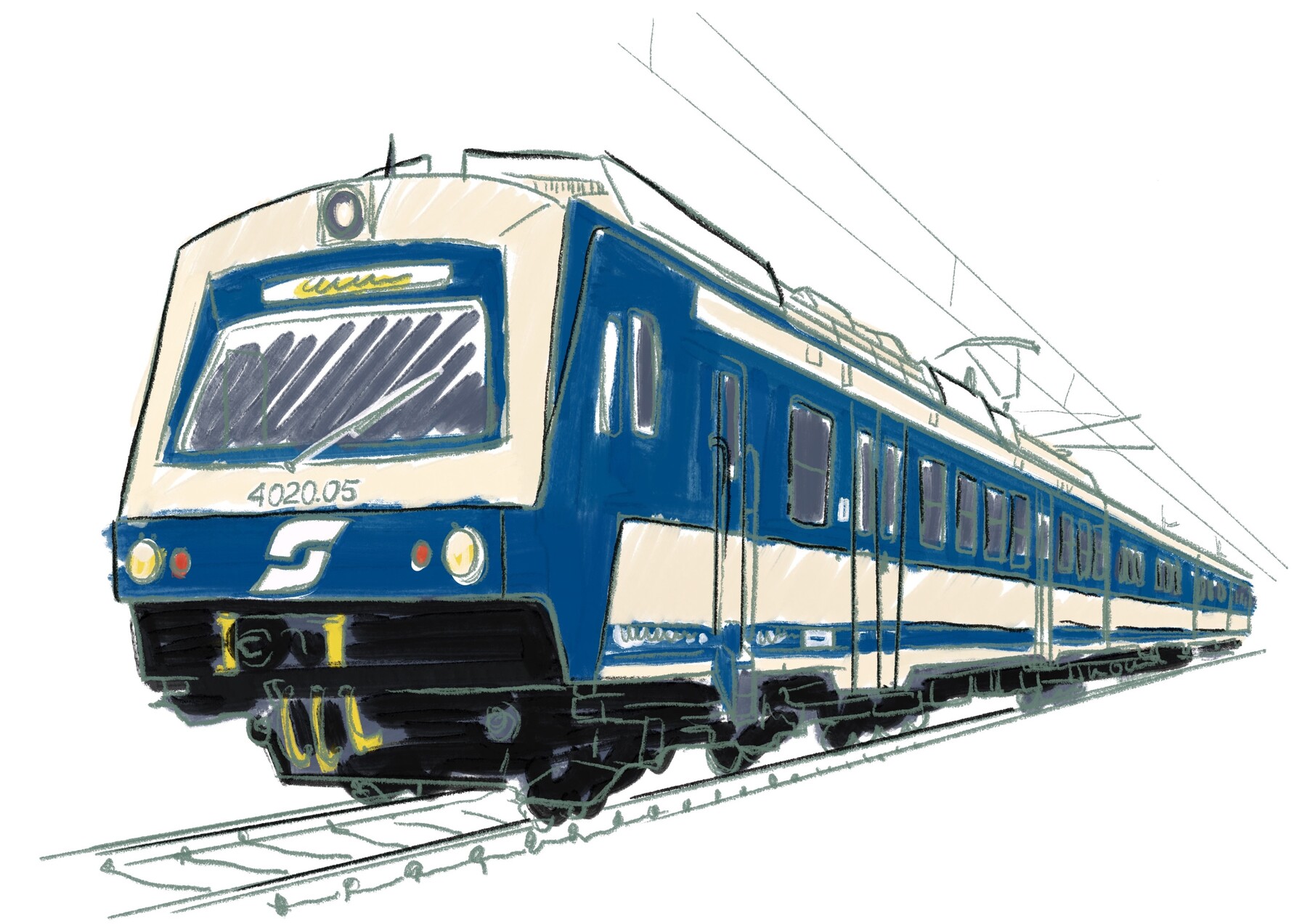
Farewell, 4020: A legend bows out
Translated from German, summarized and contextualized by DistantNews.
At a glance
In-depth
Sources not specified
Outcome reported
- Vienna's iconic 4020 train series, in service for nearly five decades, has been retired after a final farewell journey.
- Introduced in 1978, the 4020 series was once a symbol of innovation in local public transport but is now considered outdated.
- The trains lacked modern amenities like Wi-Fi and air conditioning, making way for newer models like the Cityjet and double-decker trains.
A legend bids farewell: Vienna's 4020 train series, a familiar sight on the city's S-Bahn lines for almost 50 years, has completed its final service. The trains, manufactured between 1978 and 1987, embarked on a nostalgic farewell journey from Heiligenstadt to Tulln, drawing crowds of enthusiasts eager to capture a piece of history.
Once hailed as an innovation for its smoother acceleration and quieter ride compared to older models, the 4020 series is now a relic of a bygone era. Passengers who once endured its cramped, hot interiors or drafty carriages now recall it with a mix of fondness and amusement. ÖBB CEO Andreas Matthä shared a personal anecdote, mentioning he met his wife on a 4020 train, but acknowledged the series' shortcomings in terms of modern comfort and accessibility.
The retirement marks the end of an era for the 120 units produced, each having traveled approximately 4.8 million kilometers. While they offered bright, clear interiors and comfortable seating for their time, they lack essential modern amenities such as Wi-Fi and power outlets. The absence of air conditioning also made summer travel a challenge, even with windows that could be opened.
Newer trains, including the Desiro-based Cityjet and modern double-decker trains, have become the backbone of Vienna's public transport, rendering the 4020 series obsolete. The official end of their scheduled service was July 3, concluding a chapter for a train that, despite its flaws, served as a reliable partner for generations of Viennese commuters.
DistantNews Editorial
Originally published by Die Presse in German. Translated, summarized, and contextualized by our editorial team with added local perspective. Read our editorial standards.
More Stories


From Our Blog

What Gets Lost (and Found) When News Is Translated

The Critical Role of Diaspora Media in Global News

What Travellers Should Know About Countries with Restricted Press

A Digital Nomad's Guide to Following Local News

How the Same Story Looks Different in Different Countries
