

Fashion wasn’t designed for people with special needs or disabilities – this designer wants to change that
Summarized and contextualized by DistantNews.
At a glance
In-depth
Sources not specified
Context piece
- Designer Elisa Lim created the OneTee, an adaptive T-shirt, by collaborating with 20 individuals with disabilities or special needs.
- The design incorporates features like a wide head opening, waist slits, and extra back fabric to accommodate physical limitations and seated positions.
- The project aims to change fashion, which is often not designed for people with disabilities, offering inclusive and functional clothing options.
Fashion is often not designed with inclusivity in mind, presenting daily obstacles for people with disabilities. Elisa Lim, founder of the adaptive fashion label Will and Well, is working to change this with her innovative designs.
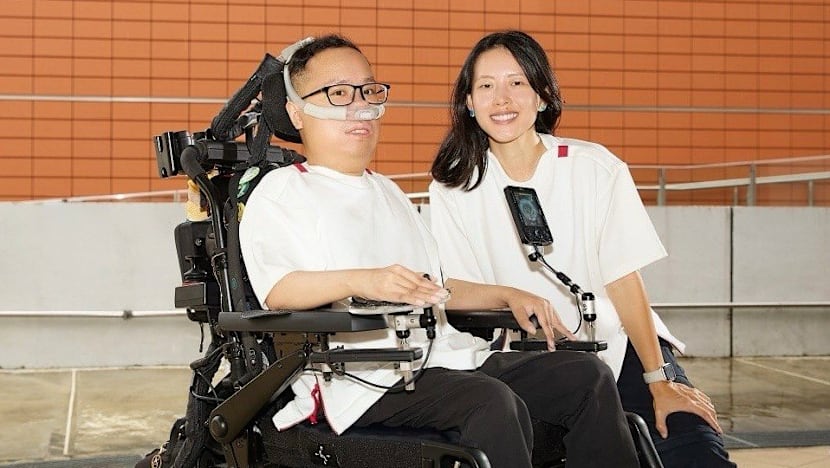
Lim's latest creation, the OneTee, is a T-shirt that took a year to develop. Its design is a culmination of the wish-list from 20 individuals with conditions such as visual impairment, muscular dystrophy, stroke, ADHD, and dwarfism. For many, even the simple act of wearing a T-shirt was a challenge.
The OneTee features a wide head opening for easier donning, even with medical equipment attached to the face. Waist slits prevent fabric bunching when seated in a wheelchair, and extra fabric at the back ensures full coverage while sitting. The words “Project OneTee” are embossed in braille for the visually impaired, and three pop-its are sewn in to help soothe anxiety.
Lim's inspiration stems from a doctor's request years ago to create clothing for elderly and bedridden patients. This led her to found Will and Well in 2017, offering ready-to-wear and custom designs. She recalls a daughter's concern about dressing her mother after hip surgery, which inspired Lim to design pants with two front zippers that open flat for easy dressing while lying down.
These adaptive pants have evolved into the brand's Adjustable Shorts, wearable while lying down or standing. Lim also creates dresses with front zippers, blouses with easy-to-use shoulder fastenings, and shirts with accessible closures. The project highlights the need for mainstream fashion to consider the diverse needs of all individuals, ensuring that clothing is both functional and empowering.
They are well aware of their timeline, so when they choose to be here, you know that it means something to them.
DistantNews Editorial
Originally published by CNA. Summarized and contextualized by our editorial team with added local perspective. Read our editorial standards.
More Stories
From Our Blog

What Gets Lost (and Found) When News Is Translated

The Critical Role of Diaspora Media in Global News

What Travellers Should Know About Countries with Restricted Press

A Digital Nomad's Guide to Following Local News

How the Same Story Looks Different in Different Countries
