

Fasting to 'starve' cancer tumors: Doctors point out patient misunderstandings
Translated from Vietnamese, summarized and contextualized by DistantNews.
At a glance
News
Named sources
Context piece
- Doctors warn that fasting does not shrink cancer tumors and can instead lead to severe malnutrition and death.
- Patients often mistakenly believe restrictive diets like only eating brown rice or following a Keto diet can cure cancer.
- Malnutrition affects 30-70% of cancer patients globally and significantly increases mortality risk.
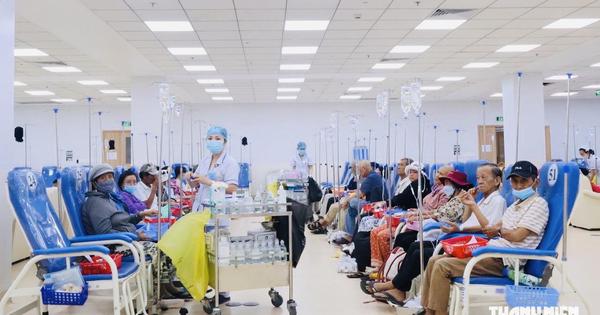
Doctors are strongly refuting the persistent belief among some cancer patients that fasting can starve tumors, emphasizing that such practices are not only ineffective but actively harmful. Dr. Luu Ngan Tam, head of Nutrition at Cho Ray Hospital in Ho Chi Minh City, stated that there is no scientific evidence supporting the idea that restrictive diets can treat cancer. Instead, these diets can lead to severe malnutrition, weakening the patient and potentially threatening their life while the tumor continues to grow.
Fasting cannot make cancer tumors shrink; on the contrary, it can make patients increasingly emaciated, even threatening their lives.
Patients often turn to extreme dietary measures, such as consuming only brown rice with sesame salt, drinking papaya leaf juice, or adhering to very low-carbohydrate, high-fat Keto diets. Dr. Tam clarified that no "miracle" food can cure cancer or replace standard treatments like surgery, chemotherapy, or radiation. She urged patients to disregard unsubstantiated claims found on social media and to strictly follow their prescribed medical regimens, ensuring adequate nutrition is maintained.
There is no scientific evidence that these methods can treat tumors. No 'miracle' food can cure cancer or replace specific treatments like surgery, chemotherapy, radiation therapy, and targeted therapy.
The medical expert explained that tumors cause inflammation and break down muscle tissue to obtain nutrients. Fasting forces the body to use its own muscle and fat reserves for energy, leading to cachexia, a state of severe ill health and weakness. This condition not only depletes the patient's strength but also impairs bodily functions and increases the risk of complications, making treatments like surgery more dangerous.
Patients must absolutely not believe methods advertised on social media that claim to cure cancer. This unsubstantiated information can easily mislead, be costly, and cause patients to miss treatment opportunities.
Dr. Tam cited a case where a patient with liver, gallbladder, and pancreatic cancer was admitted in a severely malnourished state after following a brown rice diet. The patient's weakened condition prevented immediate surgery due to high complication risks. Only after explaining that improved nutrition was essential for the surgery to proceed did the patient agree to receive oral nutritional supplements. Studies indicate that malnutrition affects 30% to 70% of cancer patients worldwide, and in Vietnam, this figure ranges from 40% to 85%. Malnourished patients face a 1.68 times higher risk of death compared to those with normal muscle mass, with approximately 20% of cancer deaths attributed to malnutrition rather than tumor progression.
Patients who lose muscle mass are about 1.68 times more likely to die than those with normal muscle mass. Notably, about 20% of cancer patients die from malnutrition before their tumor progresses.
DistantNews Editorial
Originally published by Thanh Niên in Vietnamese. Translated, summarized, and contextualized by our editorial team with added local perspective. Read our editorial standards.
More Stories

From Our Blog

What Gets Lost (and Found) When News Is Translated

The Critical Role of Diaspora Media in Global News

What Travellers Should Know About Countries with Restricted Press

A Digital Nomad's Guide to Following Local News

How the Same Story Looks Different in Different Countries
