


Fauci's Fifth Amendment invocation faces contempt vote test in Senate committee
Translated from English, summarized and contextualized by DistantNews.
At a glance
News
Named sources
Ongoing story
- Dr. Anthony Fauci's decision to invoke the Fifth Amendment before Congress faces a test as a Republican-led committee prepares to vote on holding him in contempt.
- The Senate Committee on Homeland Security and Governmental Affairs will meet Thursday to vote on the contempt finding, which could lead to an investigation into Fauci's constitutional right against self-incrimination.
- The case raises complex questions about Congress's ability to compel testimony from pardoned witnesses, with potential implications for future congressional investigations.
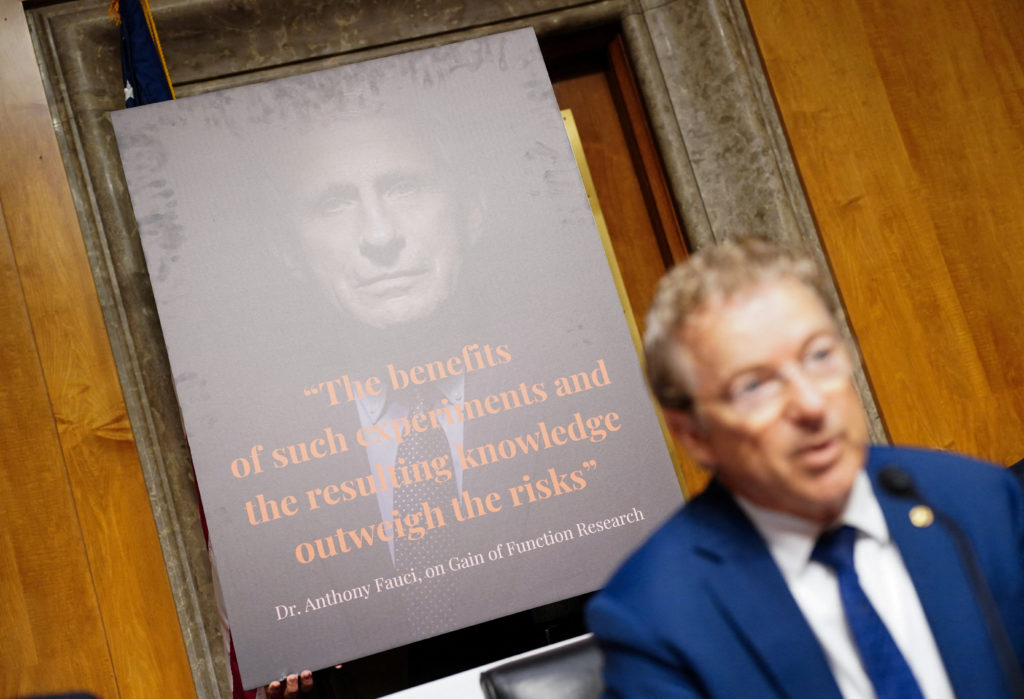
Dr. Anthony Fauci's invocation of the Fifth Amendment before Congress is set to be challenged this week. A Republican-led committee plans to vote on holding him in contempt and referring the matter to the Justice Department. The Senate Committee on Homeland Security and Governmental Affairs is scheduled to convene Thursday to consider the contempt finding.
A contempt resolution could trigger an investigation into whether Fauci possessed a valid constitutional right against self-incrimination when he declined to answer numerous questions during a recent hearing. The hearing focused on his management of the COVID-19 pandemic. Republican senators, including Rand Paul, argue that a pardon issued to Fauci early last year by President Joe Biden disqualifies him from Fifth Amendment protections. A Senate resolution released Tuesday states that Paul deems Fauci's claims of privilege "unsupported."
However, some legal experts suggest Fauci had legitimate grounds to invoke the Fifth Amendment. This is due to the potential for state prosecutions and questions surrounding the validity of Biden's pardons raised by the Trump administration. Any testimony from Fauci could also have led to investigations into false statements, similar to those the current Justice Department has pursued against perceived adversaries of the Republican president.
The outcome of this situation could have ramifications beyond Fauci, as it presents complex questions regarding Congress's authority to compel testimony from individuals who have received pardons. "This is an important case because I think a lot of people anticipate that President Trump is going to issue similar pardons to many people in his administration who will end up being called before Congress, and the precedent here is important," said Mark Osler, a law professor and expert on pardon powers.
Fauci, a long-time NIH scientist and former top infectious-disease expert, departed the federal government in 2022 after more than five decades of service. He was among several individuals considered adversaries of Trump who received pardons from Biden in one of the Democratic president's final actions in office. The clemency covered actions from 2014 up to January 2025, the date the pardon was issued. Republicans on the Senate committee contend that the pardon eliminated the risk of criminal prosecution, leaving Fauci without a valid basis to claim the Fifth Amendment.
This is an important case because I think a lot of people anticipate that President Trump is going to issue similar pardons to many people in his administration who will end up being called before Congress, and the precedent here is important.
DistantNews Editorial
Originally published by PBS NewsHour in English. Translated, summarized, and contextualized by our editorial team with added local perspective. Read our editorial standards.
More Stories


From Our Blog

How the Same Story Looks Different in Different Countries

What Gets Lost (and Found) When News Is Translated

The Critical Role of Diaspora Media in Global News

What Travellers Should Know About Countries with Restricted Press

A Digital Nomad's Guide to Following Local News
